

EU aluminium scrap surge sparks fears of packaging supply crunch
The European aluminium sector warns that rising scrap exports undermine recycling and threaten packaging manufacturers reliant on secondary aluminium.
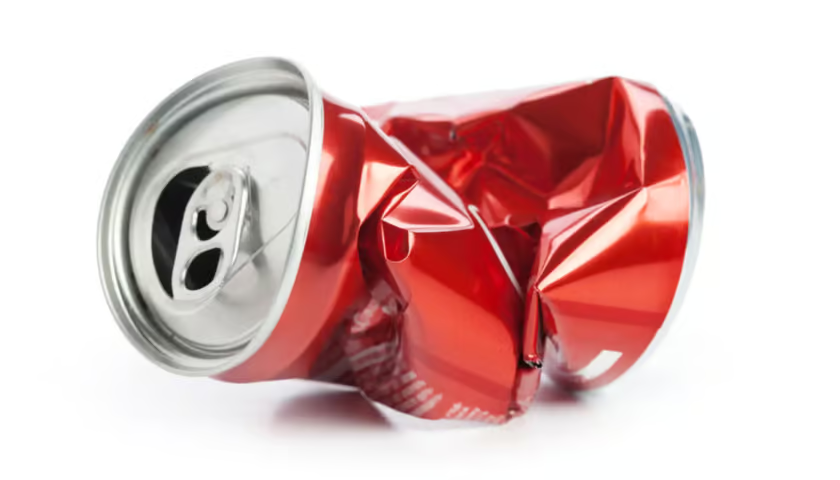
EUROPE – European aluminium producers have raised alarms over surging scrap exports, warning that they could disrupt recycling efforts and squeeze supplies for packaging manufacturers across the continent.
In a statement released this week, the industry group European Aluminium highlighted how these outflows are leaving domestic facilities underfed, even as the EU advances its Carbon Border Adjustment Mechanism to curb high-emission imports.
Recycled aluminium forms the backbone of much packaging production, prized for its light weight and ability to be reused endlessly.
Europe already sources about 40% of its aluminium, around 5 million tonnes annually, from recycled materials.
Over the last ten years, firms have poured roughly US$770 million into new furnaces, plant upgrades, and expansions, adding 1 million tonnes of yearly capacity.
Yet, 15% of this infrastructure sits unused, largely because scrap is shipped abroad instead of staying local.
The problem has intensified recently. Data from European Aluminium shows exports hit a record 1.26 million tonnes in 2024, up 50% from five years prior, with Asia absorbing the bulk.
“We cannot afford to lose this vital resource when our recyclers are ready to process it here,” said Christof Jasche, director general of European Aluminium.
He added that without intervention, manufacturers risk shortages that could drive up costs and force reliance on pricier imports.
The group has pressed the European Commission to impose a 30% tax on scrap exports, noting that recycling uses 95% less energy than mining new ore and cuts emissions dramatically.
Packaging firms, in turn, depend on steady recycled supplies to fulfill rules like the EU’s Packaging and Packaging Waste Regulation, updated earlier this year to push for reusable designs.
Disruptions could hike production expenses by 10-15%, industry sources estimate, complicating shifts to eco-friendly cans and foils.
Adding to the strain, U.S. tariffs of 50% on primary aluminium, but not scrap, have rerouted more European material overseas, as American smelters snap it up cheaply.
A report by the Commission earlier this year pointed to this “scrap leakage” as a growing threat to metal availability.
In response, the EU activated a customs surveillance system in July to track scrap flows for steel, aluminium, and copper.
Officials plan to review the data by late September and decide on further steps, such as targeted trade controls.
“This monitoring will help us spot patterns and ensure our industries get the feedstock they need,” a Commission spokesperson noted.
For now, the lack of export curbs leaves recyclers and packagers in limbo, watching global bids erode their edge in low-carbon goods.
Packaging leaders, including those at major beverage firms, say the uncertainty hampers long-term planning.
One executive from a leading container maker indicated privately that teams are scouting alternative alloys, though none match aluminium’s recyclability.
As exports climb, the push for domestic retention grows urgent, with stakeholders eyeing the Commission’s next moves to safeguard Europe’s circular ambitions.
Subscribe to our email newsletters that provide busy executives like you with the latest news insights and trends from Africa and the World. SUBSCRIBE HERE


Be the first to leave a comment