

Tetra Pak
-
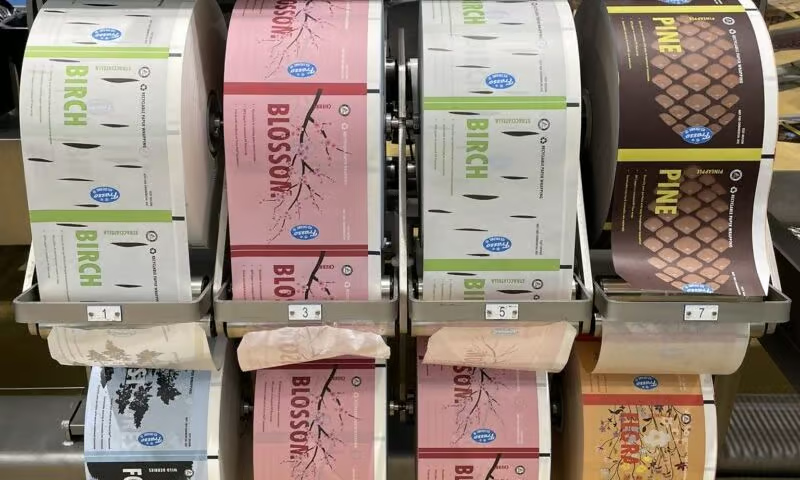
Tetra Pak commercialises paper-based ice-cream wrapping solution
With up to 85% FSC-certified and controlled-source paper, the material, per Tetra Pak, blends paper’s appearance with ice-cream-grade performance.
-
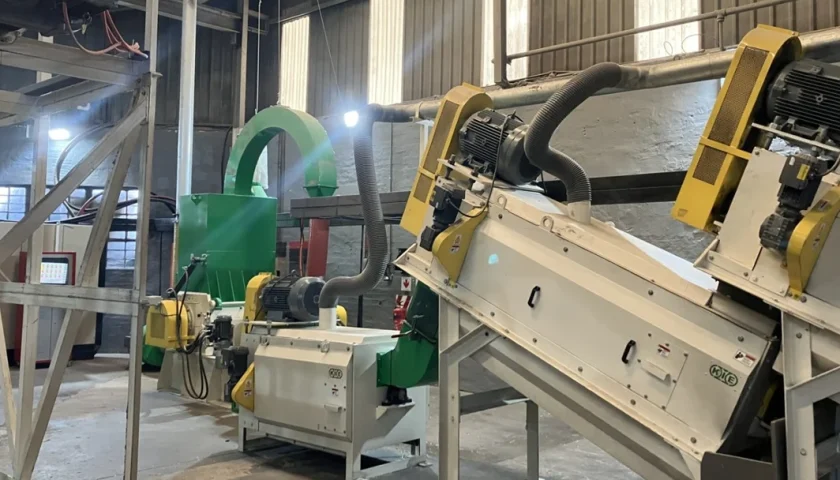
Tetra Pak invests US$1.18M in Johannesburg carton recycling machine
The machine—run by Unique Timber Plastics in Johannesburg’s Heriotdale industrial area, removes plastic and aluminium layers from used cartons, producing pellets reused as industrial inputs.
-
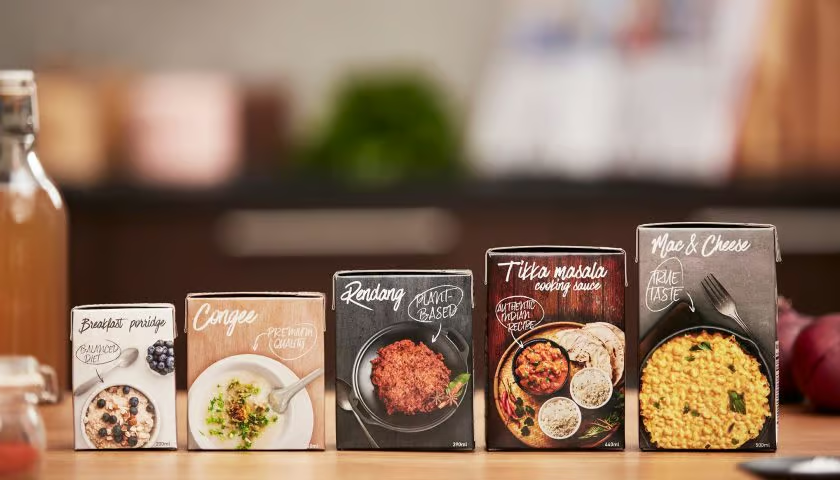
Tetra Pak, Shanghai Meilin extend Tetra Recart into Asian dessert soups
Safe and convenient for children and elderly users alike, the package opens in three easy steps, no sharp edges, by folding the sides up, lifting the tab, and tearing along the dotted line.
-

Tetra Pak appoints Michael Wu as Oceania MD to drive sustainability, food systems innovation
Wu’s new role heading Tetra Pak ANZ will focus on helping customers enhance food safety, reduce environmental footprint, and strengthen food systems through advanced packaging and processing technology.
-

Tetra Pak East Africa celebrates 70 years of dairy, packaging heritage in Nairobi
At Nairobi’s Serena Hotel, industry partners, government officials, and stakeholders gathered to celebrate the company’s 70-year presence in East Africa since its 1956 Nairobi launch.
-

Tetra Pak debuts paper-based tuna carton with 85% lower carbon footprint than steel cans
The compact carton shape allows packages to fit tightly together, improving shelf efficiency and enabling more product per metre.
-

Tetra Pak’s new 48oz shelf-stable carton adds tethered cap, FSC board for US, Canada premium dairy
The pack is fitted with the LightWing 30 tethered cap, a hinged closure that can be opened in one step, closed again after use and stays connected to the carton to help prevent litter.
-

Tetra Pak, Sterilgarda Alimenti launch 1L carton with paper-based barrier, cutting carbon footprint by 50%
The technology was later expanded to high-speed lines. Scaling to a 1 litre carton is significant because the dairy industry’s core volume format requires high-speed filling lines, reliable shelf life, and consistent seal integrity.
-

Tetra Pak equips Maeil Dairies with paper-based barrier cartons, first in Asia
The Tetra Pak® A3/Speed delivers high package outputs of up to 24,000 packages per hour.
-

Tetra Pak appoints Wael Khoury as Managing Director for Southern Africa
His appointment aims to signal a continued focus on driving innovation, sustainability and customer partnership.