
Innovations & New Products
-
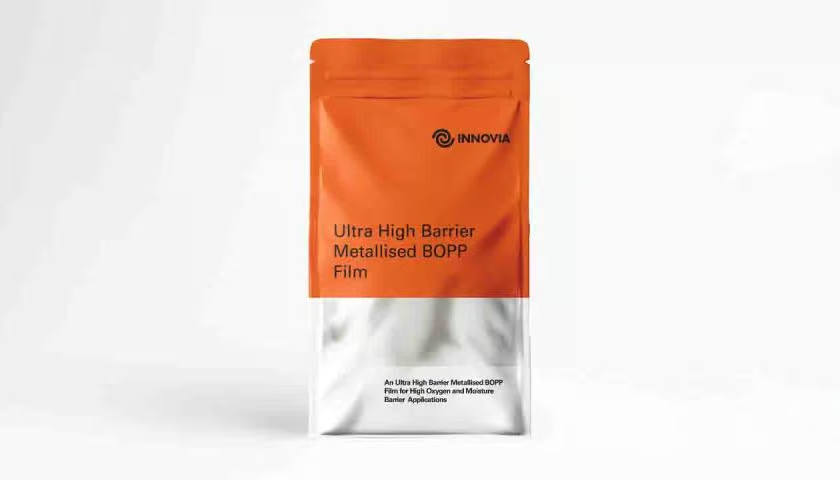
Innovia Films launches high-barrier BOPP film for recyclable packaging
Engineered for polypropylene laminates, the film supports recyclable mono-material packaging and guards against oxygen and moisture; applications span food packaging, stand-up and flat pouches, and other high-barrier formats protecting freshness, aroma, and product quality.
-
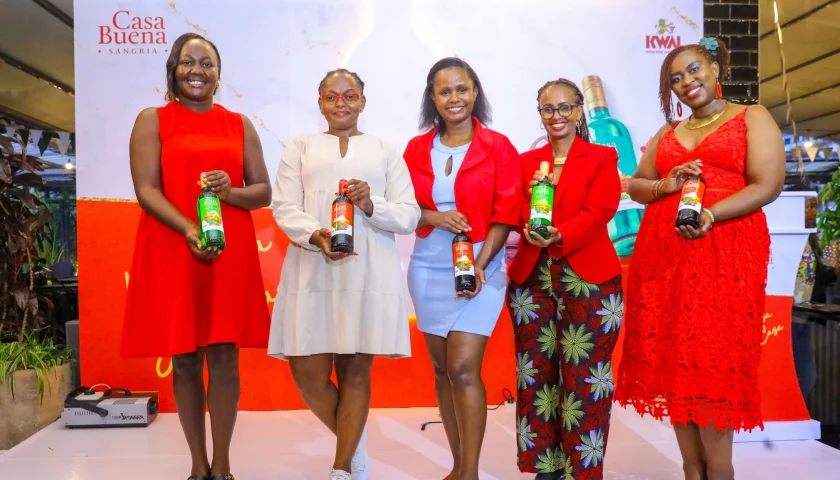
Kenya Wine Agencies Limited moves Casa Buena Sangria to glass bottles
The packaging change reflects a broader shift among East African beverage producers toward premium formats, as competition intensifies across wine, spirits, and ready-to-drink categories.
-
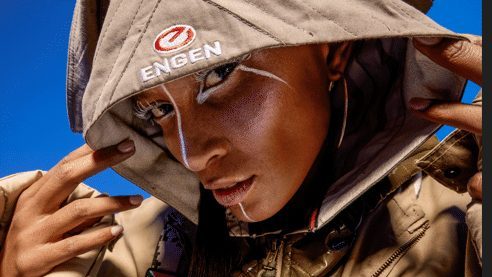
Engen Xtreme turns lubricant packaging waste into fashion collection
The initiative is part of Engen Xtreme’s Beyond Oil platform, which explores recycling and opportunities to create value beyond the brand’s core products.
-
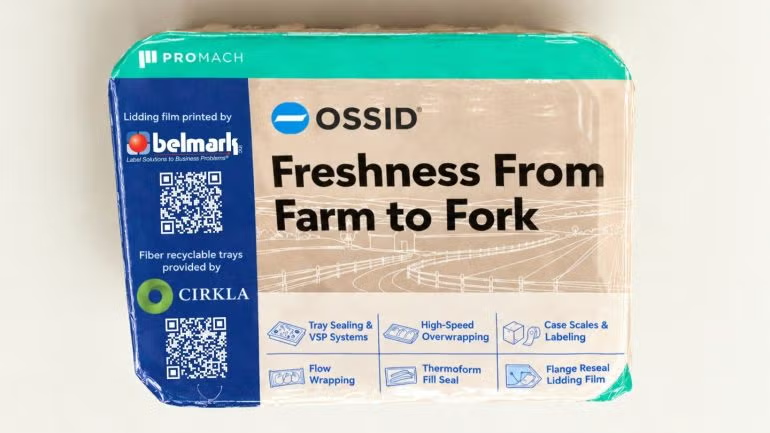
Cirkla, Belmark, Ossid launch resealable fibre food trays
Resealable fibre trays fill a food-sector gap, prepared meals and fresh produce need protective, resealable packs that cut plastic per retailer demands, if supply volumes and seal reliability hold at scale.
-
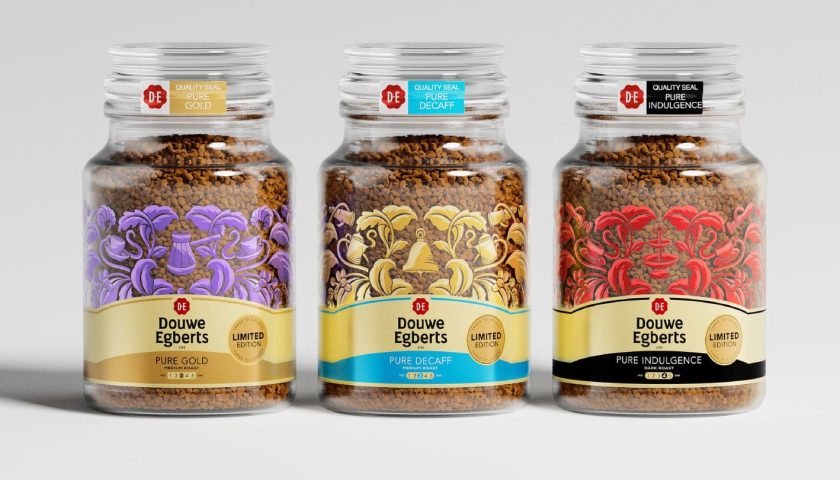
Douwe Egberts links coffee jars to local stories through QR codes
By connecting packaging to digital storytelling, QR codes drive consumer engagement beyond purchase, giving FMCG brands another differentiation tool in a crowded category.
-
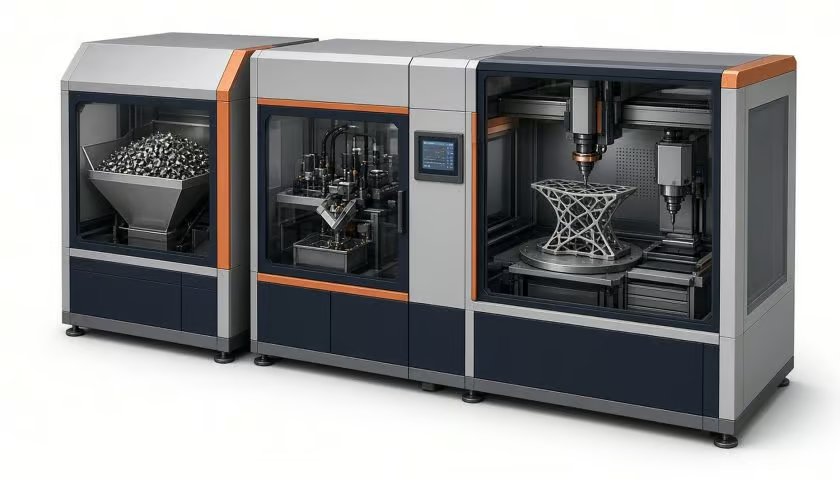
FeniyX patents hybrid 3D printing process using recycled metal scrap
By blending coarse-grained recycled material with fine metal powder, the process reduces reliance on costly additive-manufacturing powders; conventional aerospace component machining, meanwhile, leads to substantial material loss.
-

APC targets freight waste with collapsible cuboid pouch
Per APC, the format cuts raw material use and associated carbon emissions versus rigid alternatives.
-

Kneipp chooses Sonoco GreenCan for limited-edition bath crystals
The collaboration demonstrates that moisture exposure can be managed through container architecture and material selection without reverting to plastic, as long as the barrier strategy is designed alongside the format.
-

Kawasaki Robotics to launch CP110L palletising robot in Chicago
Adding a 110kg payload option to Kawasaki’s CP Series, now covering 110–700kg, the four-axis CP110L reaches 2,505mm and handles up to 2,200 cases/hour under specified conditions.
-
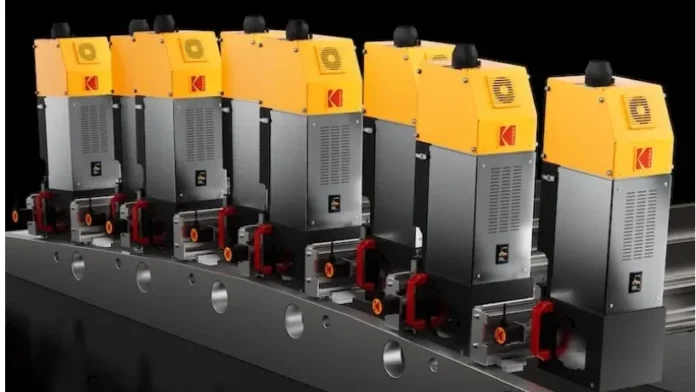
Kodak expands portfolio with PROSPER Plus 5 imprinting system
PROSPER Plus 5 for printers/converters: variable data, coding, serialisation, personalisation, versioning, no equipment swap; higher margins, faster response, new revenue.