

Pharma, Cosmetics & Personal Care
-
Saudi Arabia bans syringe-style cosmetic packaging from 2027 with new labelling rules for ampoules, vials
Manufacturers, importers, and other entities have until 31 December 2026 to withdraw affected products or modify them to meet the new requirements.
-

Milly Glass announces Africa’s first dedicated pharma glass plant in Kenya’s Dongo Kundu SEZ
Locally made glass packaging will also allow Kenya to recycle its own glass waste, historically exported as scrap, supporting a more circular economy.
-
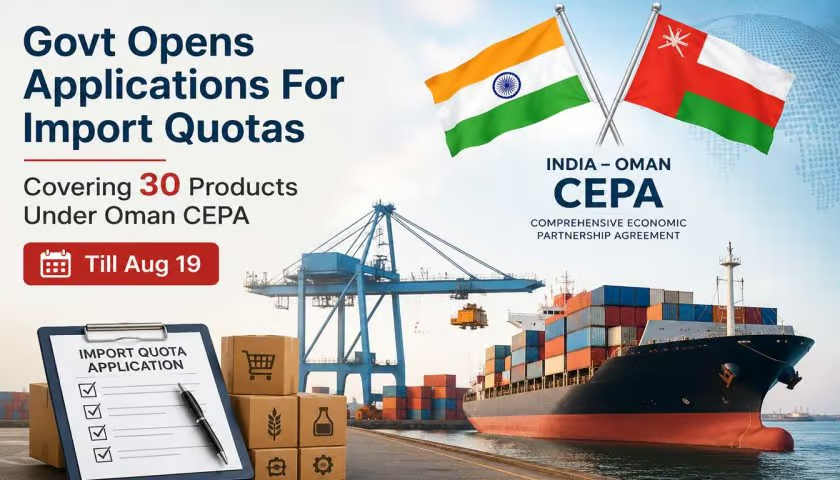
India opens duty-free and cut-rate import quotas for medical-grade polymers under Oman CEPA
The TRQ framework cuts or phases out tariffs on set import volumes, letting domestic manufacturers source key raw materials at lower or zero duty.
-
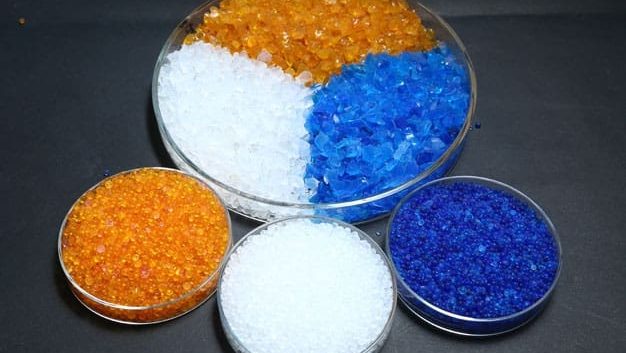
Bee Chems’ advanced silica gel packaging protects pharmaceuticals, electronics from moisture in Indian manufacturing
Silica gel, a highly porous silicon dioxide with vast internal surface area, attracts and retains water vapor without altering its structure, making it a trusted desiccant for industrial and commercial use.
-
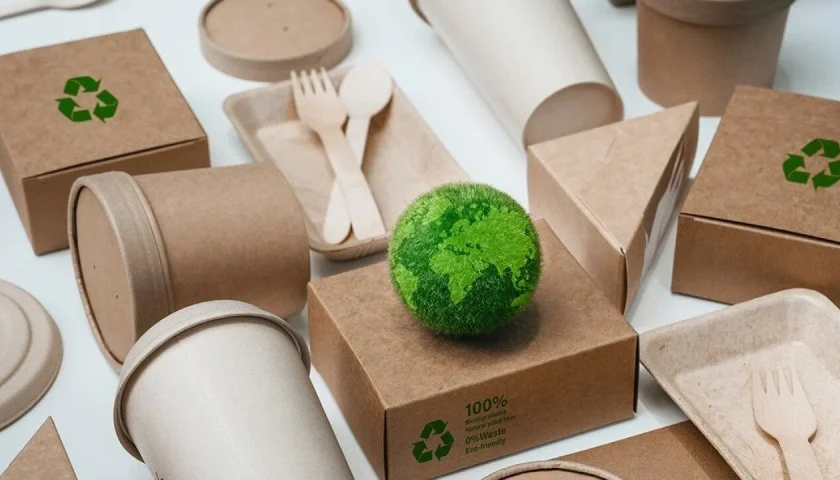
July 2026: Mandates, Mergers and Millions Reshape MEA Packaging, The Month Sustainability Got Real
Across the Middle East and Africa, the packaging industry moved from ambition to action with a velocity that caught even seasoned observers off guard, policy…
-
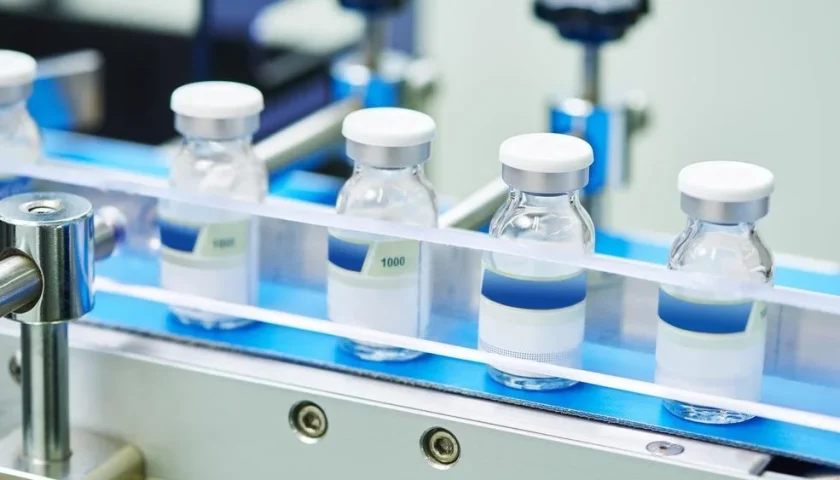
The Glass Comeback: How Plastic Bans and Premiumisation Are Reviving an Ancient Material Across the MEA Region
The MEA glass bottles market is set to grow from 4.98 million tonnes in 2025 to 6.30 million tonnes by 2030, driven by plastic substitution…
-

Gerresheimer’s US$1.7B divestment sharpens focus on injectable drug packaging
The funds generated from the sale will serve to “substantially improve” Gerresheimer’s capital and financing structure by lowering its leverage.
-
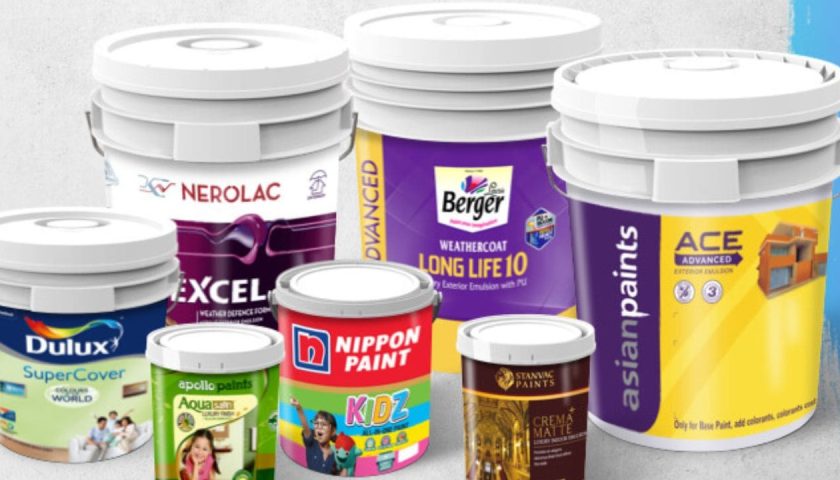
Mold-Tek Packaging’s Q12027 profit rises to US$3M as pharma, food segments drive record EBITDA
Despite heightened geopolitical uncertainties, the company experienced no material impact on its operations, supply chain, or financial performance, with higher input costs being effectively passed on to customers.
-

Milly Glass SEZ’s 300,000-bottle daily plant targets Kenya’s monthly drug packaging imports
The glass packaging produced at the factory is fully recyclable, reducing the environmental impact of pharmaceutical packaging waste while supporting Kenya’s circular economy objectives.
-
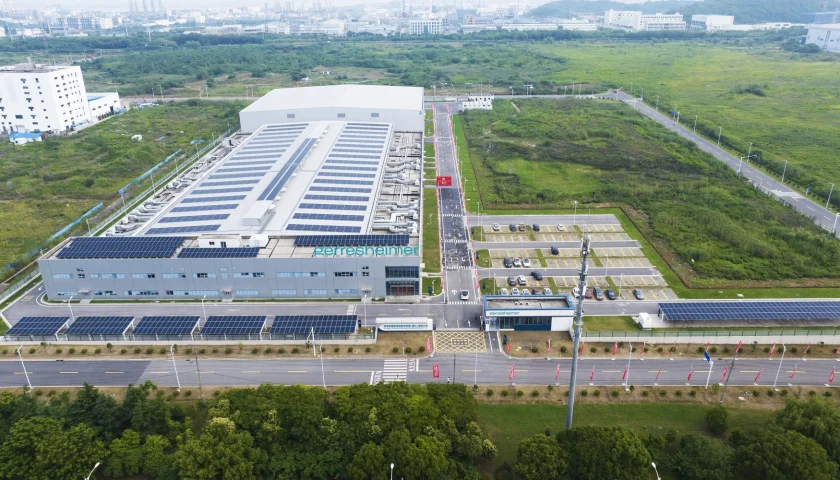
Gerresheimer doubles China pharmaceutical glass packaging capacity with new Zhenjiang plant
The plant manufactures glass vials and ampoules in multiple sizes and formats, in line with China’s Good Manufacturing Practices for pharmaceutical packaging.