

LATEST NEWS
-
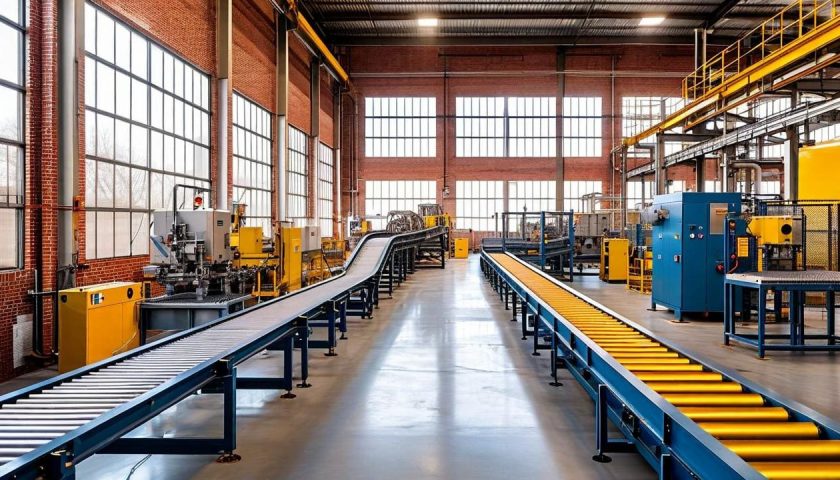
Vaxfab establishes UAE subsidiary Al Rafa for seeds, packaging, plastic raw materials trading
The subsidiary is set to engage directly in cross-border trade, leveraging the UAE’s strategic position as a gateway between Asia, Africa, and Europe.
-
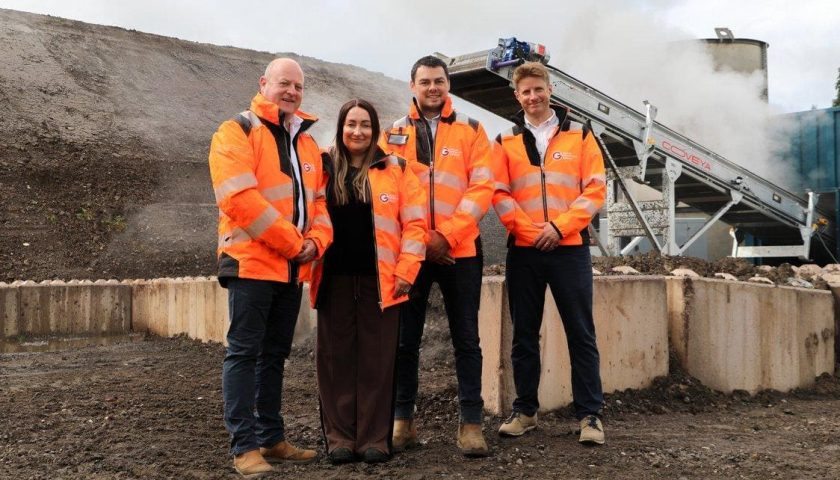
Morocco’s US$1.5B Casablanca WtE plant to process 1.5MT of waste
The city needs regulations mandating separation of reusables before incineration, to keep recycling from being undermined when operators rely on waste volume to run plants.
-
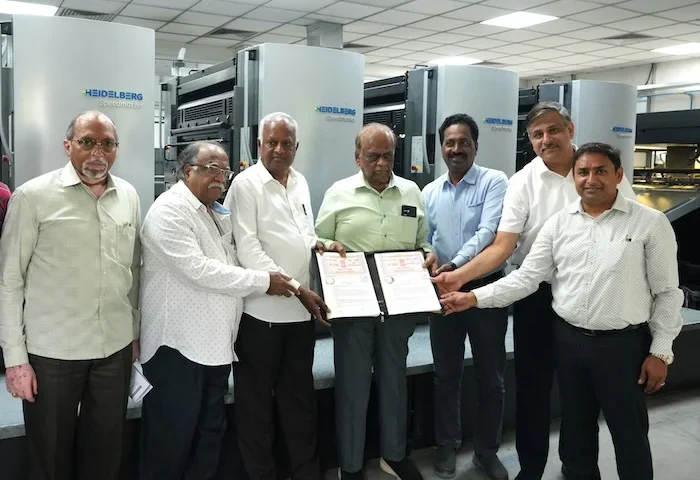
Heidelberg, Printech Park open Bengaluru’s first integrated offset printing, workflow, training hub
As India’s print and packaging sector expands, fueled by FMCG, pharma, and e-commerce, the need for technology and skilled talent has grown increasingly critical.
-
Fujifilm considers spin-off of 35% Revenue Business Innovation unit with dimatix inkjet, plate assets
The move aims to give the Business Innovation unit a more agile framework for executing strategy, while freeing Fujifilm to redirect resources to higher-growth areas.
-
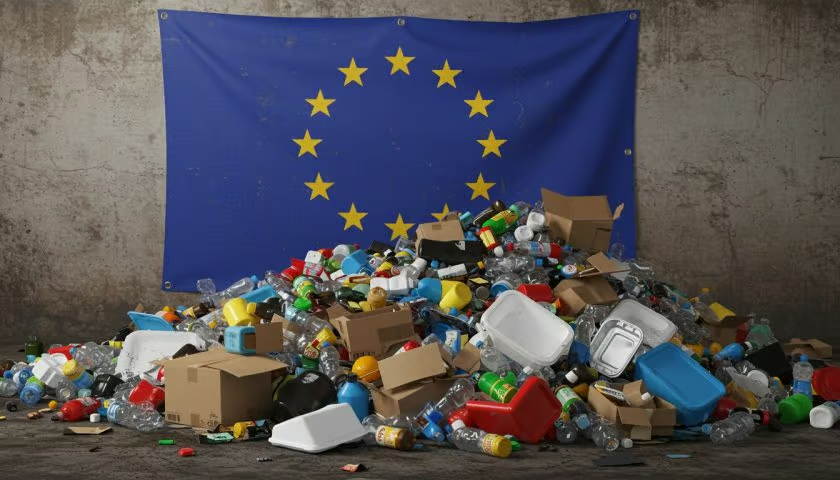
EU new packaging, recycling rules target 15% waste cut by 2040 with PFAS bans, labelling overhaul
PFAS limits and traceability are now in force, while broader measures, including new waste-sorting labels and deposit-return schemes, will roll out by 2030.
-
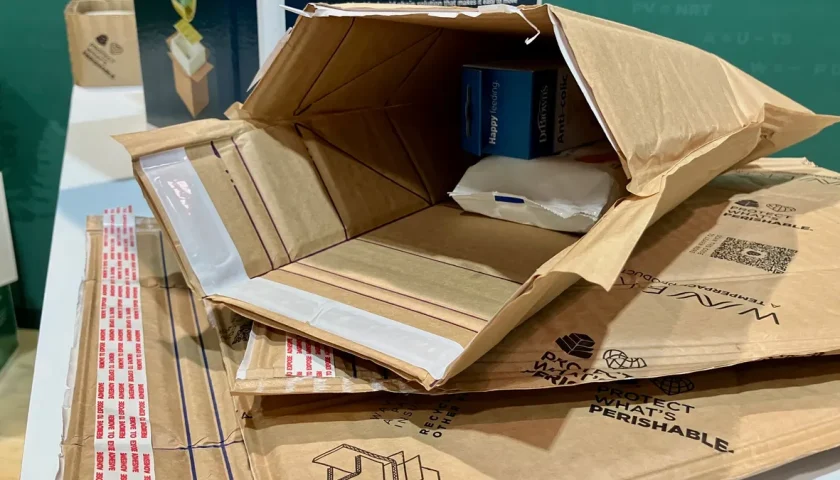
AICC slams 63% market dominance as three containerboard packaging hikes in five months hit
Skeptical of those explanations in containerboard, the association argues the moves may signal “a small group of producers having market dominance.”
-
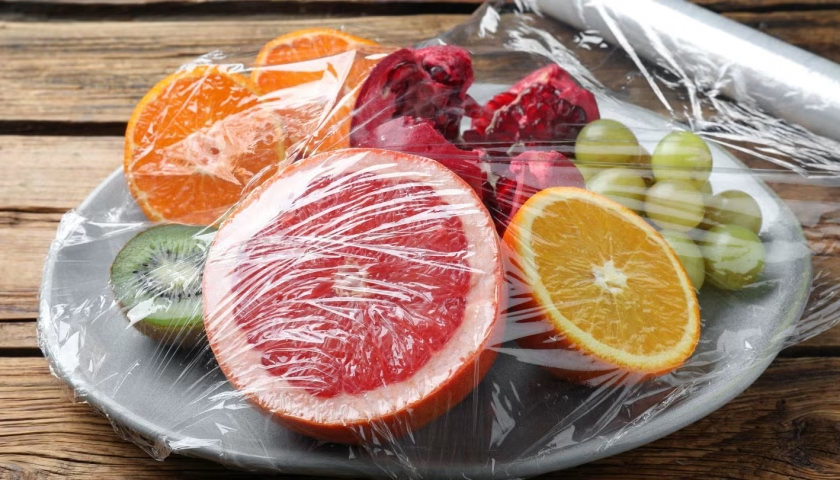
Kyushu University’s self-healing packaging film detects spoilage with colour-changing anthocyanin
The film detects spoilage through sealed packaging using natural pigments from purple sweet potato and red cabbage, addressing a key shortfall in standard food packaging.
-

Saudi Arabia bans syringe-style cosmetic packaging from 2027 with new labelling rules for ampoules, vials
Manufacturers, importers, and other entities have until 31 December 2026 to withdraw affected products or modify them to meet the new requirements.
-
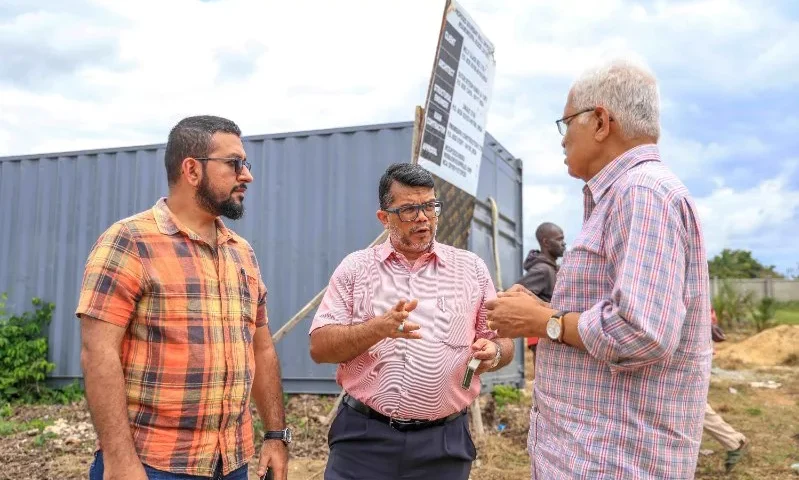
Milly Glass announces Africa’s first dedicated pharma glass plant in Kenya’s Dongo Kundu SEZ
Locally made glass packaging will also allow Kenya to recycle its own glass waste, historically exported as scrap, supporting a more circular economy.
-
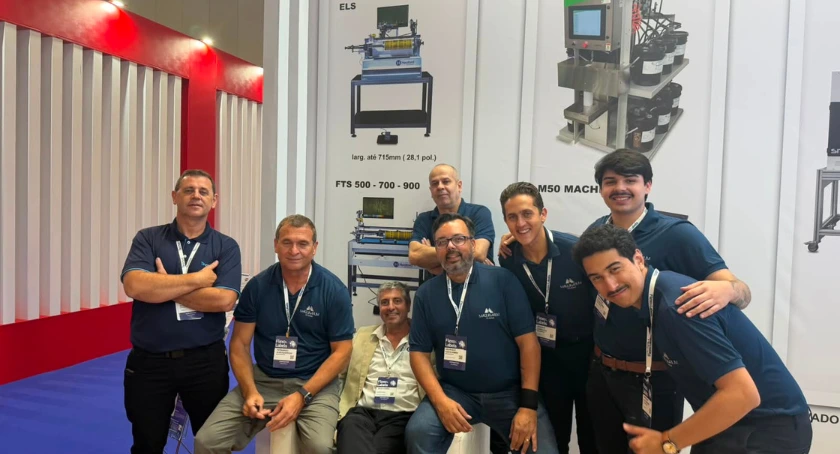
Dantex appoints Keyway as AquaFlex distributor for India’s growing flexo packaging market
AquaFlex water-washable plates use a proprietary compound that delivers linear screen reproduction with near-zero dot growth, reducing bump-up needs and ensuring consistent print quality throughout the run.