

UK exempts hospitality glass from packaging EPR fees from April 2027
The announcement responds to criticism that some hospitality businesses effectively pay twice for packaging waste management, since many already pay commercial waste contractors.
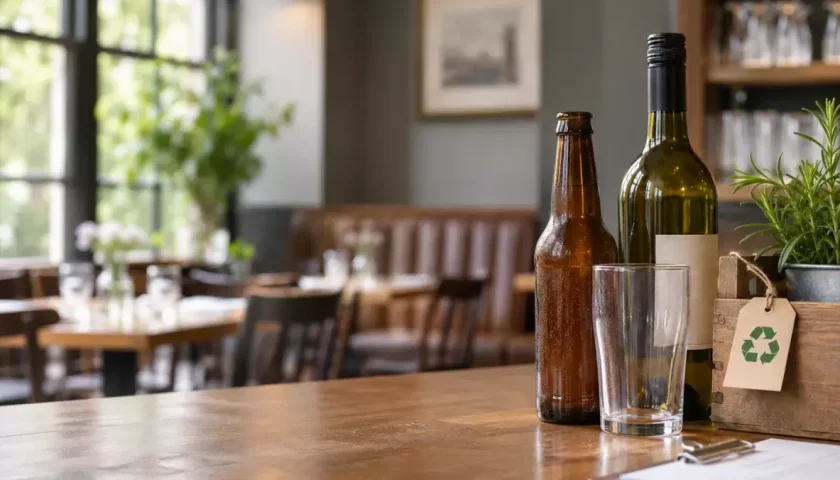
UK – The UK Government has announced reforms to its packaging Extended Producer Responsibility scheme in November 2026, exempting glass drinks containers supplied directly to pubs and restaurants from EPR fees starting April 2027.
The Government estimates the exemption could save businesses up to 6p per beer bottle and 10p per wine bottle.
A pub selling 10,000 beer bottles and 3,700 wine bottles annually could save up to £870 (US$1,110).
The announcement follows criticism that some hospitality businesses effectively pay twice for packaging waste management, as many already pay commercial waste contractors while EPR charges create an additional obligation.
Environment Secretary Dame Angela Eagle said the Government had listened to industry concerns and was taking action to make the system fairer.
Fee Review Targets Material Recyclability
Alongside the hospitality exemption, the Government plans to review how EPR fees reflect the recyclability of different packaging materials.
Under the proposed approach, packaging easier to recycle, including glass and paper, could attract lower fees, while harder-to-recycle materials including certain plastics could face higher charges.
The Government estimates changes could reduce annual fees for the most recyclable packaging by up to 40 percent, though these reductions are not yet confirmed.
PackUK, which administers the scheme, is expected to launch a call for evidence in early 2027.
Industry Groups Welcome Partial Relief
The British Soft Drinks Association welcomed the direct-supply exemption as a significant first step, with Director General Andy Bagnall calling for a solution covering drinks containers supplied through wholesalers and other intermediaries.
The British Beer and Pub Association estimated the changes could reduce cost pressures on British brewers by tens of millions of pounds, though chief executive Emma McClarkin warned that leased and tenanted pubs must also benefit, highlighting approximately 12,000 publicans operating such premises.
Social Enterprises Face Unaddressed Cost Burden
Belu, a water company directing profits to WaterAid, estimates it faces £1.1 million (US$1.4 million) in EPR-related costs over two years.
Chief executive Charlotte Harrington said the changes would not reverse costs already incurred and highlighted an inconsistency in exempting charities from EPR fees while imposing costs on social enterprises.
The scheme has already provided £1.4 billion (US$1.79 billion) to local councils, according to the Department for Environment, Food and Rural Affairs.
Subscribe to our email newsletters that provide busy executives like you with the latest news insights and trends from Africa and the World. SUBSCRIBE HERE


Be the first to leave a comment