

Sustainable Packaging
-

Aeroflex Neu acquires 51% stake in Stilonn to expand packaging arm
How Stilonn integrates into the flexible packaging segment will be a key area to watch, with the group aiming to bolster its standing in a competitive packaging market.
-

Ghana EPA rules out extension as January 2027 styrofoam ban nears
The ban stops all import, manufacture, distribution, sale, and use of styrofoam containers, clearing the material from the domestic supply chain to tackle drainage blockages, flooding, and pollution.
-
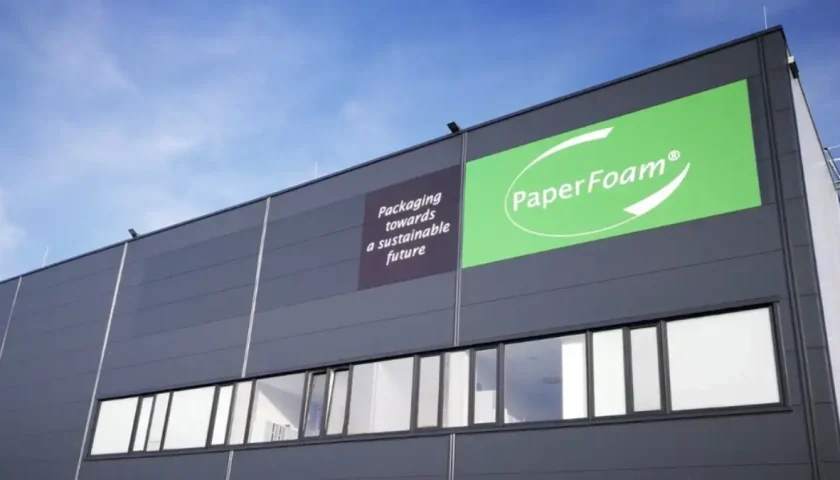
PaperFoam secures US$2.35M loan to expand packaging manufacturing
The project depends on domestic processing equipment, with Dutch suppliers Kuyer Metaal of Nijkerk and Shuffle-Mix of Barneveld supplying the needed manufacturing machinery.
-
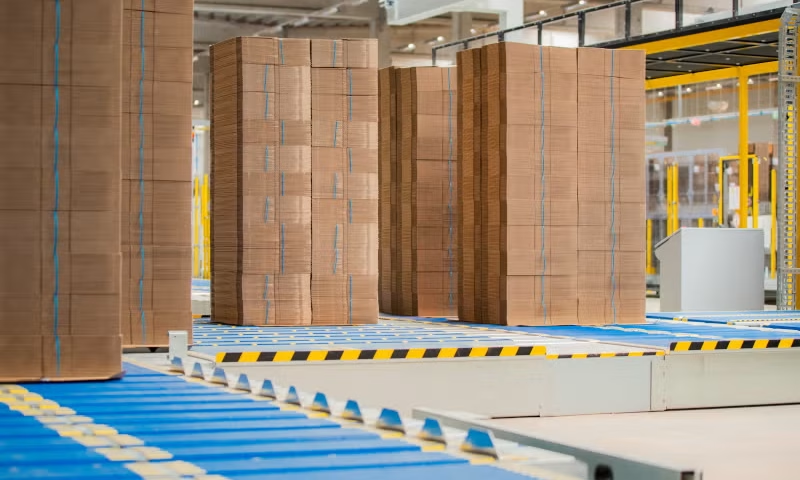
Stora Enso lifts Q32026 adjusted EBIT 28% to US$189M
The company will centralise Finnish corrugated packaging production at Lahti and close its Kristiinankaupunki site.
-

Asteria Group acquires UK label manufacturer Abbey Labels
The move supports Asteria Group’s ambition to establish itself as a sustainability leader in Europe’s label and packaging sector by 2030.
-

Mold-Tek Packaging Q2 EBITDA rises 29% to US$5.34M
That profit growth and margin stability diverge suggests substantially higher operating earnings in absolute terms, notwithstanding a slight dilution in the profitability percentage.
-

UFlex commissions two Heidelberg Boardmaster presses at Egypt facility
The Egypt facility will produce aseptic packaging for the global market, backing export-oriented manufacturing from its site near the Suez Canal.
-

United Caps expands carton closure portfolio for flexible sourcing
Tethered closures meet EU PPWR rules requiring plastic caps and lids to stay attached to beverage containers during use, cutting litter from detached parts.
-
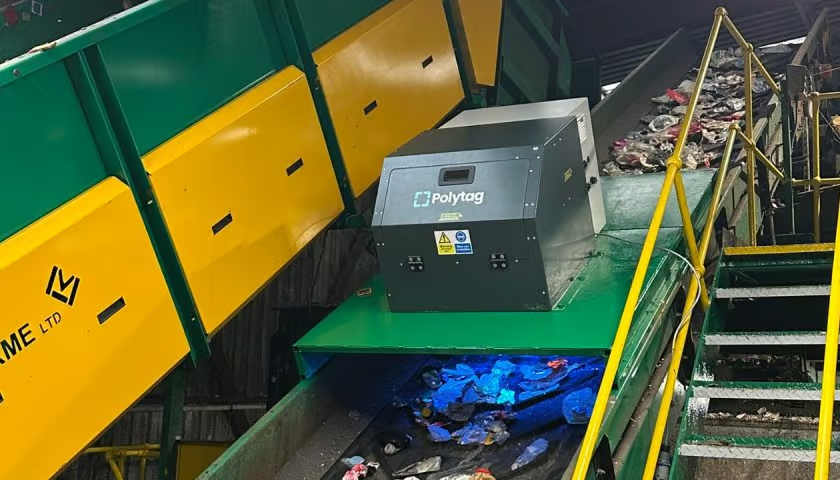
Polytag expands UV packaging tracking network into Scotland
With UV-tagged packaging, brands get targeted visibility into product recovery in Scotland, a market with distinct collection infrastructure and regulatory frameworks compared with England.
-
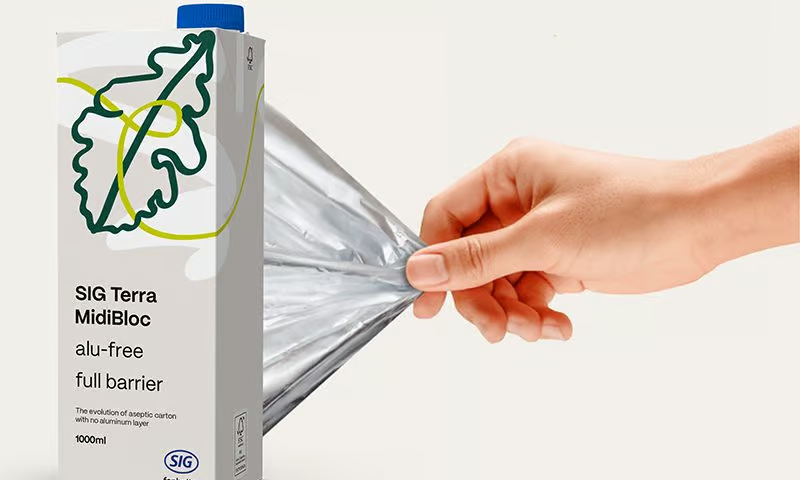
SIG, LSDH introduce aluminium-free cartons in France
SIG aims to swap traditional aseptic carton foil for an ultra-thin polymer-based barrier that protects oxygen-sensitive drinks like juices, plant-based beverages, and creams.