

Economy & Financial Results
-
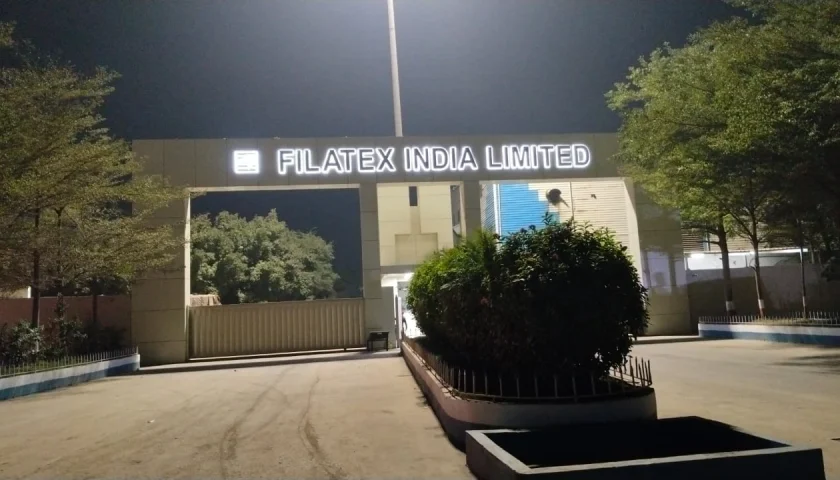
Filatex India posts US137.5M Q2 revenue, funds recycling expansion
Designed for 26,750 tonnes per annum, the ₹300 crore (US$31.6M) Ecosis recycling project is in the final stage of execution, with commissioning expected in Q3FY27.
-
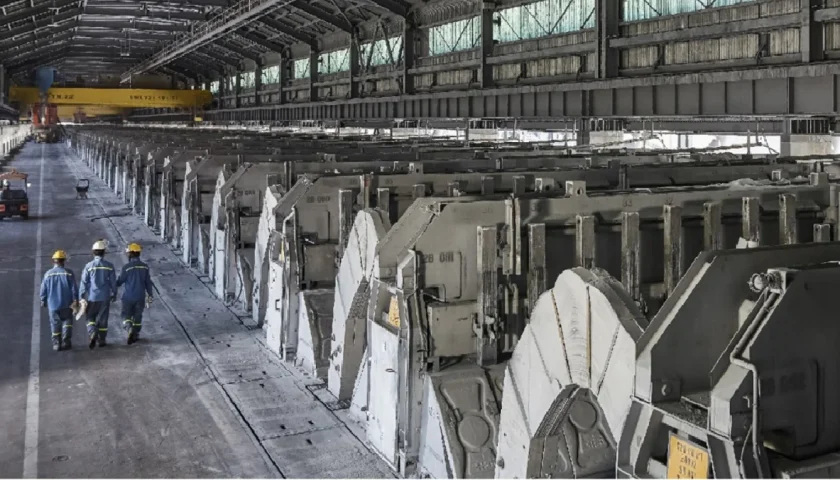
EGA restores 61% of smelter cells after Al Taweelah shutdown
The disruption sharply reduced output and sales, with cast metal falling to 1.376 million tonnes from 2.126 million and total aluminium sales down to 1.327 million tonnes from 2.083 million year-on-year.
-
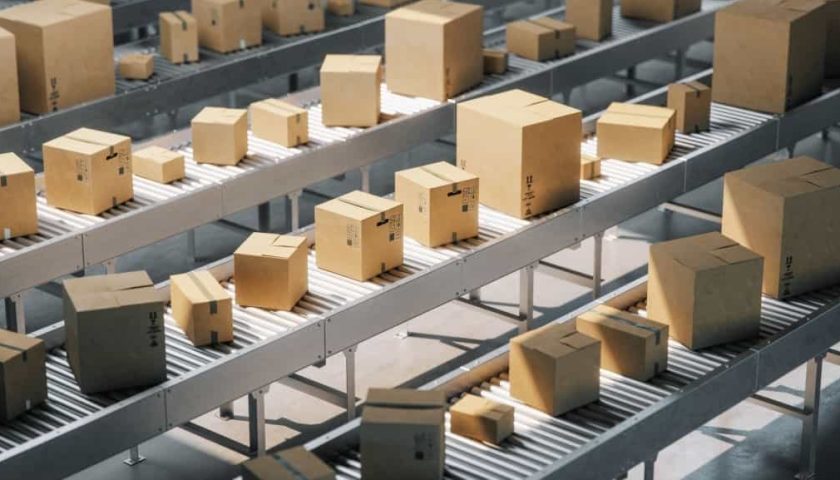
Future Market Insights forecasts MENA industrial packaging hitting US$11.4B by 2036
Tied to national diversification strategies across the Gulf and North Africa, this growth comes as petrochemicals, food processing, and pharmaceuticals expand, raising the need for specialised packaging.
-
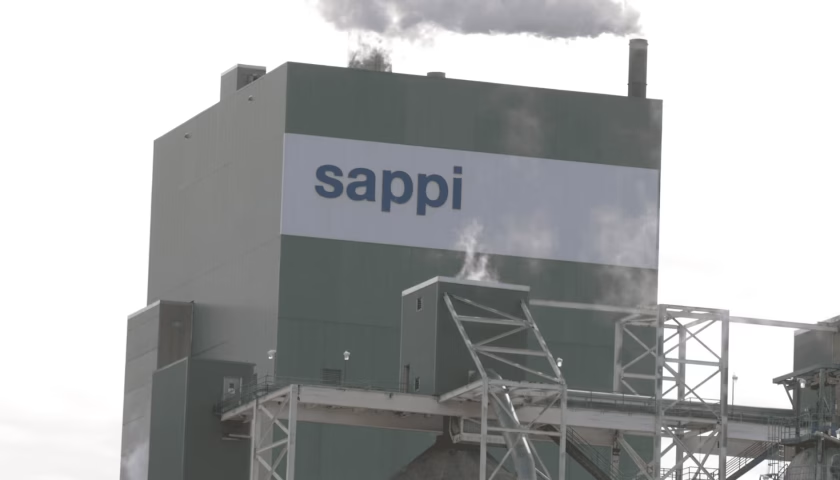
Sappi reports US$743.7M loss exceeding its own market value
The loss prompts questions over the sustainability of domestic paper production capacity and the sector’s ability to sustain supply reliability absent further consolidation or external investment.
-
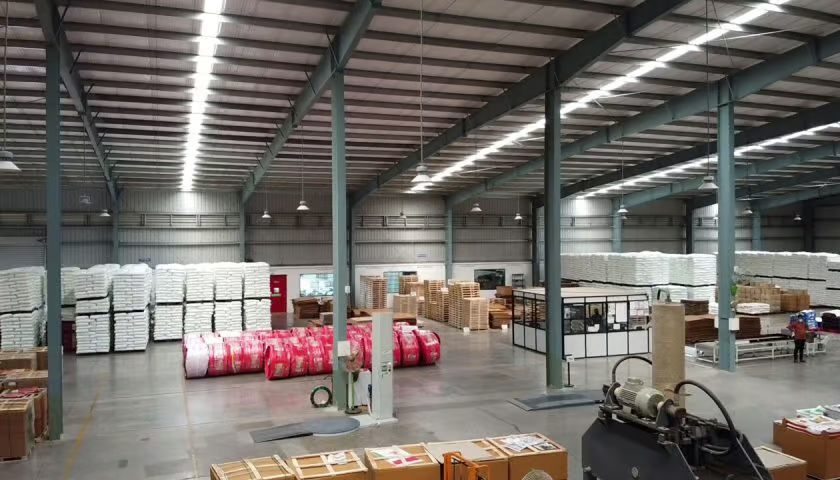
Knack Packaging posts 52.52% revenue surge in Q2FY27
The investor presentation flagged a major new order and contract renewal from an international customer, one of the world’s largest private animal nutrition corporations.
-
Varun Beverages posts US$696.8M revenue as packaging costs cut margins
Indian non-beverage sales (preforms and caps) rose about 104% in the quarter, with their higher cost impacting India gross margin by roughly 100 bps.
-

Graphic Packaging reports US$22M Q3 net income, down 84.5%
According to president and CEO Robbert Rietbroek, Graphic Packaging showed progress on near-term strategic priorities in the third quarter, fueling year-over-year revenue and volume gains.
-
DIC India posts US$28.9M Q2 revenue on packaging ink demand
DIC India’s Q2 sets a constructive operational baseline, but the company must manage input cost volatility and competition from imported inks and domestic makers to sustain growth for the rest of the year.
-
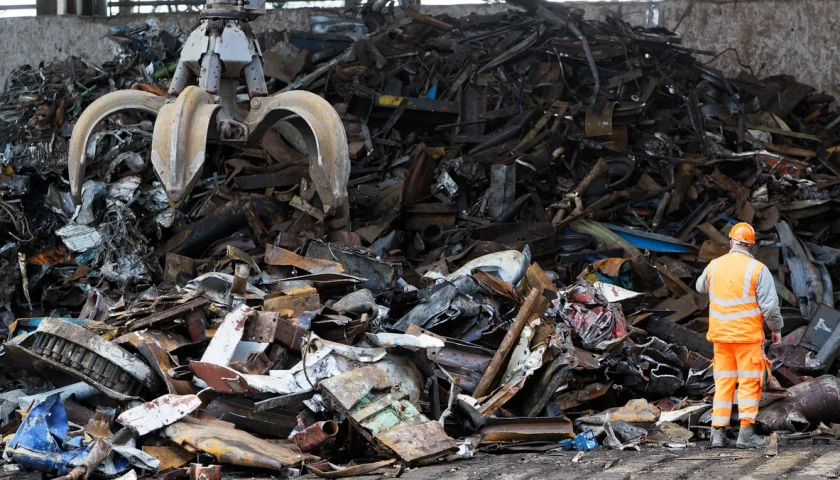
BIR report confirms Türkiye’s dominance in global scrap steel trade
BIR data shows Türkiye’s recycled steel consumption rose 4.8% during the period, while crude steel production increased 8.1%.
-
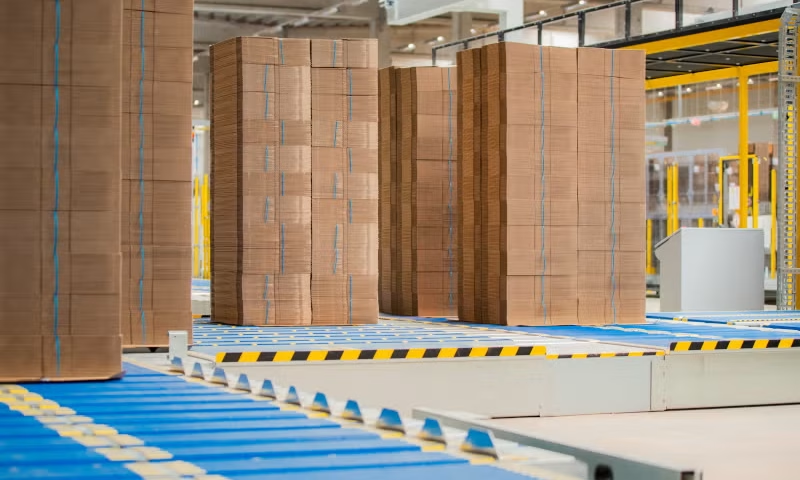
Stora Enso lifts Q32026 adjusted EBIT 28% to US$189M
The company will centralise Finnish corrugated packaging production at Lahti and close its Kristiinankaupunki site.