

Reports, Research & Trends
-
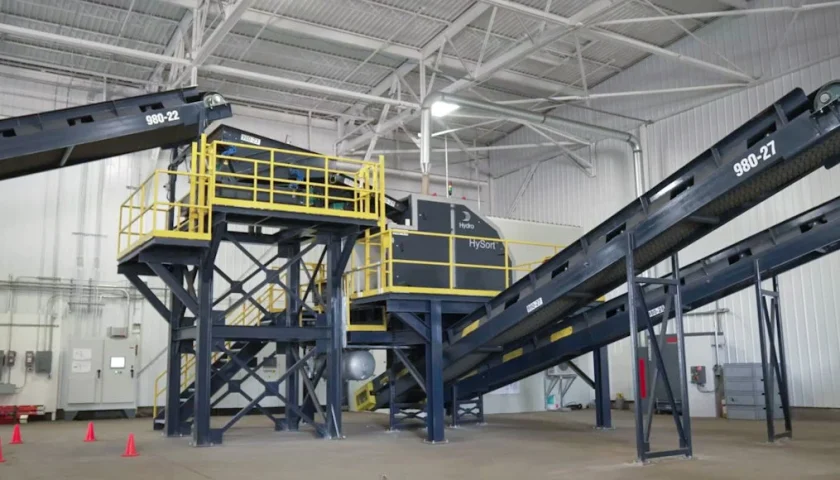
US$2.3B aluminium scrap value locked as weak markets hinder sorting: WBCSD
Beyond technology, the value chain is misaligned, collectors can’t see manufacturer needs, recyclers face uncertain demand, and manufacturers lack sufficient traceable secondary aluminium.
-
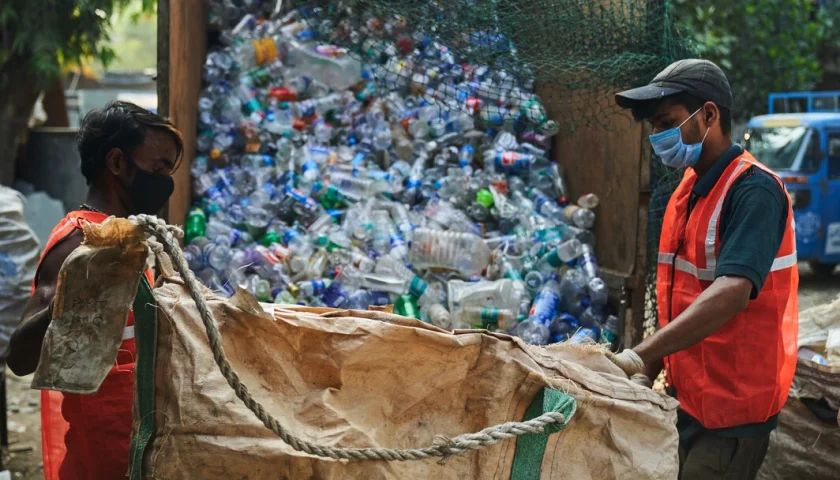
India’s plastic recycling market to grow 9-11% annually demand rises: Association of Plastic Recyclers Bharat
Association Director General Shailendra Singh said the recycling ecosystem has transformed significantly over the past decade, driven by more investment and world-class technology.
-
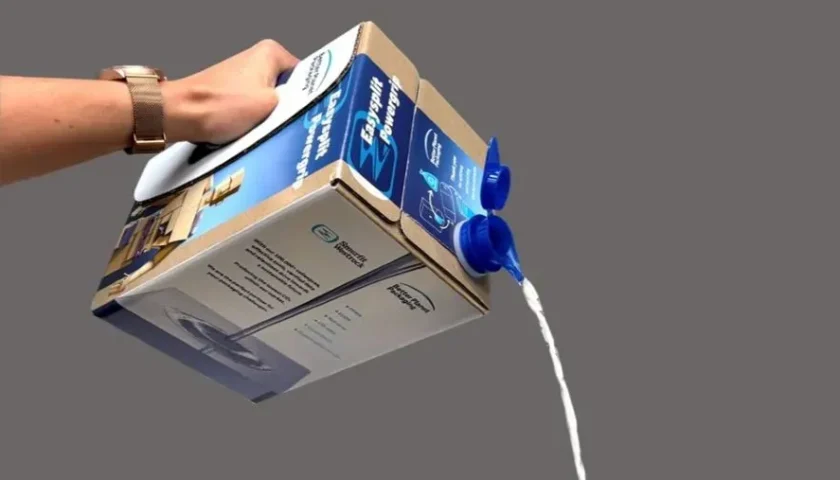
Smurfit Westrock study finds up to 97% of consumers separate bag-in-box packaging for recycling
The results suggest consumers are more willing to recycle when packaging is intuitive and easy to sort.
-
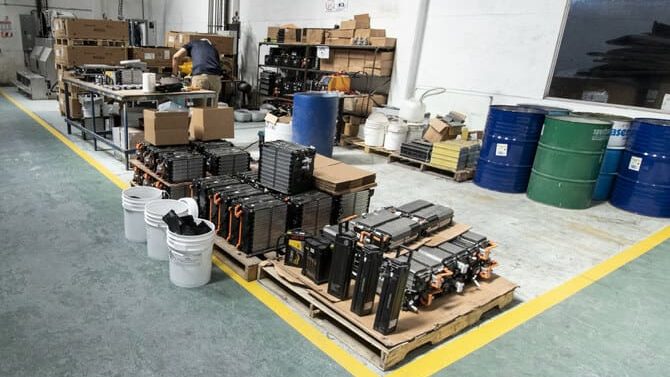
Ericsson recycles 5,000MT of end-of-life e-waste, metal recovery in Saudi Arabia
The equipment is processed by Ericsson-approved recyclers, fully licensed, with strong recycling performance and compliance with international environmental, health, and safety standards.
-

AI-powered paper packaging to propel South African market to US$4B by 2034: IMARC
According to IMARC Group, tighter government curbs on single-use plastics and rising consumer demand for green alternatives are accelerating South Africa’s shift toward paper-based packaging.
-
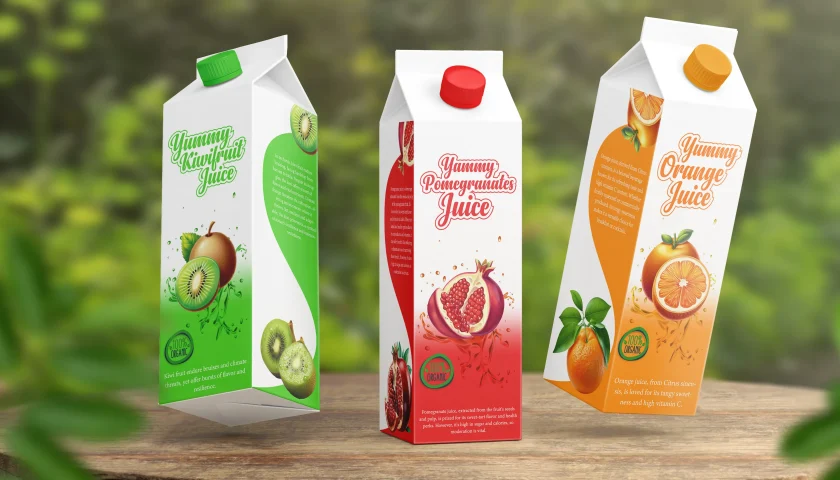
India’s beverage carton recycling rate reaches 48% in TERI study
TERI’s urban assessment found that only 5–6% of used beverage cartons in the studied cities reach landfills; the rest flows into formal and informal collection systems.
-
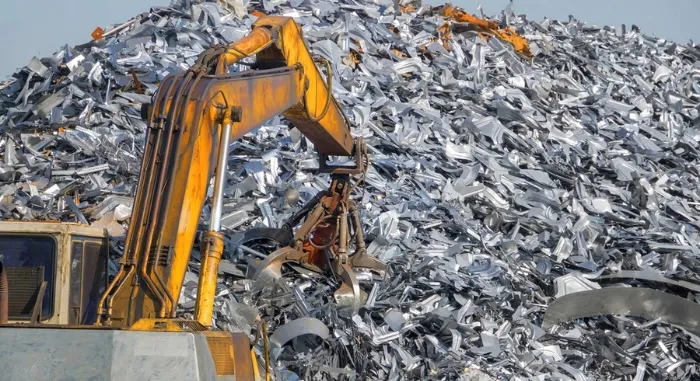
Scrap metal recycling market to hit US$711.8B by 2034: TMR Report
Transparency Market Research forecasts growing demand for recycled metals—cost-effective and green alternatives to virgin materials, in manufacturing, construction, automotive, electronics, and infrastructure.
-
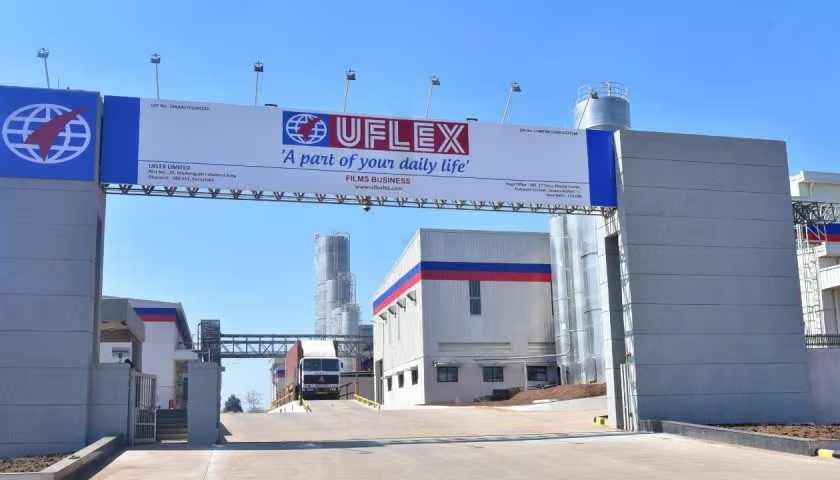
UFlex’s Q1 net profit surges 629% to US$50.7M as Egypt line, Mexico plant drive 37.6% revenue growth
Management projected strong growth from the upcoming Egypt aseptic plant and improved domestic capacity use, with EBITDA hitting a 21‑quarter high.
-
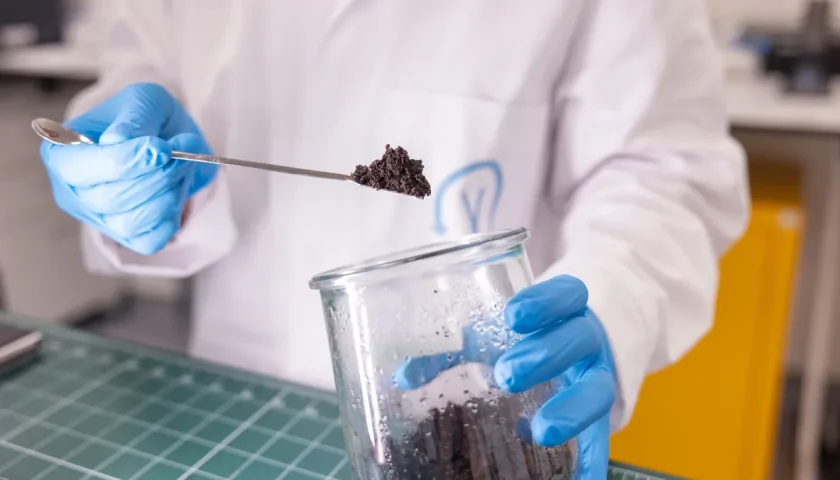
Polymateria PE, PP packaging biodegrades in 269-292 days in open environments
The technology is built into plastics during manufacture, requiring no process or equipment changes, making it instantly scalable and cost-effective for producers worldwide.
-
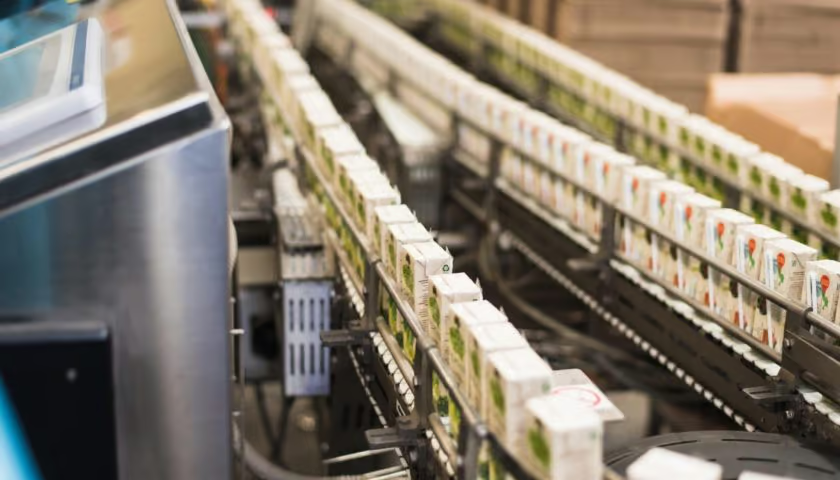
93% of UK businesses rethink packaging as PPWR, pEPR drive compliance – Advanced Supply Chain
The survey found that 16 percent of businesses have already formatted packaging to comply, 39 percent are currently making changes, and 32 percent are reviewing.