

Scrap metal recycling market to hit US$711.8B by 2034: TMR Report
Transparency Market Research forecasts growing demand for recycled metals—cost-effective and green alternatives to virgin materials, in manufacturing, construction, automotive, electronics, and infrastructure.
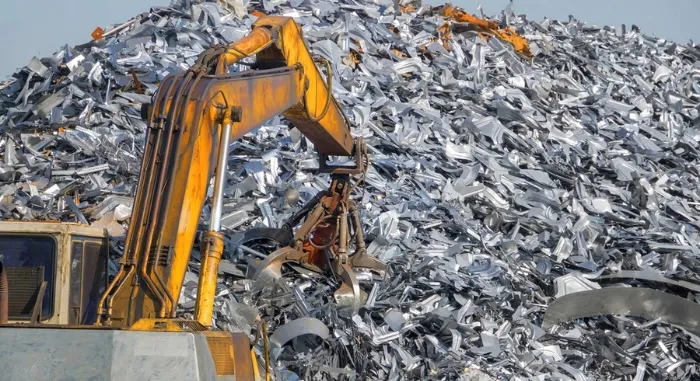
GLOBAL – The global scrap metal recycling market, valued at approximately US$317.1 billion in 2023, is projected to expand at a compound annual growth rate of 7.9 percent to reach an estimated US$711.8 billion by 2034, according to a Transparency Market Research report.
The forecast from market intelligence firm Transparency Market Research reflects the increasing importance of recycled metals as cost-effective and sustainable alternatives to virgin raw materials across manufacturing, construction, automotive, electronics and infrastructure applications.
The market features established metal producers and recycling companies including ArcelorMittal, Sims Metal Management, Nucor, Aurubis, OmniSource, Commercial Metals, Tata Steel, European Metal Recycling, and Kuusakoski competing through capacity expansion, acquisitions and technological development.
Asia-Pacific accounted for over 52 percent of 2025 market volume and is expected to grow at a CAGR of 6.73 percent through 2031.
Ferrous Metals Dominate as EAF Steelmaking and Infrastructure Drive Growth
Ferrous metals contributed nearly 71 percent of 2025 throughput, driven by demand for rebar, beams and automotive sheet, while non-ferrous metals are anticipated to grow at 6.22 percent CAGR through 2031.
The shift towards electric arc furnace steelmaking is reinforcing this trend, as EAF technology relies heavily on recycled steel feedstock while reducing energy consumption compared to primary production routes.
Urbanisation and infrastructure expansion continue to drive demand for cost-effective and lower-carbon materials, with stricter sustainability targets pushing industries to increase recycled content in production.
The building and construction sector remains the largest consumer of recycled metals, with rapid urban development generating significant volumes of scrap material for packaging and construction applications.
Non-Ferrous Metals Benefit from Electrification and Recycling Advances
Copper scrap prices rose by 18 percent in 2025 due to a 2.5 million-ton mine shortfall combined with strong electrification demand.
Aluminum collection remains robust under beverage-can take-back laws, while lead batteries set the efficiency standard with a 99 percent collection rate in the United States.
Technological improvements are transforming recycling operations, with AI-enabled sorting, robotics, sensor-based identification and advanced shredding improving material recovery and reducing contamination.
Automated sorting systems, sensor-based separation, artificial intelligence and more efficient smelting processes are helping recyclers process larger volumes of complex scrap for packaging and manufacturing applications.
Subscribe to our email newsletters that provide busy executives like you with the latest news insights and trends from Africa and the World. SUBSCRIBE HERE
Be the first to leave a comment