

Recycling
-
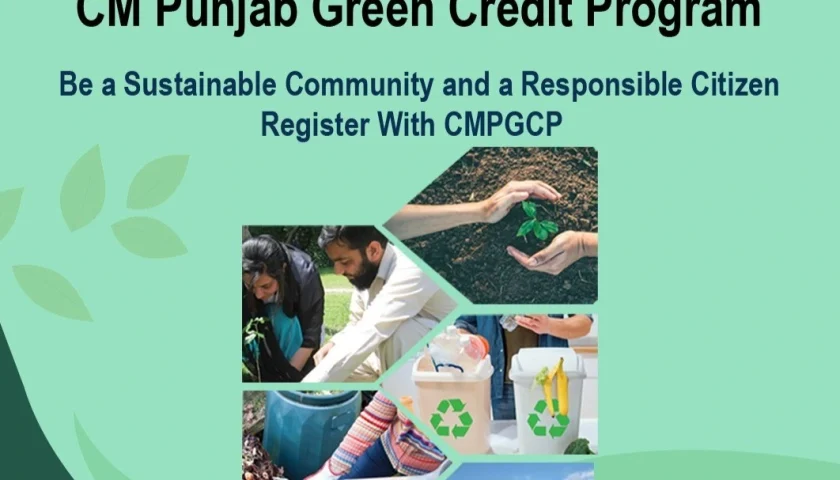
Punjab’s new Green Credit Programme pays US$35.62 for plastic bottle recycling
By tying household waste directly to industrial recycling, the initiative gives residents a real incentive to segregate and return packaging rather than throw it away.
-
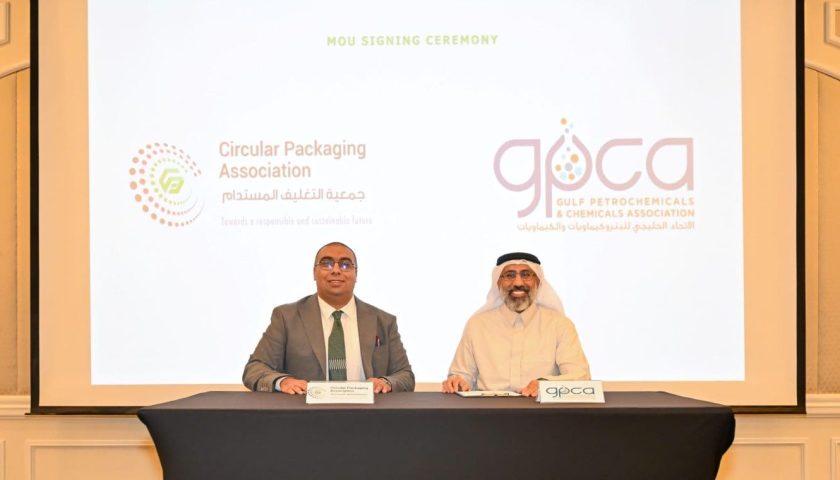
CPA, GPCA sign MoU to advance packaging circularity in GCC
The two bodies will cooperate on policy, knowledge, advocacy, and capacity building, including joint dialogues, research, and workshops.
-
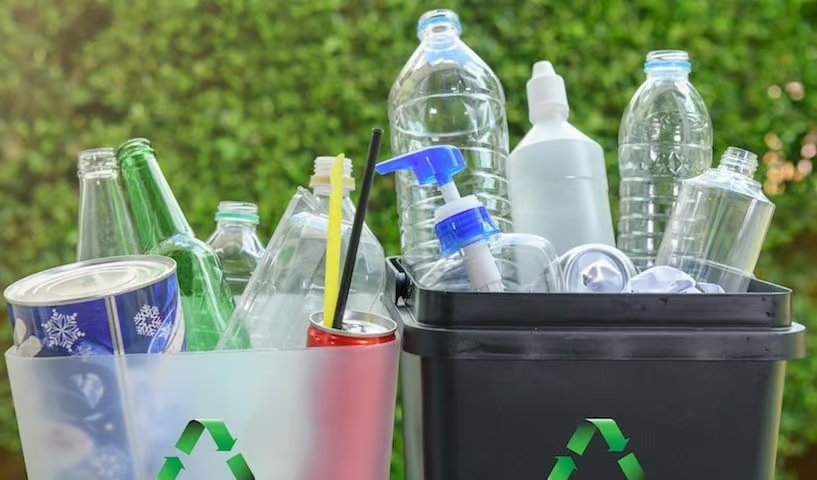
Alliance to End Plastic Waste cuts 138,000T through circularity programs
Each Country Program, in Brazil, the GCC, India, Indonesia, and South Africa, addresses key collection, sorting, and recycling infrastructure gaps aligned with national goals, backed by at least $100M in co-financing.
-
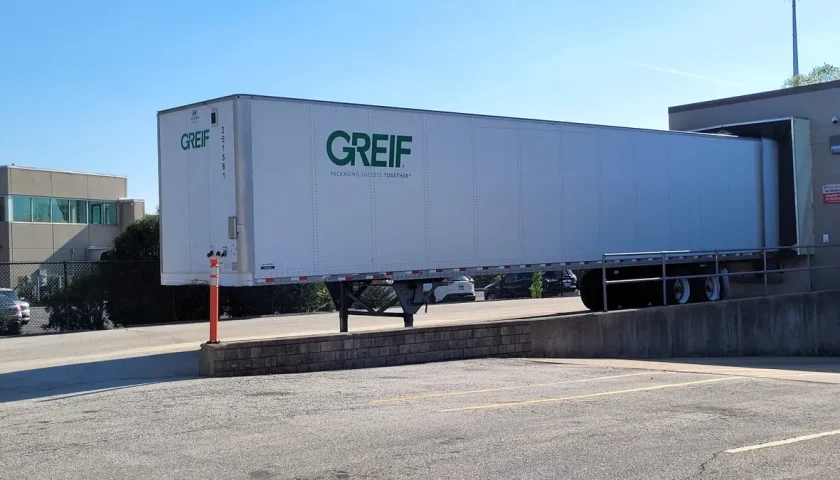
Greif to close Sweetwater Mill, exits coated recycled paperboard sector
This exit reflects wider paper packaging consolidation, as producers focus on core products to improve returns amid input-cost swings and shifting brand demand.
-
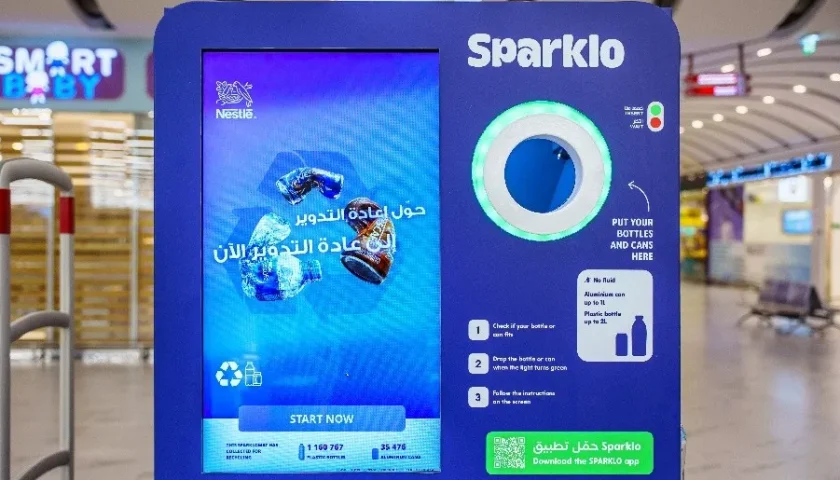
Majid Al Futtaim, Nestlé, Sparklo partner to cut 200T of CO2 emissions via recycling push
Integrating smart recycling into daily destinations makes it simpler, more accessible, and more rewarding, while extending material circulation.
-
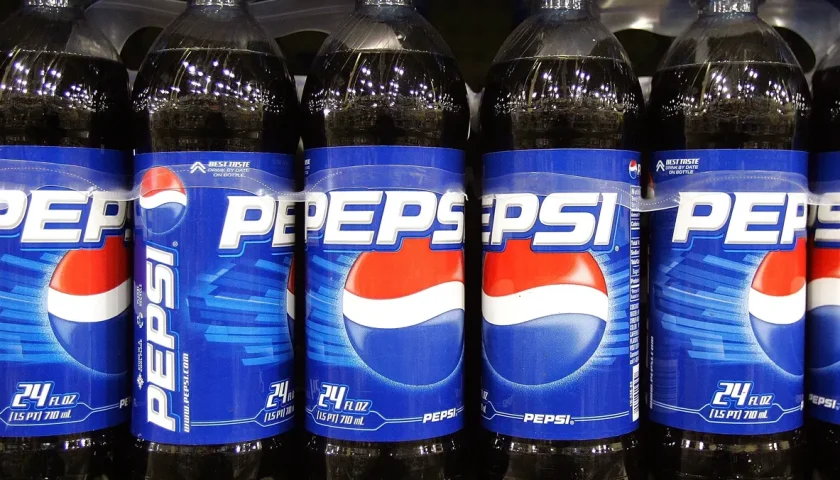
PepsiCo India cuts virgin plastic use in packaging by 6%: ESG update
To reduce material and boost recyclability, the company is shifting foods packaging to mono-material/polyolefin structures and select products to 100% rPET bottles.
-
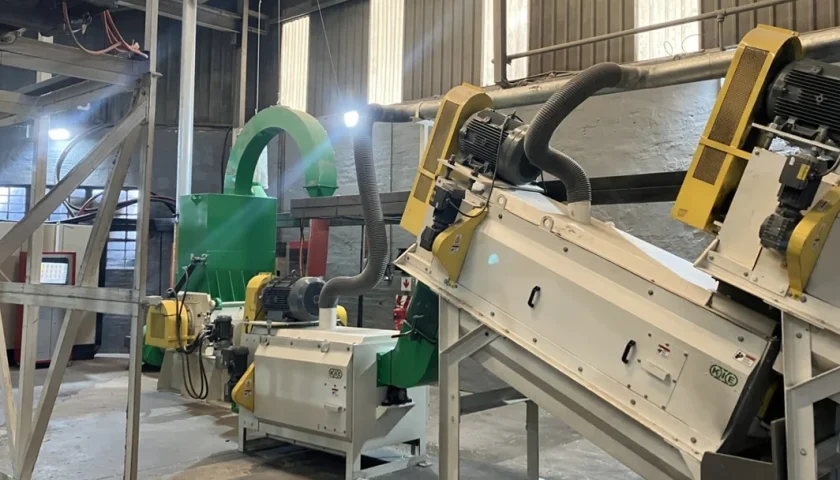
Tetra Pak invests US$1.18M in Johannesburg carton recycling machine
The machine—run by Unique Timber Plastics in Johannesburg’s Heriotdale industrial area, removes plastic and aluminium layers from used cartons, producing pellets reused as industrial inputs.
-
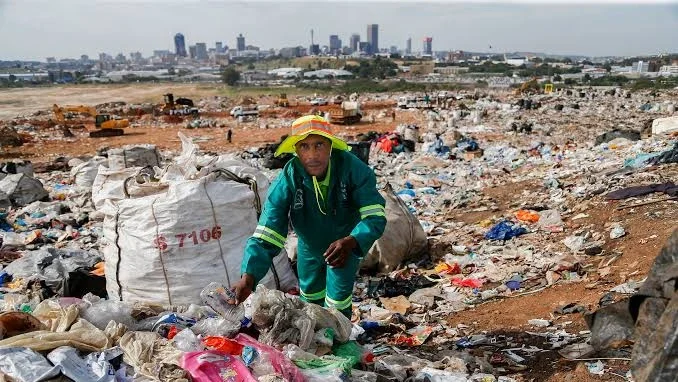
Johannesburg launches recycling sorting facility at Robinson Deep Landfill site
Polyco, a Pikitup stakeholder and non-profit for SA plastic recycling, pledged machinery to improve productivity and efficiency of on-site collection/sorting cooperatives.
-

NASENI unveils plan for Nigeria’s first metal additive manufacturing hub
Powder recovery and recycling lets unused and residual metal powders be reprocessed, lowering waste and input costs and supporting circular flows on-site.
-
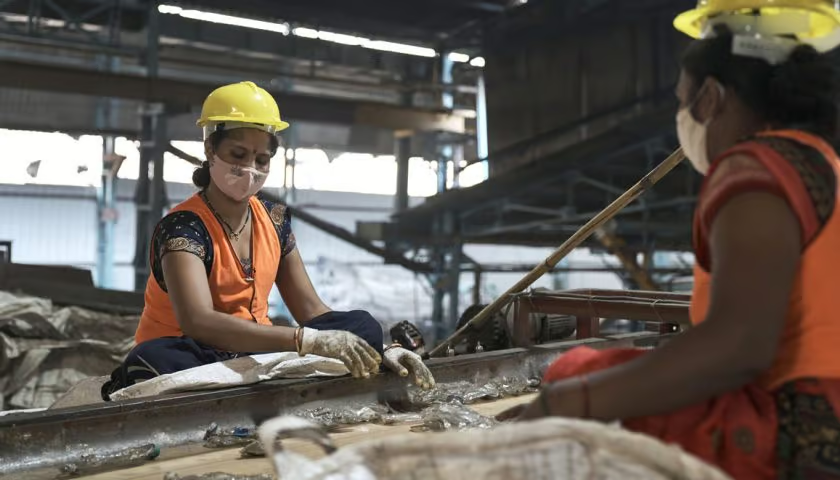
Circulate Capital invests US$9.5M in Indian plastics recycler JC Global
The growth programme includes expanding recycled polyolefin output, PP, HDPE, and ABS resins. JC Global also plans new Tamil Nadu plants and chemical recycling capacity to recover residual plastics from mechanical recycling.