

Waste Management
-

UK exempts hospitality glass from packaging EPR fees from April 2027
The announcement responds to criticism that some hospitality businesses effectively pay twice for packaging waste management, since many already pay commercial waste contractors.
-
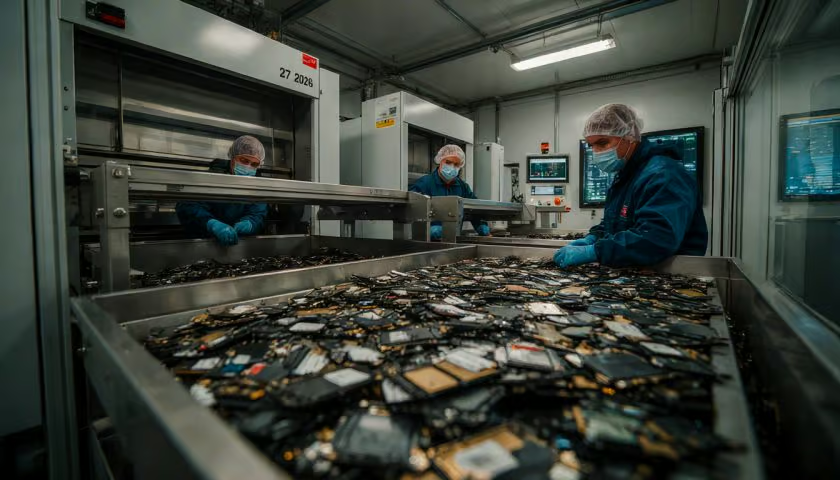
India blocks lithium-ion battery waste exports to keep metals in domestic recycling
Aligned with circular economy principles, the policy has used batteries dismantled and processed domestically to recover critical minerals, reducing imported raw material needs.
-
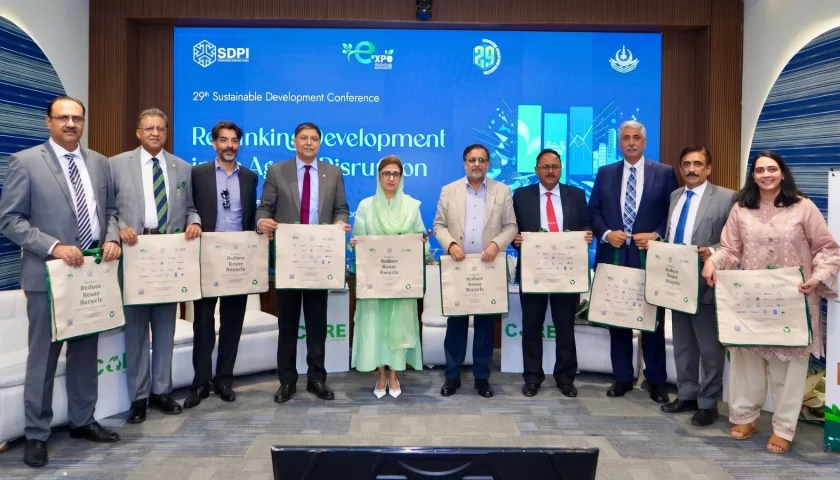
CoRe Alliance demands nationwide EPR framework to overhaul recycling sector
According to CoRe Alliance CEO Sheikh Waqar Ahmad, circular economy progress demands both supportive policy frameworks and practical action, with greater industry participation, tax incentives, and easier financing.
-
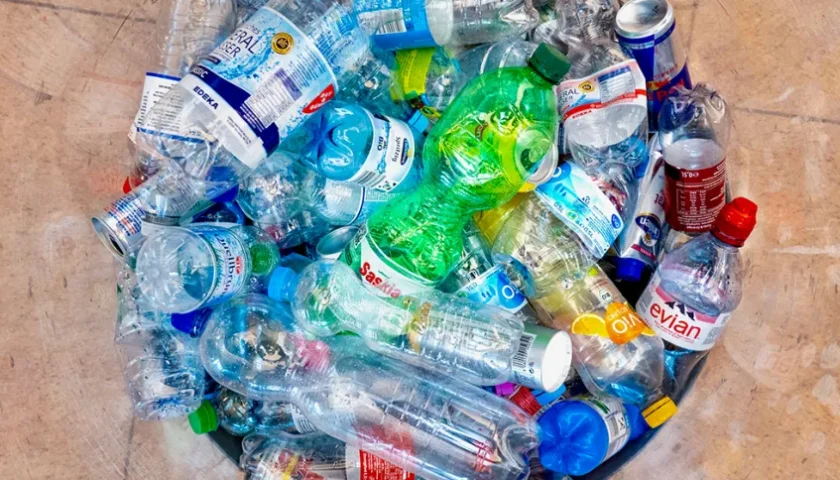
Amsterdam explores ban on single-use packaging to cut litter
According to Lian Heinhuis, Amsterdam’s alderwoman for waste and cleaning, banning disposable packaging is a realistic option—the clear aim being a litter-free city with reuse as the norm.
-

Somalia holds first circular economy forum to promote waste recycling
Organisers noted that securing investment depends on proving viable business models, given recyclers’ need for reliable feedstock volumes and buyers for processed materials.
-

Uganda launches e-waste management initiative during National Cleaning Day
Uganda’s recycling sector needs sustained collection infrastructure, processor capacity for incoming volumes, and markets for recovered materials to justify ongoing investment.
-

Eswatini joins US$60M programme to scale electronics recycling
The programme backs policies, financing, and technology for sustainable electronics value chains, while promoting repair/reuse for longer lifespans and better collection, recovery, and sound recycling.
-

South Africa finalises revised steel master plan to boost recycling
By ensuring domestic processors retain access to scrap, local manufacturing is supported and reliance on imported refined metals is reduced.
-

Ghana to confiscate banned styrofoam cargo from January 2027
Focusing on the border instead of retail, authorities aim to close a loophole letting importers bypass local bans with prohibited packaging materials from abroad.
-

KNBS, UNITAR report values e-waste metals at US$44M
Most Kenyan e-waste, despite its estimated value, moves through informal collectors where dismantling and metal recovery lack environmental safeguards and worker protections.