

Oman’s 96 recycling facilities achieve 39% rate as single-use plastic bag ban drives circularity
The authority is also working to encourage investment in sustainable alternatives, strengthen environmental compliance, and support innovation in environmentally friendly packaging materials.
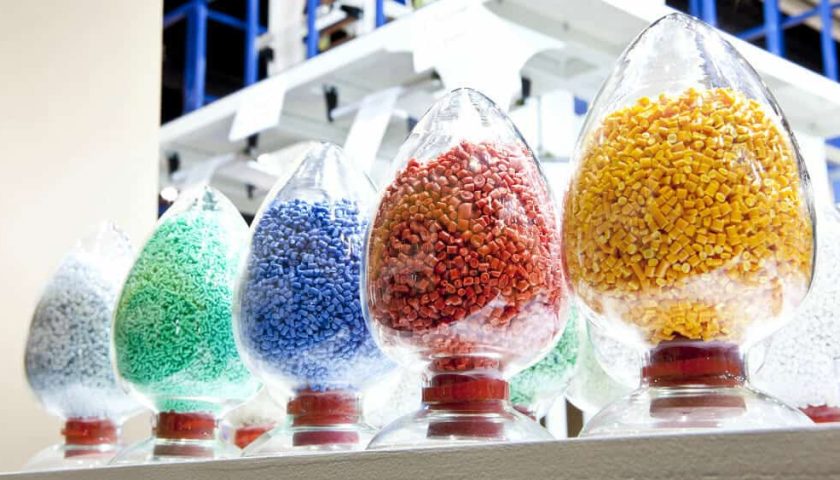
OMAN – Oman’s Environment Authority has achieved a total recycling rate of approximately 39 percent, processing about 1.37 million tonnes of waste through 96 recycling facilities across various streams, with 26 dedicated plastic recycling factories supporting the nation’s circular economy transition.
The sultanate has made remarkable progress in developing its recycling sector as part of its commitment to the Sustainable Development Goals, particularly SDG 12 on Responsible Consumption and Production.
Azhar al Hinai, Director of Chemicals and Waste Management at the Environment Authority, stated that Oman has achieved these results through steady infrastructure growth and the ongoing development of national policies and regulations.
Plastic Recycling Sector and Single-Use Bag Ban Drive Waste Reduction
Plastic recycling has emerged as one of the fastest-growing sectors, with 26 factories processing different types of plastic waste into valuable raw materials used in the manufacture of new products.
A major milestone was the issuance of Environment Authority Decision No 8/2024, which prohibits the use of single-use plastic shopping bags across all commercial establishments in Oman.
Al Hinai explained that the regulation promotes the adoption of environmentally friendly alternatives while encouraging sustainable consumer behaviour.
The authority is also working to encourage investment in sustainable alternatives, strengthen environmental compliance, and support innovation in environmentally friendly packaging materials.
Environmental Impact and Oman Vision 2040 Objectives
Al Hinai explained that the environmental impacts of plastic waste are significant, as plastic bags can block drainage systems, contribute to pollution, and pose serious risks to wildlife. Marine animals, birds, and livestock may ingest plastic bags or become entangled in them, leading to injury or death.
As plastic bags gradually break down into microplastics, they can contaminate soil, freshwater, and marine ecosystems with potential long-term impacts on biodiversity and human health.
The authority conducts nationwide awareness campaigns in collaboration with government entities, educational institutions, the private sector, and civil society organisations to promote reusable bags and responsible consumption.
These efforts contribute to achieving the objectives of Oman Vision 2040 and reducing plastic pollution across the country.
Subscribe to our email newsletters that provide busy executives like you with the latest news insights and trends from Africa and the World. SUBSCRIBE HERE

Be the first to leave a comment