

Waste Management
-
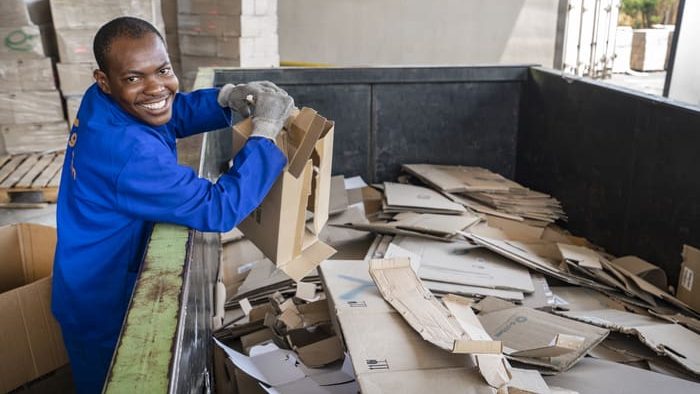
South Africa’s new EPR laws force appliance makers to fund recycling, track e-waste
The regulations support South Africa’s circular economy push, with the draft National Waste Management Strategy 2026 targeting 40–60% landfill diversion over the next 5–15 years.
-
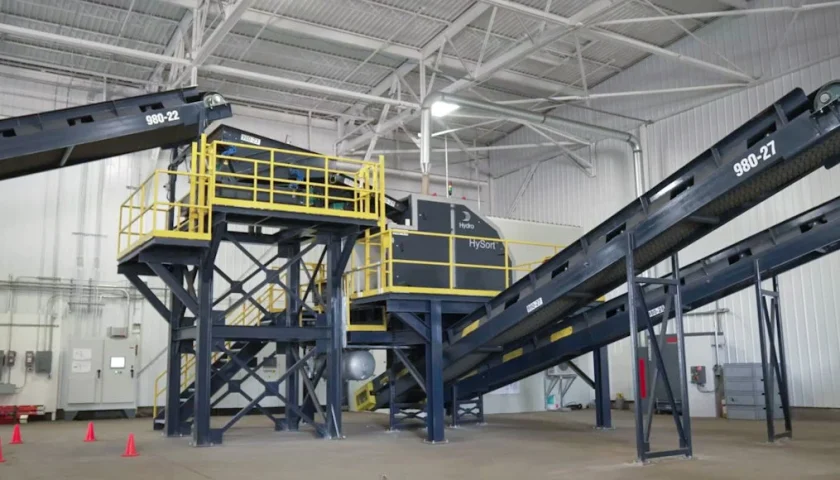
US$2.3B aluminium scrap value locked as weak markets hinder sorting: WBCSD
Beyond technology, the value chain is misaligned, collectors can’t see manufacturer needs, recyclers face uncertain demand, and manufacturers lack sufficient traceable secondary aluminium.
-
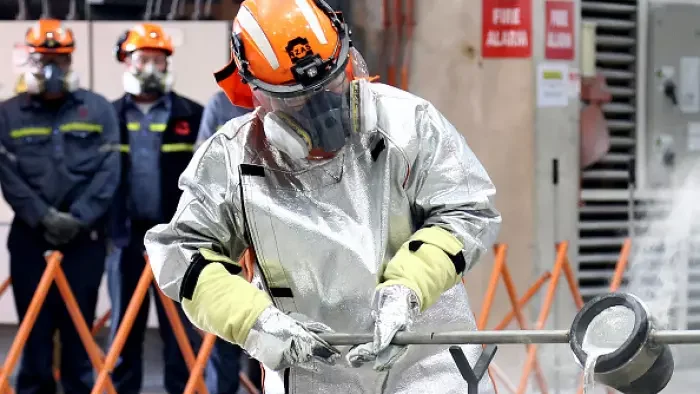
NZ aluminium extruders seek recycling protection as 109% import surge threatens sector
Imported hollow extrusions arrive at ~US$4,000/tonne, while local manufacturers pay higher prices for aluminium billet, making it hard for recyclers to compete.
-
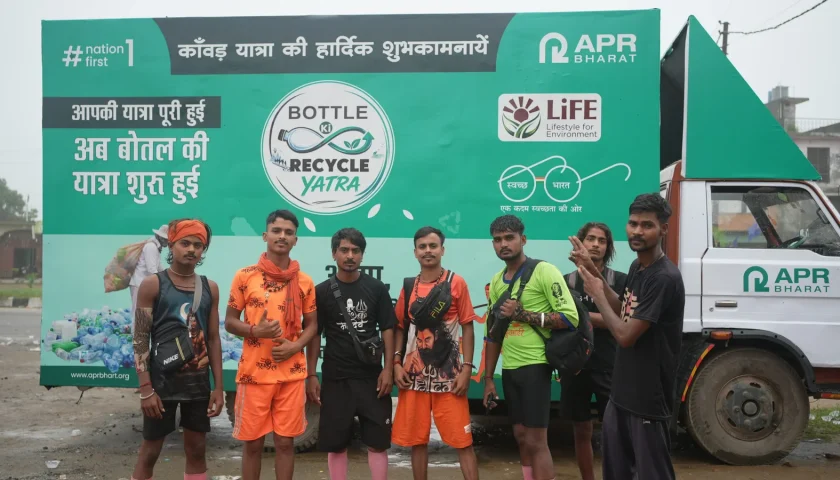
APR Bharat’s 15-day campaign reaches 1M Indians, collects 50,000 bottles
The initiative comes as India pushes to boost domestic production of over 200 petrochemical items. APR Bharat says transitioning to recycled PET is key to resource security, cutting imports, and building a resilient packaging supply chain.
-

Henkel’s Shanghai lab gains EU recyclability testing accreditation
The move expands Henkel’s regional support for packaging producers, converters, and brand owners navigating PPWR and broader recyclability requirements across Asia-Pacific.
-

Ahlstrom’s new Grease-Gard PLUS, PRO target PFAS-free fast food packaging
The recyclable product replaces wax-treated papers in moist food-service applications, helping brands reduce single-use plastics and coated packaging.
-
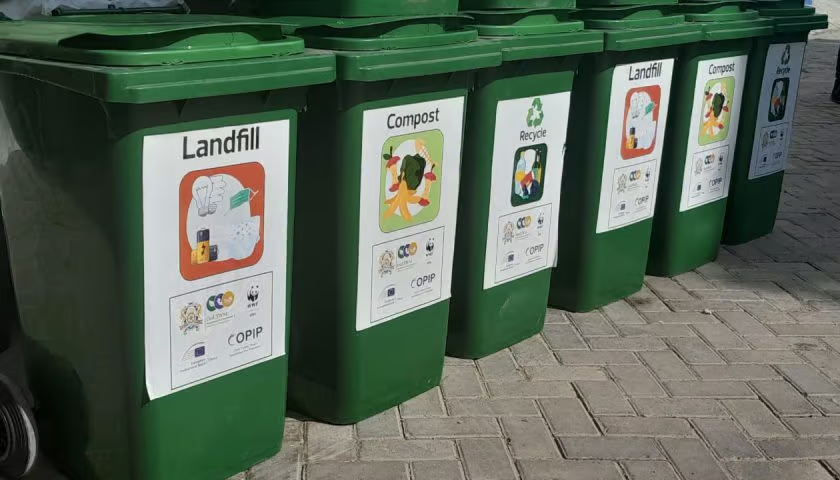
Petra gets new waste-sorting bins to enhance recycling, tourism preservation
Sorting bins at Petra are expected to cut landfill waste from the site and create opportunities for local recyclers to process the collected materials.
-
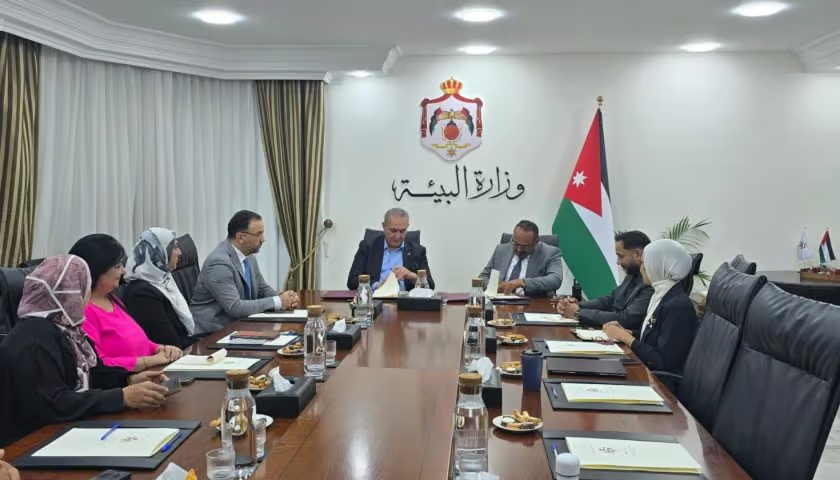
Jordanian environment ministry signs recycling MoU with Far East Projects
The memorandum falls under the National Cleanliness and Anti-Littering Strategy’s executive program, which aims to build an integrated waste management system and strengthen ties with the private sector and civil society.
-

OGWAMA seals Quantum Packaging Nigeria for illegal waste disposal, citing health, environmental violations
The company will stay closed until the illegal dumpsite is shut and a remediation plan to remove all waste is submitted, only then will the state consider reopening.
-
Morocco’s US$1.5B Casablanca WtE plant to process 1.5MT of waste
The city needs regulations mandating separation of reusables before incineration, to keep recycling from being undermined when operators rely on waste volume to run plants.