

Morocco’s US$1.5B Casablanca WtE plant to process 1.5MT of waste
The city needs regulations mandating separation of reusables before incineration, to keep recycling from being undermined when operators rely on waste volume to run plants.
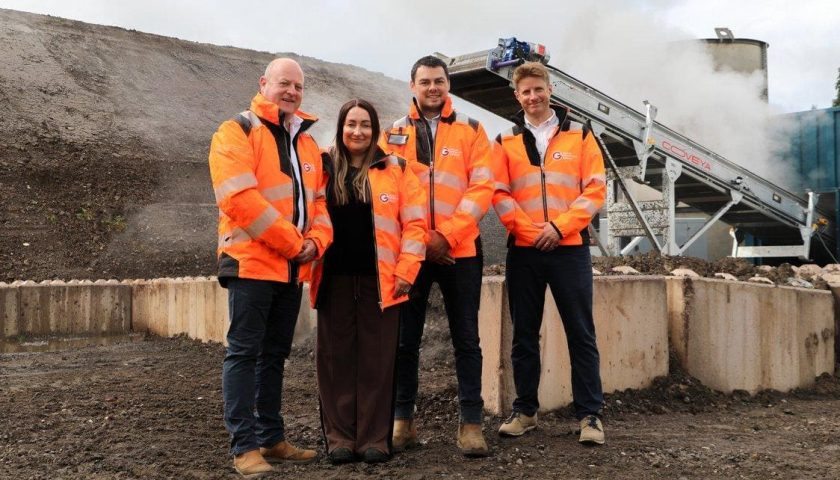
MOROCCO – A consortium led by Kanadevia Inova has signed a concession agreement for Morocco’s first integrated waste-to-energy project in Casablanca, a US$1.5 billion facility that will process 1.5 million metric tonnes of municipal waste annually and generate 115 MW of electricity.
The 33.5-year concession, signed on 3 August 2026, includes a 115-megawatt waste-incineration plant, a 50-megawatt solar facility and a 4-megawatt biogas unit using methane from landfill sites.
Moroccan contractor Somagec will build the facility near the Mediouna landfill, with construction expected to take approximately 3.5 years and full operations scheduled for mid-2030.
The partners estimate the system could meet the annual electricity needs of about 1 million people.
Project Structure and Financing
The consortium, which includes Morocco’s Nareva and Japan’s Itochu, has secured power purchase agreements with state utility ONEE and regional services company SRM Casablanca-Settat.
The project will seek debt from Moroccan banks, with the partners providing equity. Construction will start once the financing package is completed, which Kanadevia Inova expects in the fourth quarter of 2026.
Waste treatment and power generation may start 6 to 10 months before full completion.
The project represents Morocco’s first integrated waste-to-energy initiative and only the second facility of its type in Africa, positioning the kingdom as a regional leader in sustainable waste management infrastructure.
Environmental Impact and Challenges
The Mediouna landfill has caused odours, contaminated nearby farmland and released methane as waste decomposes.
The project is intended to reduce those effects while adding power for Casablanca, with the partners estimating it could avoid as much as 128 million tonnes of carbon dioxide emissions over the concession period by cutting landfill use and capturing methane.
The plan also faces questions over incineration, including emissions, ash disposal and whether burning waste could weaken recycling.
The 33.5-year concession shifts part of the construction and operating burden to the consortium, while leaving public authorities responsible for oversight.
The project’s success will depend on whether it can meet stringent environmental standards, including air quality monitoring and safe management of incinerator bottom ash and fly ash residue.
The city will need regulations that separate reusable materials before burning the rest to prevent recycling from suffering when operators need a volume of waste to keep plants running.
The project could set a model for cities across Africa facing landfill growth, methane and power shortages, with its value measured by costs, emissions, recycling rates, electricity output and whether communities see less pollution without taking on new health risks.
Subscribe to our email newsletters that provide busy executives like you with the latest news insights and trends from Africa and the World. SUBSCRIBE HERE
Be the first to leave a comment