

Regulatory & Policy
-
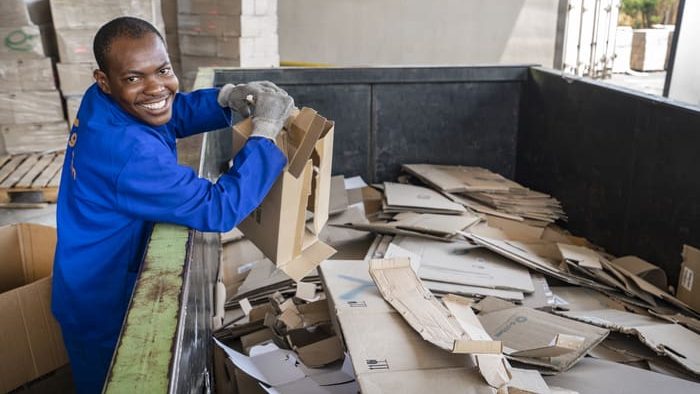
South Africa’s new EPR laws force appliance makers to fund recycling, track e-waste
The regulations support South Africa’s circular economy push, with the draft National Waste Management Strategy 2026 targeting 40–60% landfill diversion over the next 5–15 years.
-
UK plastic packaging tax raises US$337M but sidelines bio-based materials: HMRC
Taxable packaging fell to 37% of 2.97M declared plastic tonnes in 2025-26 (from 41% in 2022-23), with 5,142 registered firms by 13 Aug 2026, per HMRC.
-
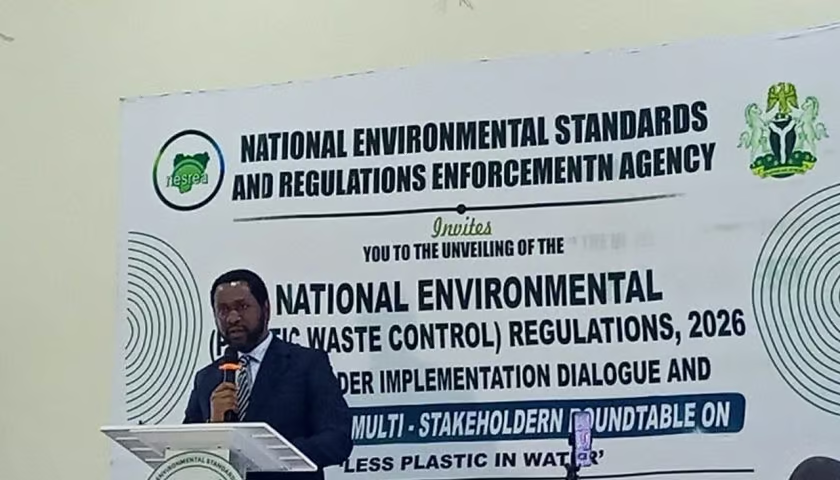
Reps Panel proposes phased plastic ban with green tax, EPR
Recommendations: phased legislation, harmonised state/federal rules, enforcement, recycling incentives, and retooling aid for firms and workers.
-
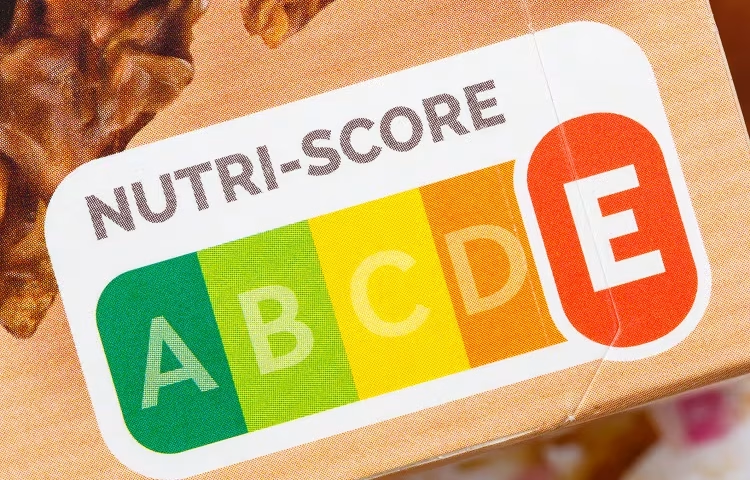
Dubai’s launches new A-to-E packaging grade rates for nutritional accuracy
The classification lets food businesses validate nutritional claims before or after market entry. Accurate information aids regulatory compliance and boosts confidence among regulators and consumers.
-

ACA pushes track-and-trace law for packaging as 19% of Kenyan goods deemed counterfeit
Dr. Robi M. King’a of ACA urged consumers to verify labels, trademarks, packaging, and sellers, since packaging is frequently the sole authenticity cue.
-
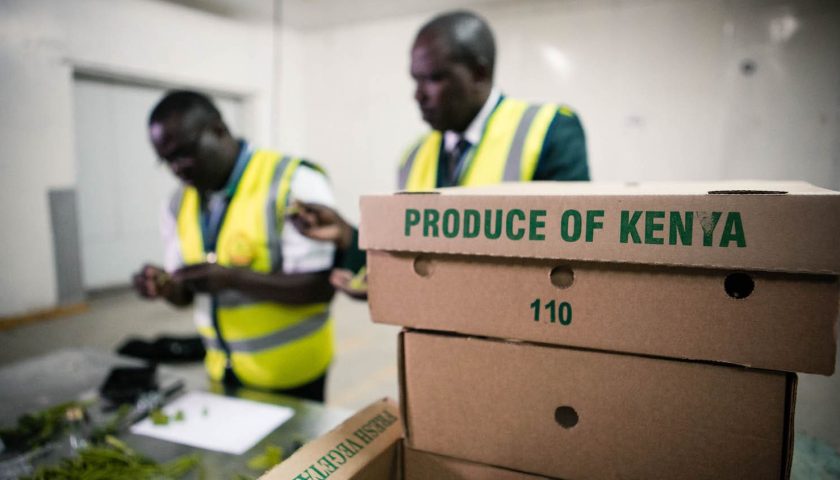
Kenya’s EU exporters face 45-day stock dilemma as PFAS ban takes effect
The Shippers Council of Eastern Africa warns the rules impose extra compliance burdens on exporters using imported packaging whose chemical makeup may not have been audited before.
-
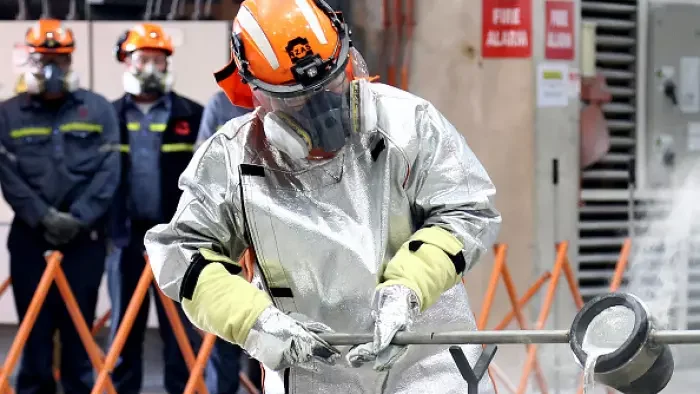
NZ aluminium extruders seek recycling protection as 109% import surge threatens sector
Imported hollow extrusions arrive at ~US$4,000/tonne, while local manufacturers pay higher prices for aluminium billet, making it hard for recyclers to compete.
-
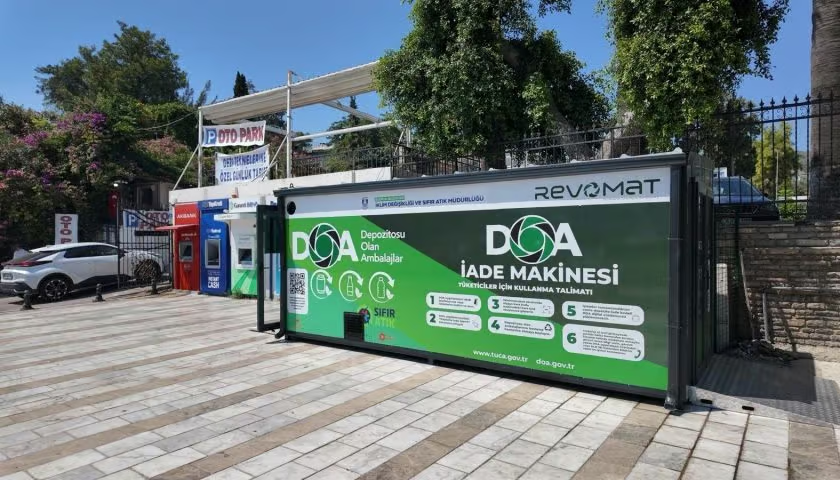
Türkiye’s DOA deposit recycling system hits 3M users with 130M containers returned
Targeting DOA-labelled PET, glass, and aluminium drinks containers, RVMs verify, count, and digitally log each return before directing it to recycling.
-

Ethiopia deploys cameras in breweries, bottling plants to curb tax evasion
Real-time cameras track production, exits, and transport remotely, providing the Ministry with direct digital visibility across factory floors.
-
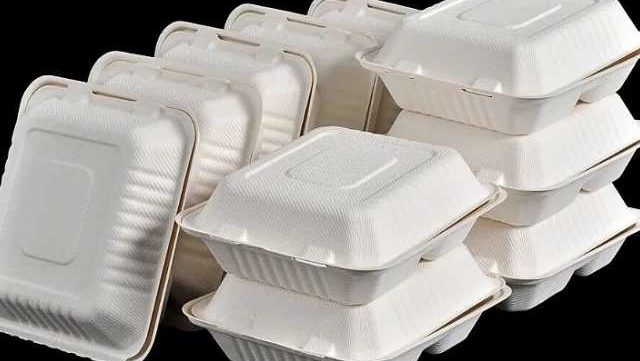
Ghana’s EPA: Styrofoam ban signals wider plastic crackdown
EPA’s Professor Ayamga-Adongo cautioned importers against fresh styrofoam orders, warning that post-deadline consignments will be confiscated and legal action taken.