

Regulatory & Policy
-

Jordanian environment ministry signs recycling MoU with Far East Projects
The memorandum falls under the National Cleanliness and Anti-Littering Strategy’s executive program, which aims to build an integrated waste management system and strengthen ties with the private sector and civil society.
-

US Plastics Pact removes EPS transport packaging from problematic list as 31% recycling rate met
The 19 August 2026 decision applies only to molded EPS transport packaging, for durable goods, temperature-sensitive pharma/biologicals, and fragile items needing cushioning.
-

OGWAMA seals Quantum Packaging Nigeria for illegal waste disposal, citing health, environmental violations
The company will stay closed until the illegal dumpsite is shut and a remediation plan to remove all waste is submitted, only then will the state consider reopening.
-

Egypt prepares extended producer responsibility scheme as WIMS platform set to launch for priority packaging materials
The WIMS platform will let producers and importers register and report packaging volumes placed on Egypt’s market, with Awad urging simplified procedures to drive participation.
-

FBR eases packaging rules for small chocolates, allowing retail price, tax information on outer packaging
The move is expected to ease packaging and compliance burdens for low-value confectionery makers, while still requiring clear retail-price and tax info on each package.
-

India’s 40% rPET mandate faces collection bottleneck as 25% of 356,000T capacity idles
To address the collection challenge, APR Bharat has launched the “Bottle Ki Recycle Yatra” campaign.
-

CIPPON seeks import duty relief for printing, packaging materials as sector faces capacity crisis
Nigeria does not yet produce the required raw materials and machinery at the needed volume or quality, making import dependence structural, not a matter of choice.
-
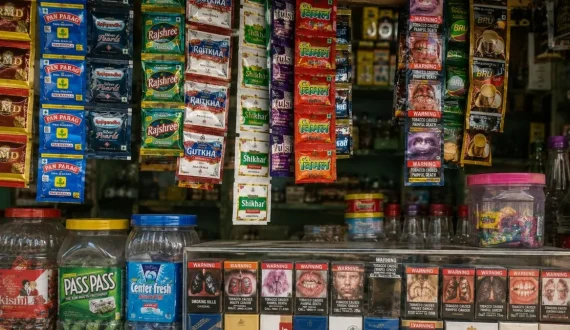
FSSAI bans synthetic packaging for pan masala, mandates tin, glass, paper, plastic-free materials
The new rules will likely push pan masala makers to redesign packaging, source compliant suppliers, and overhaul production and distribution processes.
-
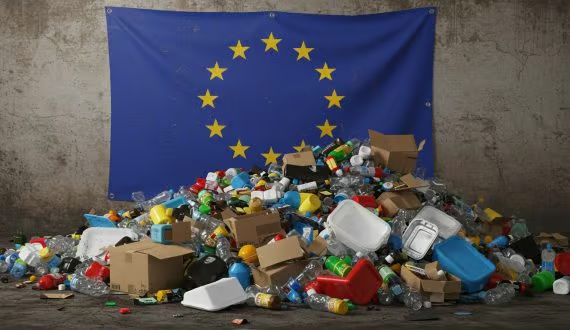
EU new packaging, recycling rules target 15% waste cut by 2040 with PFAS bans, labelling overhaul
PFAS limits and traceability are now in force, while broader measures, including new waste-sorting labels and deposit-return schemes, will roll out by 2030.
-
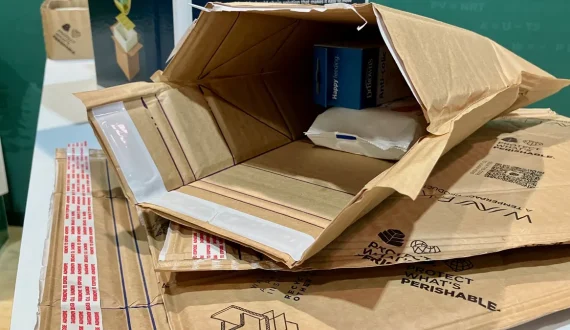
AICC slams 63% market dominance as three containerboard packaging hikes in five months hit
Skeptical of those explanations in containerboard, the association argues the moves may signal “a small group of producers having market dominance.”