

Packaging
-
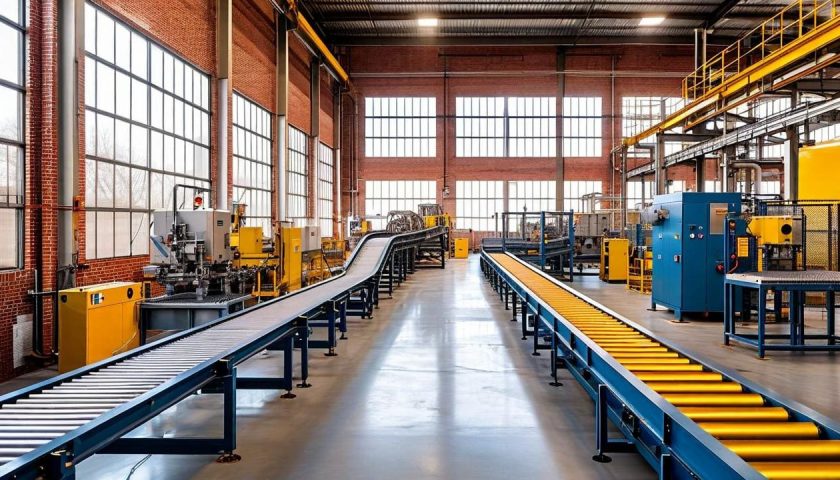
Vaxfab establishes UAE subsidiary Al Rafa for seeds, packaging, plastic raw materials trading
The subsidiary is set to engage directly in cross-border trade, leveraging the UAE’s strategic position as a gateway between Asia, Africa, and Europe.
-
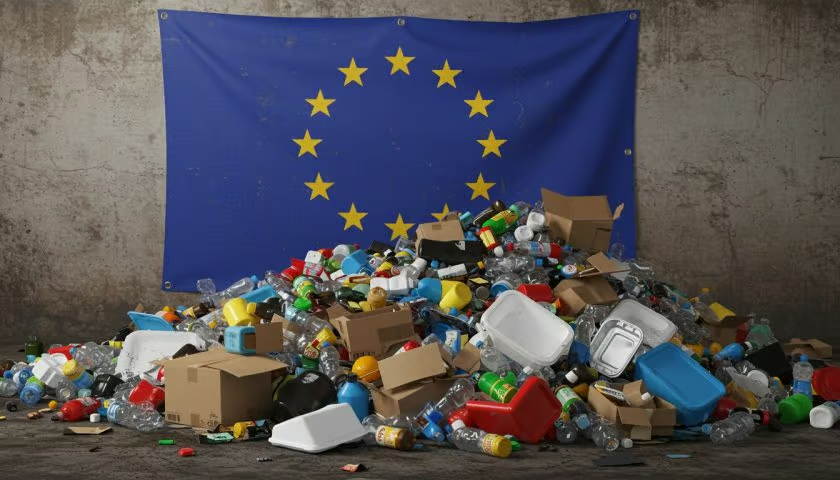
EU new packaging, recycling rules target 15% waste cut by 2040 with PFAS bans, labelling overhaul
PFAS limits and traceability are now in force, while broader measures, including new waste-sorting labels and deposit-return schemes, will roll out by 2030.
-
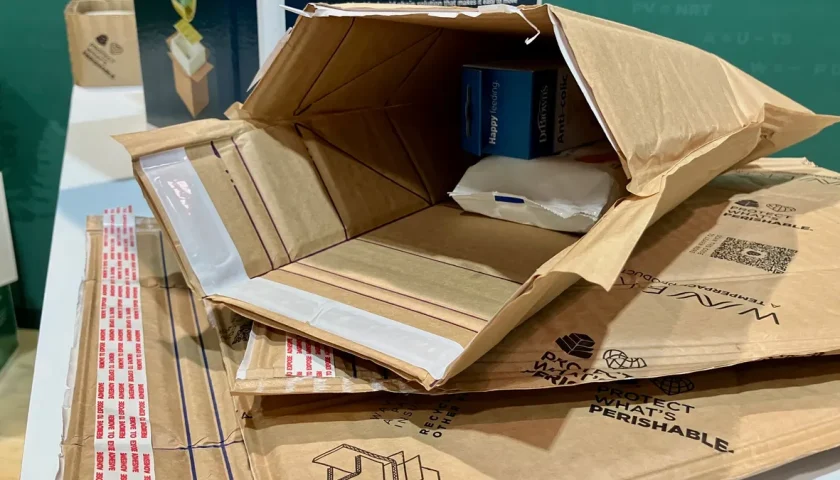
AICC slams 63% market dominance as three containerboard packaging hikes in five months hit
Skeptical of those explanations in containerboard, the association argues the moves may signal “a small group of producers having market dominance.”
-
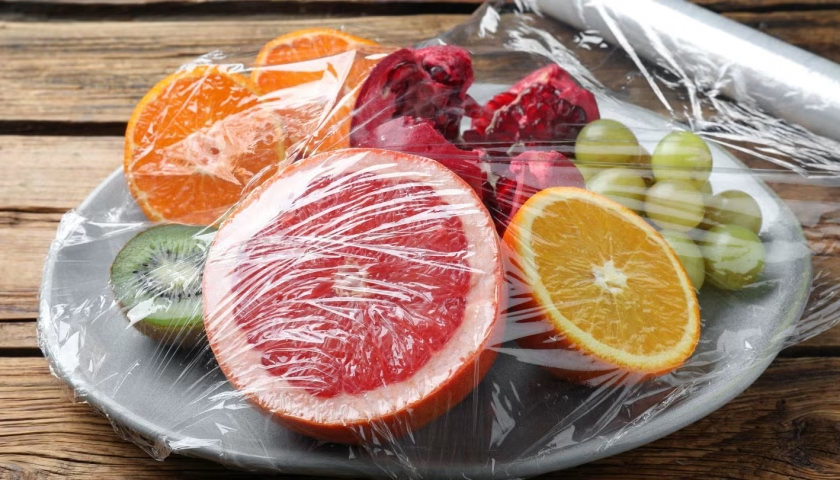
Kyushu University’s self-healing packaging film detects spoilage with colour-changing anthocyanin
The film detects spoilage through sealed packaging using natural pigments from purple sweet potato and red cabbage, addressing a key shortfall in standard food packaging.
-

Saudi Arabia bans syringe-style cosmetic packaging from 2027 with new labelling rules for ampoules, vials
Manufacturers, importers, and other entities have until 31 December 2026 to withdraw affected products or modify them to meet the new requirements.
-
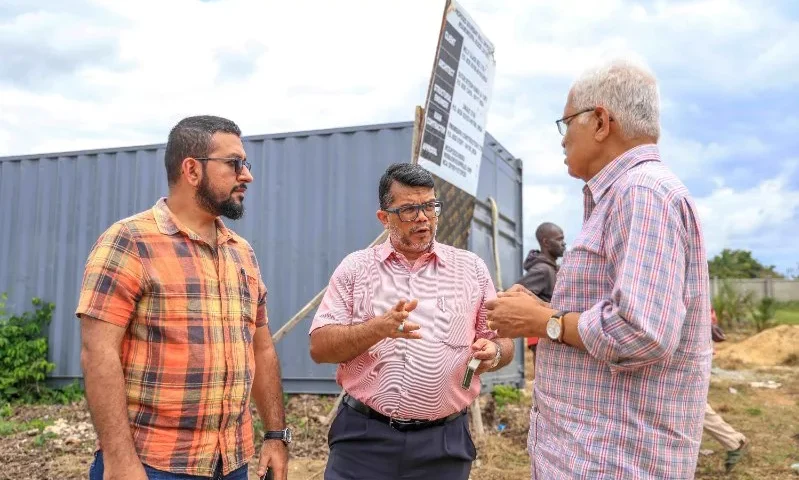
Milly Glass announces Africa’s first dedicated pharma glass plant in Kenya’s Dongo Kundu SEZ
Locally made glass packaging will also allow Kenya to recycle its own glass waste, historically exported as scrap, supporting a more circular economy.
-
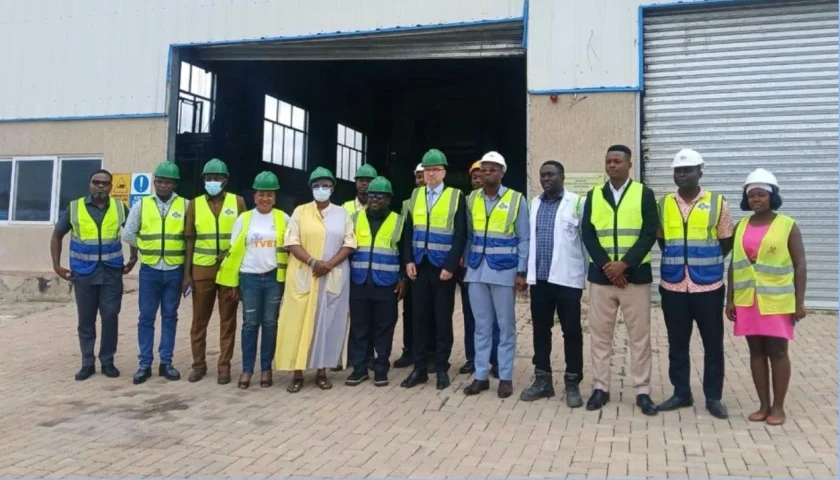
Ghana, Austria forge recycling, packaging waste partnership with US$33M SME investment fund
The training covers waste sorting, packaging recovery, and recycling equipment operation, giving participants the technical skills needed to handle Ghana’s rising waste volumes.
-

IFC’s US$20M Novatex investment enhances Pakistan’s packaging exports, rPET recycling capacity
The financing will allow Novatex to import essential raw materials and machinery, securing domestic plastic packaging supply while cutting import dependence and strengthening supply chains.
-
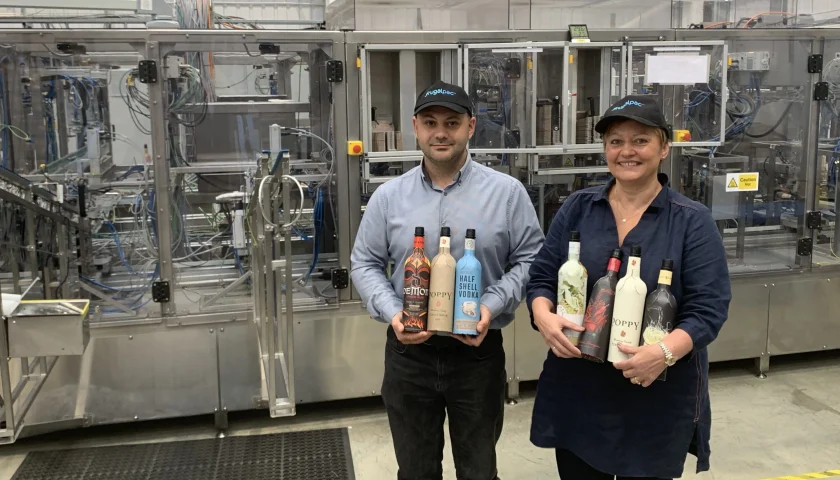
Frugalpac, Siemens lease-purchase deal removes investment barrier for 14M annual paper bottle production
The bottle’s carbon footprint is 84% below that of standard glass, and the new machine slashes production costs by up to 30%, bringing the Frugal Bottle to price parity with labelled glass.
-

MM Board & Paper’s new lightweight Kraft paper targets 40-50 gsm food, non-food packaging
Made from 100% ECF virgin fibres, the range offers food-contact options and complies with BfR XXXVI, FDA § 176.170, and EC 1935/2004.