Packaging
-
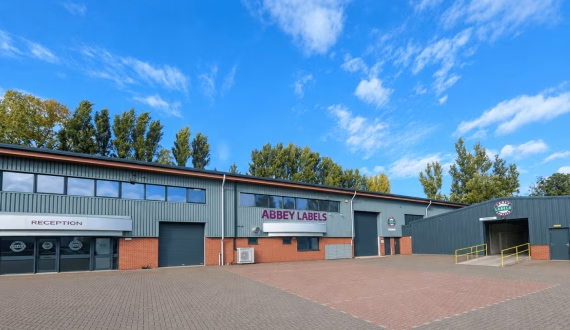
Asteria Group acquires UK label manufacturer Abbey Labels
The move supports Asteria Group’s ambition to establish itself as a sustainability leader in Europe’s label and packaging sector by 2030.
-
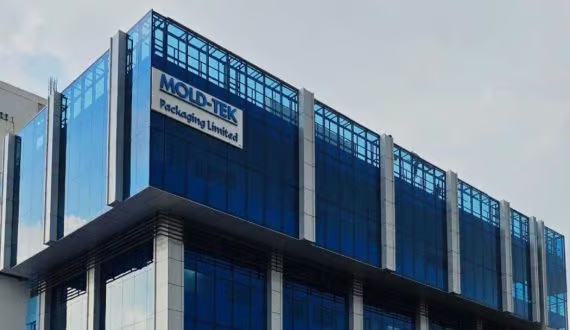
Mold-Tek Packaging Q2 EBITDA rises 29% to US$5.34M
That profit growth and margin stability diverge suggests substantially higher operating earnings in absolute terms, notwithstanding a slight dilution in the profitability percentage.
-
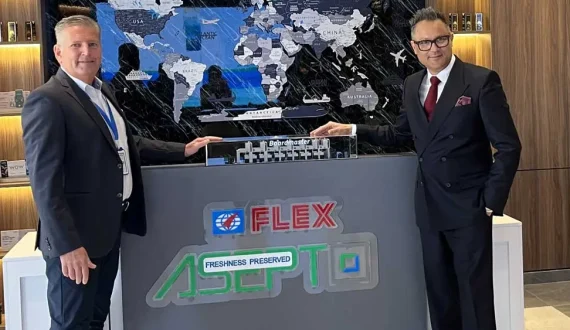
UFlex commissions two Heidelberg Boardmaster presses at Egypt facility
The Egypt facility will produce aseptic packaging for the global market, backing export-oriented manufacturing from its site near the Suez Canal.
-
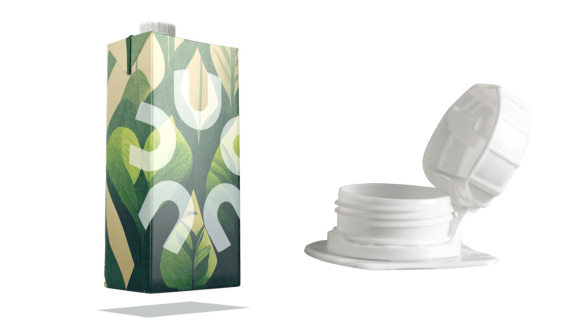
United Caps expands carton closure portfolio for flexible sourcing
Tethered closures meet EU PPWR rules requiring plastic caps and lids to stay attached to beverage containers during use, cutting litter from detached parts.
-
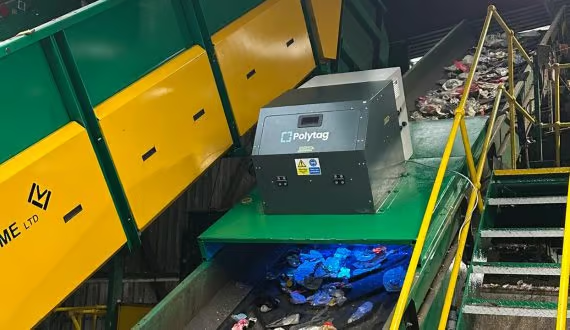
Polytag expands UV packaging tracking network into Scotland
With UV-tagged packaging, brands get targeted visibility into product recovery in Scotland, a market with distinct collection infrastructure and regulatory frameworks compared with England.
-

SIG, LSDH introduce aluminium-free cartons in France
SIG aims to swap traditional aseptic carton foil for an ultra-thin polymer-based barrier that protects oxygen-sensitive drinks like juices, plant-based beverages, and creams.
-

Turuq Innovations secures seed funding to expand packaging services
EnterpriseAM, citing co-founder Ahmed Atta, reports 300+ merchants served since launch, with about 90–100 active at any time.
-
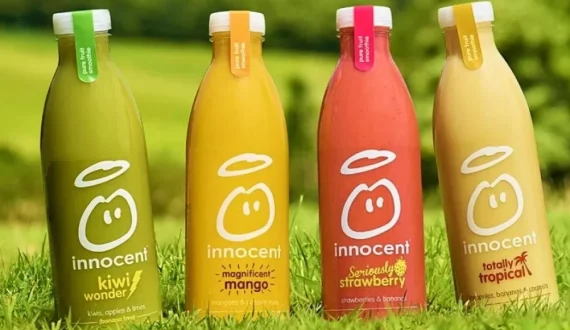
Innocent Drinks tests edible seaweed packaging in consumer pilot
According to Notpla, the Innocent project was limited to a two-day activation, with no intention to sell Ooho-pod shots at retail, the format currently fitting events and brand demos where pods are produced fresh and consumed within days.
-
Silgan profit dips as acquisition charges offset packaging sales gains
The company took on US$10.3 million in announced-acquisition costs, with rationalisation charges climbing from US$7.2 million to US$17.1 million, more than double.
-

Proparco lends US$5.9M to SOGUIPAL for yoghurt production, packaging expansion
Covering filling machines and packaging materials for Best Yaourt’s retail formats, the investment lets the company scale output while preserving hygiene and product integrity across distribution.