

Packaging
-

Ghana to confiscate banned styrofoam cargo from January 2027
Focusing on the border instead of retail, authorities aim to close a loophole letting importers bypass local bans with prohibited packaging materials from abroad.
-

Danone to revise plastic bottle recycling claims across Europe
The European Commission said the deal followed talks with the EU’s Consumer Protection Cooperation network, led by the Swedish Consumer Agency and Hungarian Competition Authority.
-

LEAP India expands packaging portfolio with US$14.9M acquisitions
Through the dual acquisitions, LEAP India signals a vertical integration strategy that captures value across production and reverse-logistics chains.
-

Aldi, Pact Group raise recycled content to 50% in household packaging
Using nearly 800 metric tons of locally recycled resin annually, the project relies on curbside bottles, milk, laundry, shampoo, detergent, processed at Pact’s Circular Plastics Australia facility in Melbourne.
-
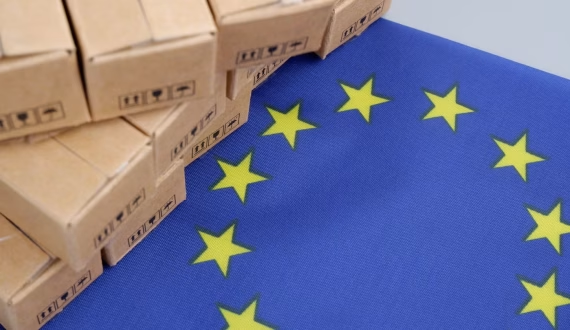
EU delays PPWR labeling rules to second quarter of 2027
It sets EU-wide packaging and waste-receptacle labelling rules, helping consumers sort waste, spot reusable and DRS-covered packaging, and see recycled and bio-based content.
-

Hivest Capital Partners acquires recycled paper producer Sustana
Hivest will work with management on an operational excellence programme covering mill reliability, safety, procurement, and raw material/energy efficiency.
-
Duni Group profits tumble 71.4% as logistics costs outpace sales growth
For packaging manufacturers, Duni’s quarter captures the tension between sustainable product investment and immediate margin compression driven by elevated freight and operations costs.
-
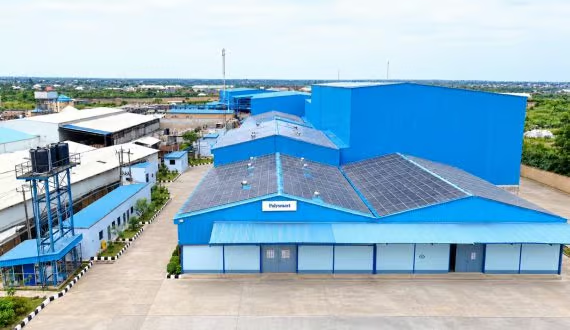
Polysmart clears US$4.3M debt ahead of US$60M recycling plant launch
Operating under FDA- and EFSA-approved processes, the facility’s output can enter food-contact packaging applications requiring stringent purity standards.
-

Ball Corporation shifts leaders for Americas, EMEA beverage packaging
As aluminium packaging competes with PET and glass across beverage categories, the leadership reshuffle puts a premium on regional execution to retain contracts with major bottlers and brand owners.
-

Swaay Technologies secures US$2.35M to replace can labels with direct printing
Removing labels tackles a rising European regulatory burden: national deposit return schemes demand material separation and label compatibility checks, while varying jurisdictional rules fragment production planning.