

Plastics
-
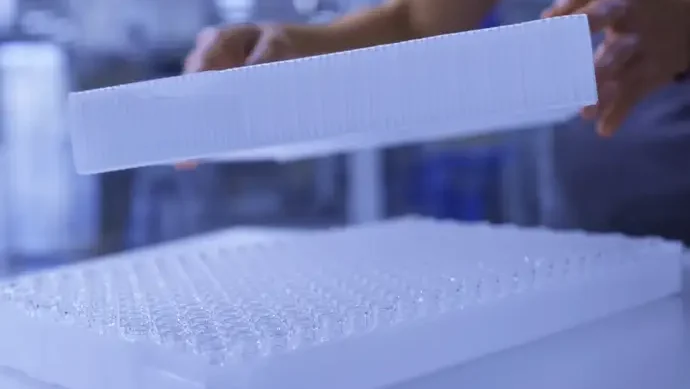
SCHOTT Pharma, Takeda, Corplex cut vial tray emissions by 50% with closed-loop PP recycling
The closed-loop system recirculates high-quality PP at the same grade, keeping tray waste out of downcycling, incineration, and landfill while reducing reliance on fossil-based virgin PP.
-
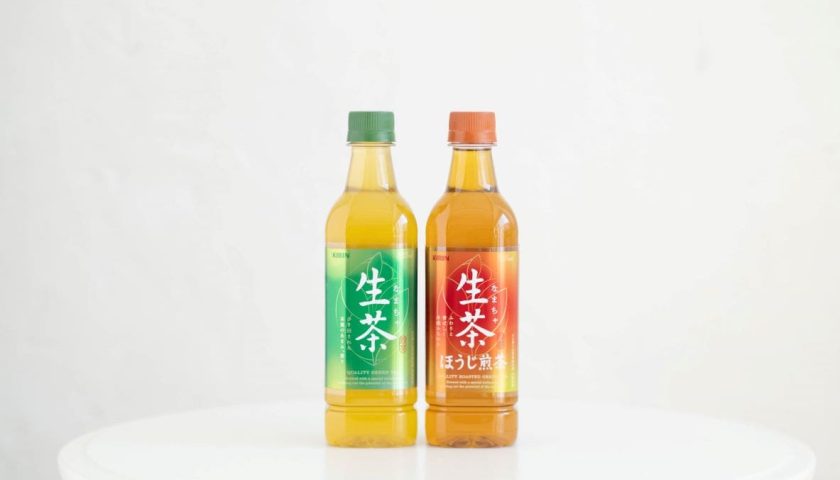
Kirin, JSW achieve 95% PET depolymerization with 250 kg/h chemical recycling process
The achievement advances the Kirin Group’s Environmental Vision 2050 goal of creating a society that circulates containers and packaging sustainably.
-
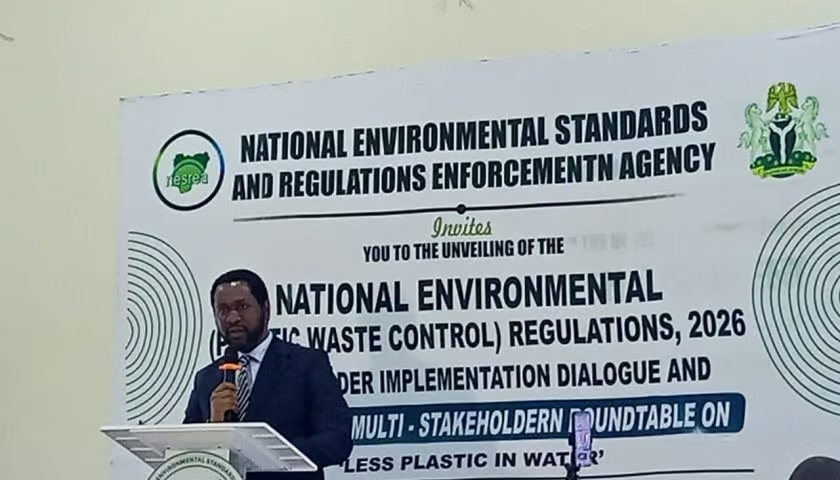
Reps Panel proposes phased plastic ban with green tax, EPR
Recommendations: phased legislation, harmonised state/federal rules, enforcement, recycling incentives, and retooling aid for firms and workers.
-
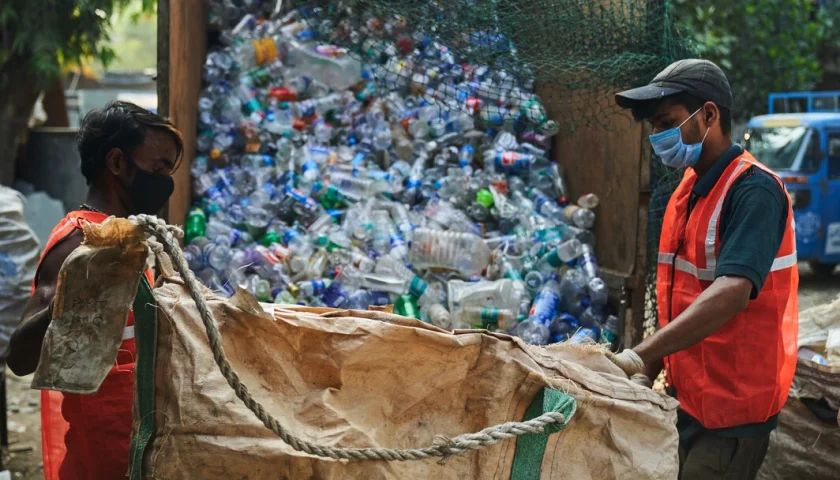
India’s plastic recycling market to grow 9-11% annually demand rises: Association of Plastic Recyclers Bharat
Association Director General Shailendra Singh said the recycling ecosystem has transformed significantly over the past decade, driven by more investment and world-class technology.
-
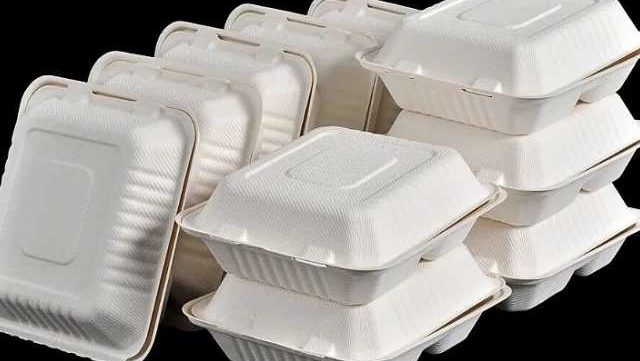
Ghana’s EPA: Styrofoam ban signals wider plastic crackdown
EPA’s Professor Ayamga-Adongo cautioned importers against fresh styrofoam orders, warning that post-deadline consignments will be confiscated and legal action taken.
-
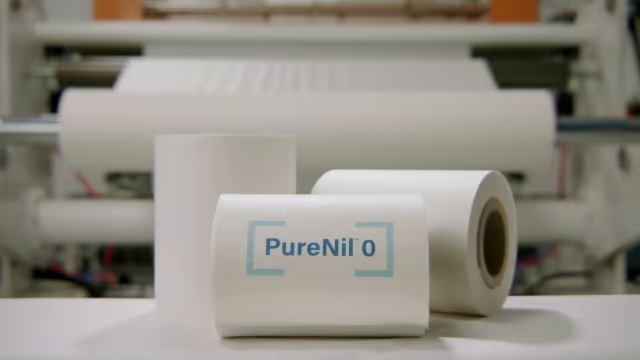
SmartSolve unveils bio-based pouch film that dissolves without microplastics
PureNil 0 is designed for dishwasher pouches, laundry sachets, single-dose cleaning sticks, toilet cleaner sachets, drain treatments, and refill pouches for multi-surface cleaners.
-
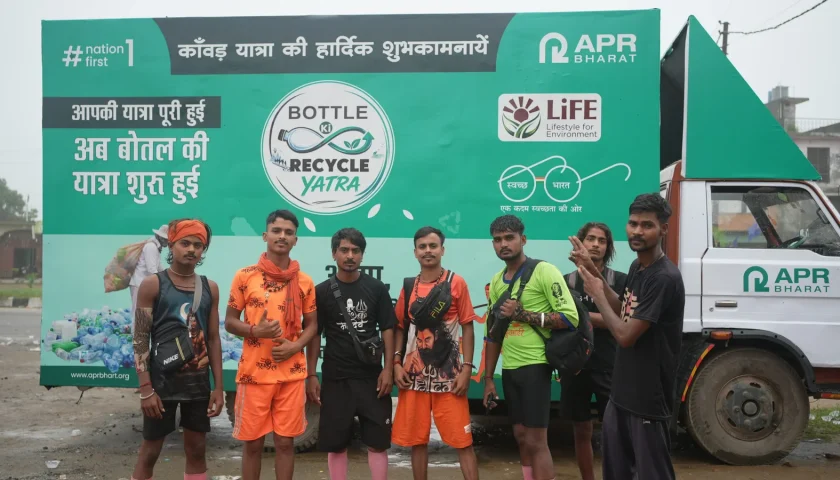
APR Bharat’s 15-day campaign reaches 1M Indians, collects 50,000 bottles
The initiative comes as India pushes to boost domestic production of over 200 petrochemical items. APR Bharat says transitioning to recycled PET is key to resource security, cutting imports, and building a resilient packaging supply chain.
-
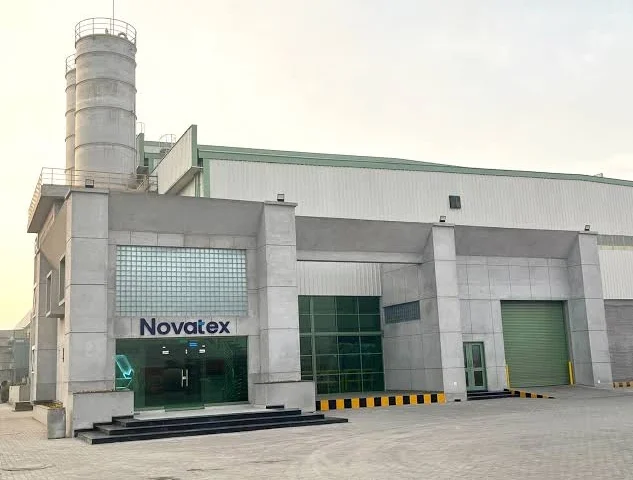
Novatex’s new 24,000T Lahore rPET plant targets Pakistan’s 4-9% recycling gap
The plant processes post-consumer PET bottles, mainly from Pakistani municipal kerbside collection, with output used in its own preform production or sold locally and abroad.
-
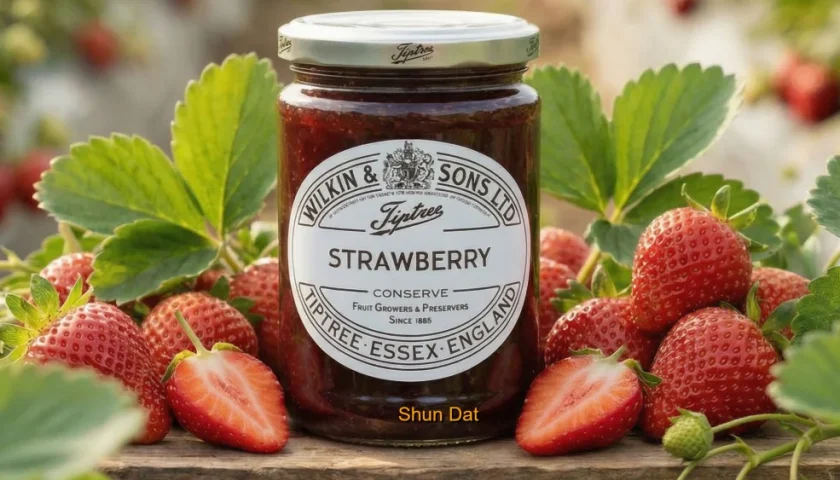
UK plastic tax revision drives Tiptree’s switch to Amcor’s certified 30% PCR films
Tiptree chose the two films for their independently certified PCR content, supporting sustainability reporting and ensuring traceability through monitored production.
-
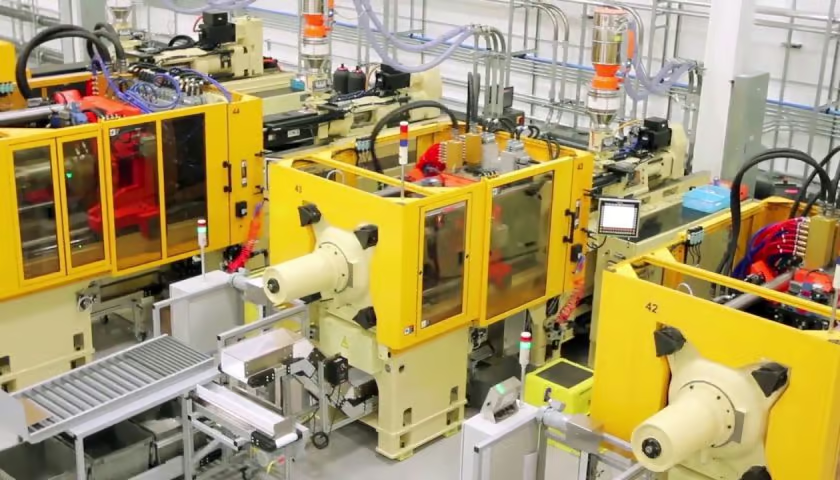
TPL Plastech’s board to review merger into 74.86% parent on Aug 26
With Time Technoplast already holding 74.86% of TPL Plastech, the merger will fold the subsidiary’s industrial packaging business directly into the parent company’s broader portfolio.