

Plastics
-
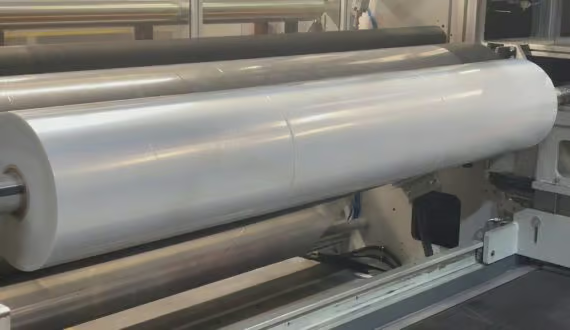
Alliance Report: 30% recycled film content possible from household plastic waste with advanced mechanical recycling
The study also found that chemical recycling will be complementary to advanced mechanical recycling, with each targeting different fractions of the flexible waste stream and different end-uses, particularly multi-material films for food-contact applications.
-
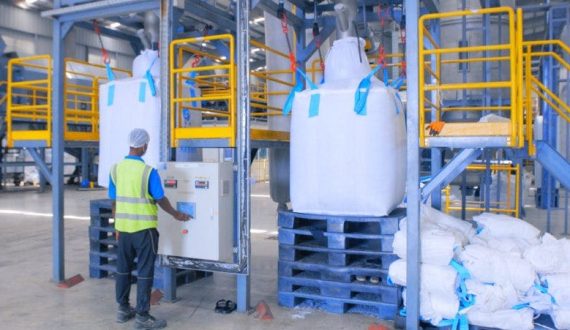
Nigeria’s 25-50% local rPET mandate from 2028 to drive domestic recycling, packaging reform
The requirement for locally sourced recycled PET, from certified food-grade producers, is specifically intended to grow Nigeria’s domestic collection and recycling capacity, support local recyclers and reduce dependence on imported alternatives.
-
EU’s BPA food packaging ban takes effect July 2026 with 2028 extension for acidic canned goods
A transition period lasting until 20 July 2028 applies to single-use food contact articles using varnishes and coatings manufactured with BPA, particularly packaging for preserving fruits, vegetables and processed fish products where acidic contents require BPA-based internal coatings to prevent metal corrosion.
-

NESREA’s plastic packaging regulations defended as 25-50% rPET mandate reshapes Nigerian policy
NESREA confirmed the regulations would not impose immediate disruption, with mandatory recycled PET content beginning at 25 per cent on 1 January 2028 and increasing to 50 per cent from 1 January 2030.
-
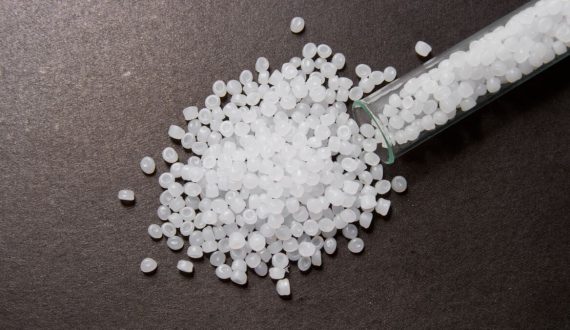
India extends US$200.66/MT PET resin anti-dumping duty on Chinese imports for five years
The authority found that imports from China continued to rise at a substantial pace despite the existing duty, while Chinese imports continued to undercut domestic prices, affecting profitability and competitiveness of Indian producers.
-
Oman’s fifth plastic bag ban phase targets furniture, gold, auto dealerships from July 1
The Environment Authority has called on business owners and consumers to comply and expand the use of sustainable alternatives such as cloth or paper bags.
-

Ghana plastic manufacturers demand US$95M bailout or 2030 deadline for polystyrene ban
GPMA President Ebbo Botwe stated in a petition to the EPA that the sector’s capital investments in plants and machinery total GH¢1.493 billion (US$95 million), which would be rendered obsolete under the current timeline.
-
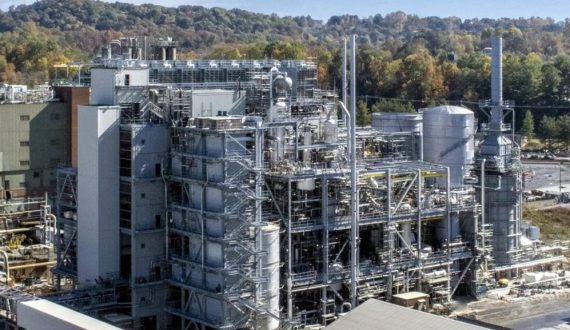
BlueAlp, LBC secure US$1.56M EU grant for Rotterdam chemical recycling FEED study
BlueAlp’s patented pyrolysis technology converts post-consumer mixed plastic waste into pyrolysis oil through a continuous process, achieving Technology Readiness Level 9 maturity.
-
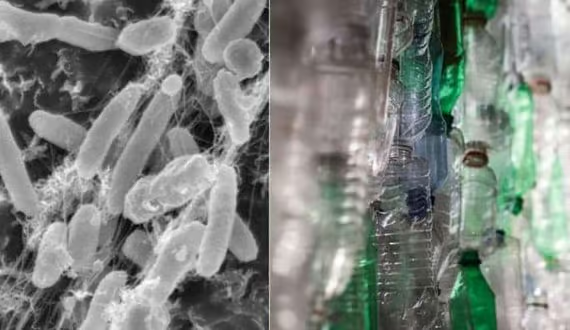
Cairo University’s 26.8% PVC bacterial degradation breakthrough for bioremediation, recycling
The Egyptian bacterial consortium provides a scalable biological pathway for tackling one of the most problematic plastics in the recycling stream, offering a nature-based alternative to energy-intensive chemical recycling processes.
-

MAN opposes NESREA’s 80-micron single-use plastic ban over job, investment risks
MAN cited international experience, noting that Kenya’s 2017 ban on thin plastic bags led to factory closures and job losses, yet banned bags continue to circulate through smuggling and cross-border trade.