

Plastics
-
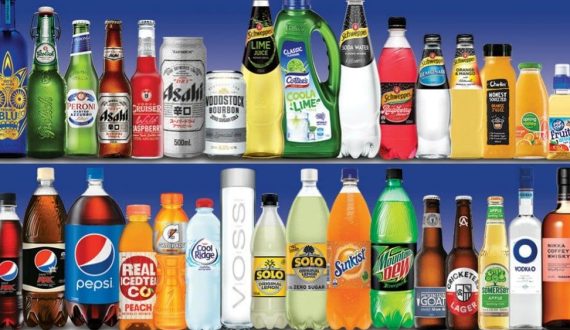
Asahi transitions Australian drinks to 100% recycled PET
The shift was backed by investment in container deposit schemes and two PET recycling facilities under the Circular Plastics Australia (PET) joint venture, involving Cleanaway, Pact Group, and Coca-Cola Europacific Partners.
-
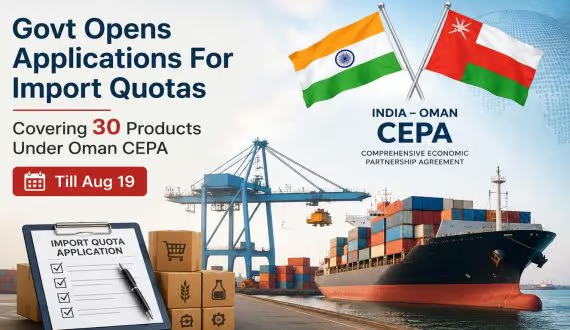
India opens duty-free and cut-rate import quotas for medical-grade polymers under Oman CEPA
The TRQ framework cuts or phases out tariffs on set import volumes, letting domestic manufacturers source key raw materials at lower or zero duty.
-

Go-Pak’s new 100% rPET Clarity Cups beat UK plastic tax, green RAM rating
The green RAM rating is a key UK market differentiator, as packaging producers must prove recyclability to lower EPR costs and dodge penalties.
-

HAHN Plastics appoints Rob Pietrzak as Finance Director amid UK site modernisation drive
Pietrzak’s expertise is expected to be key to achieving those ambitions, and Cardona added that his collaborative style and focus on continuous improvement make him an excellent leadership team addition.
-

UK’s FPA urges evidence-based packaging reform as US$36B sector faces overlapping EPR, DRS, plastic tax compliance burdens
The association: future rules must be based on life cycle evidence and system impacts, not material assumptions.
-
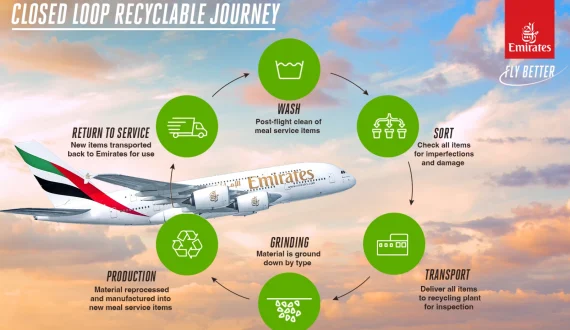
Emirates’ new closed-loop recycling, upcycling programs turn aircraft waste into new meal trays, student-designed products
The deSter partnership enables large-scale UAE recycling, lowering carbon footprint by avoiding international transport of recyclable materials.
-
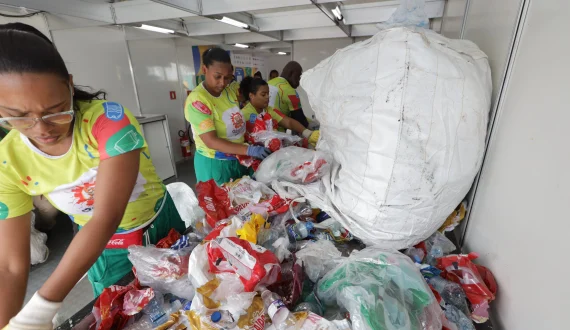
10B bottles collected: Plastic Bank’s 68,500 collectors prove waste is currency
Despite the milestone, CEO David Katz stressed that the challenge persists, an estimated 11 million tonnes of plastic enter the oceans each year, equivalent to a refuse truckload every minute.
-
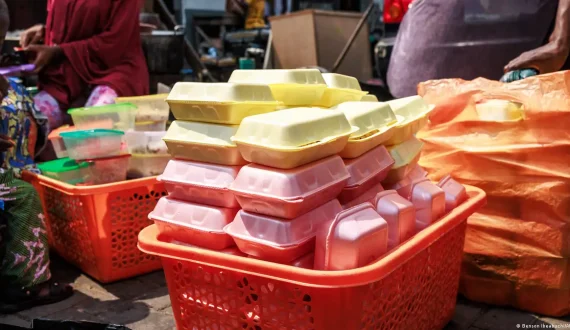
Ghana Medical Association demands comprehensive ban on single-use food packaging plastics for public health
If paired with affordable sustainable alternatives and proper enforcement, the broader ban would improve waste collection, recycling, and public education, while cutting plastic pollution and creating cleaner cities.
-
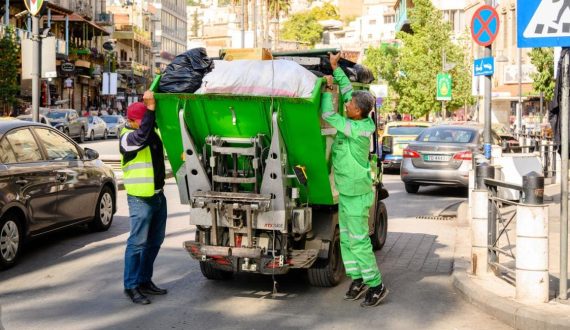
Jordan’s Environment Ministry signs recycling, packaging agreements with Al Ameed Coffee, Islamic Scientific College Alumni Club
The partnership includes implementing joint awareness campaigns, distributing reusable cloth and vehicle bags, installing recycling bins at the company’s branches, printing environmental messages on packaging materials, and using QR codes to provide educational environmental content to consumers.
-
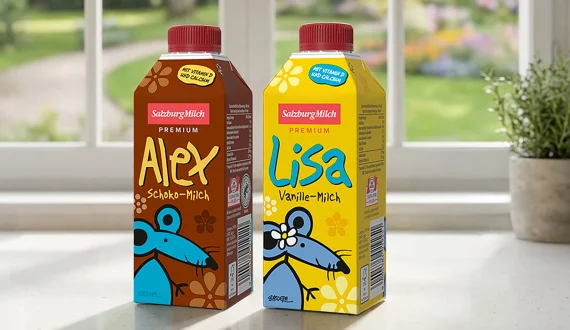
SalzburgMilch debuts Europe’s first SIG DomeMini carton bottle with 80% less plastic in Austria
The pack reduces plastic by more than 80 percent compared to traditional plastic bottles, a significant reduction that addresses growing consumer concern about single-use plastic packaging in the beverage sector.