
FEATURES, INTERVIEWS & REPORTS
-
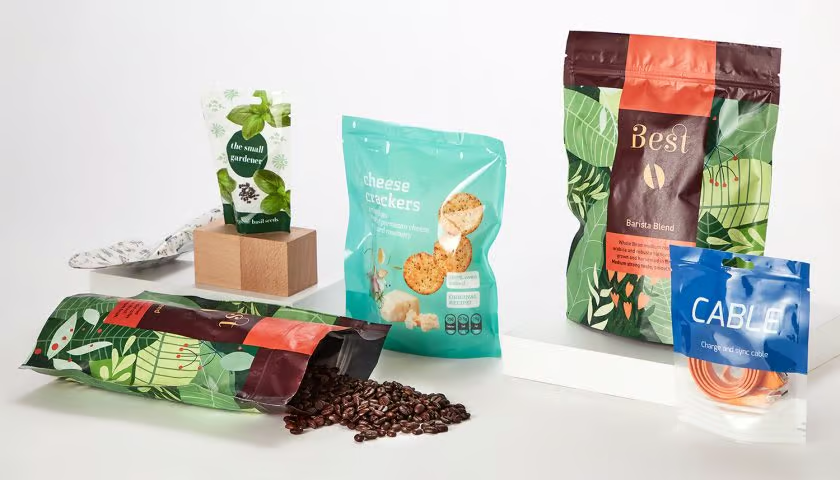
India flexible packaging market to reach US$58.29B by 2035: Market Research Future
FMCG growth in urban/rural India drives sachets, pouches, lightweight packs—especially in Tier-2/3 cities where affordability rules.
-
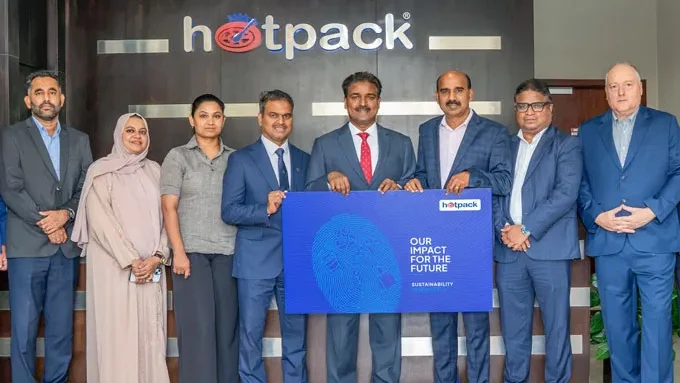
Hotpack validates 96% of packaging portfolio as environmentally friendly
The 97th-percentile global score demonstrates progress, said Hotpack founder/MD/group CEO Abdul Jebbar PB, sustainability is now integral to the company’s operations, innovation, and growth.
-
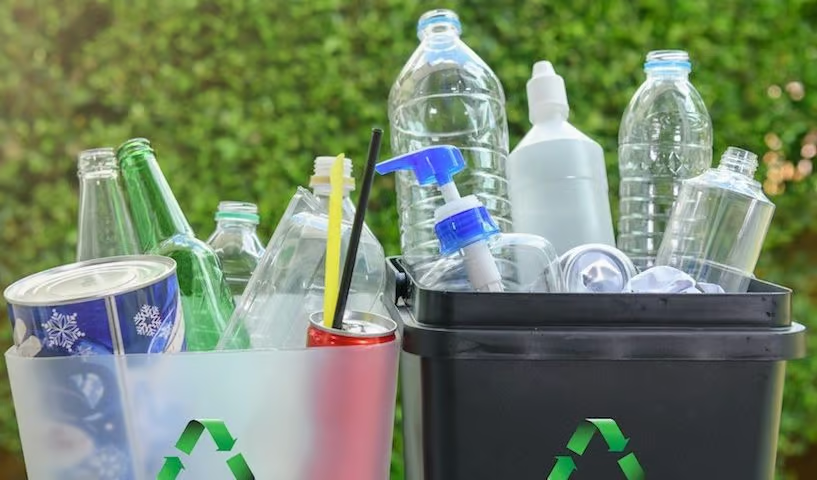
Alliance to End Plastic Waste cuts 138,000T through circularity programs
Each Country Program, in Brazil, the GCC, India, Indonesia, and South Africa, addresses key collection, sorting, and recycling infrastructure gaps aligned with national goals, backed by at least $100M in co-financing.
-
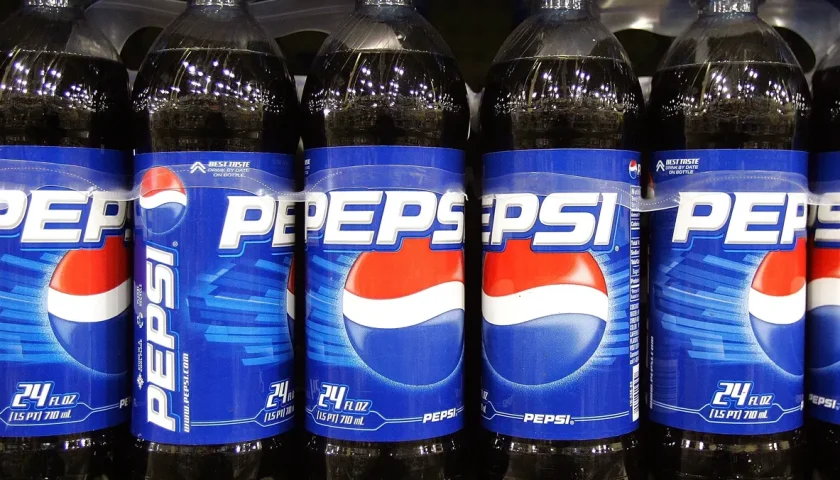
PepsiCo India cuts virgin plastic use in packaging by 6%: ESG update
To reduce material and boost recyclability, the company is shifting foods packaging to mono-material/polyolefin structures and select products to 100% rPET bottles.
-
Camelot revenue rises 31.5% as flexo printing leads growth in FY2026
Camelot’s GH¢36.97M ($3.57M) revenue demonstrates specialised printing’s outsized returns potential in emerging African markets, particularly with expanding consumer goods.
-
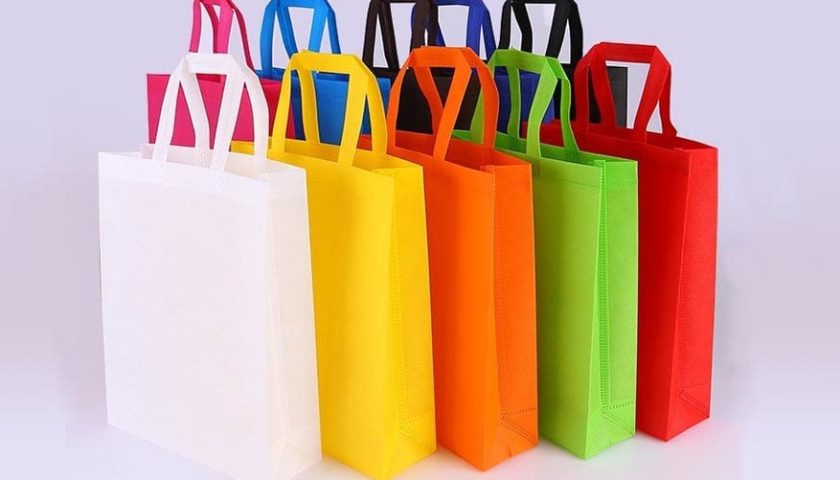
Market Research Future projects Nonwoven Packaging to reach US$88.7B by 2035
Sustainability shapes the industry: consumers fret over packaging waste, businesses seek green materials, and nonwoven packaging made from natural, recycled, or biodegradable fibres fills gaps where conventional options hurt the environment.
-
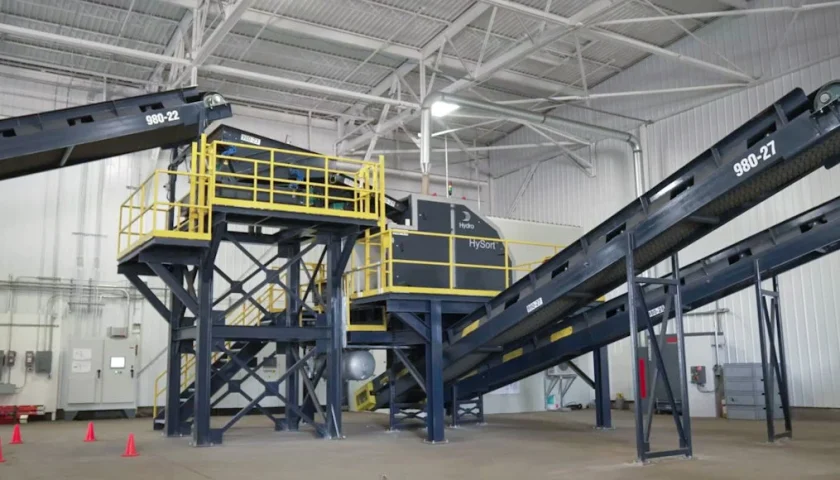
US$2.3B aluminium scrap value locked as weak markets hinder sorting: WBCSD
Beyond technology, the value chain is misaligned, collectors can’t see manufacturer needs, recyclers face uncertain demand, and manufacturers lack sufficient traceable secondary aluminium.
-
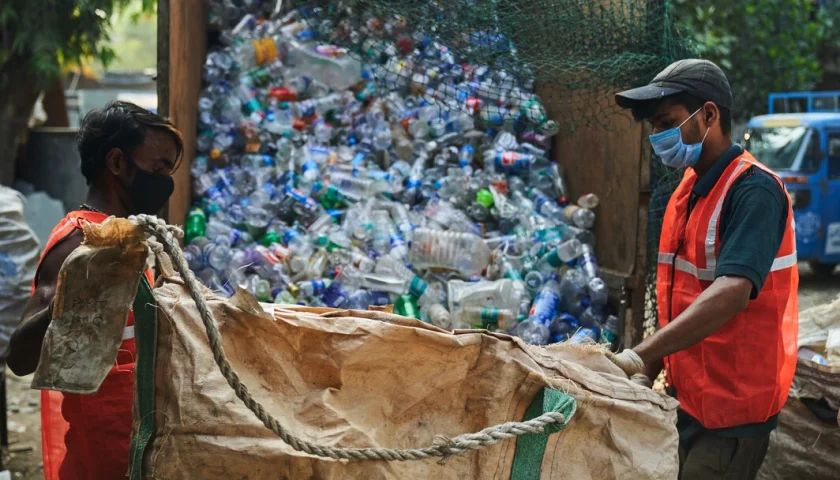
India’s plastic recycling market to grow 9-11% annually demand rises: Association of Plastic Recyclers Bharat
Association Director General Shailendra Singh said the recycling ecosystem has transformed significantly over the past decade, driven by more investment and world-class technology.
-
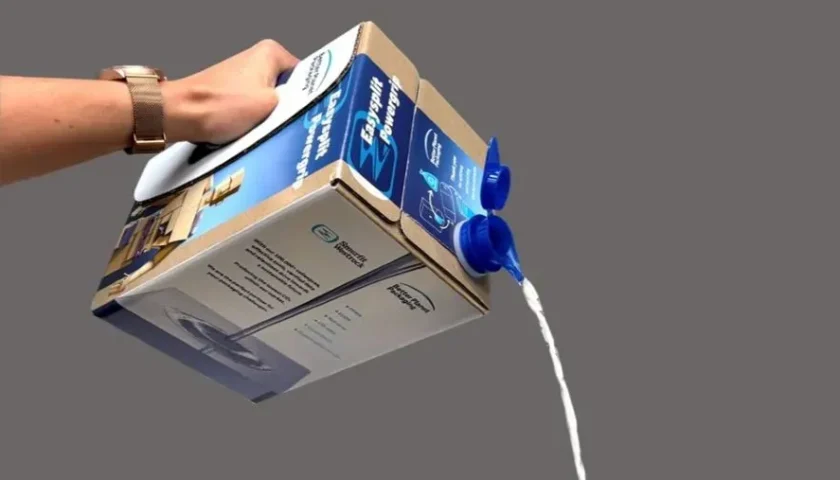
Smurfit Westrock study finds up to 97% of consumers separate bag-in-box packaging for recycling
The results suggest consumers are more willing to recycle when packaging is intuitive and easy to sort.
-
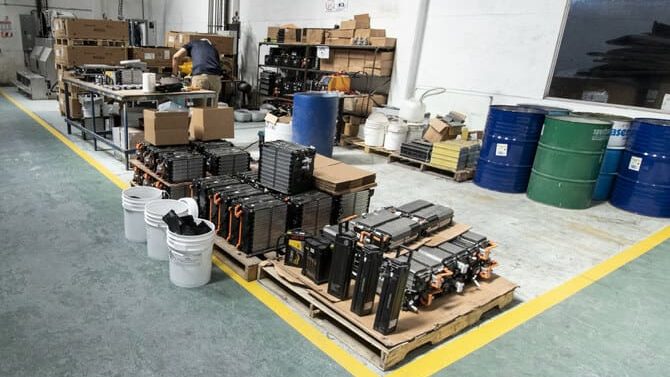
Ericsson recycles 5,000MT of end-of-life e-waste, metal recovery in Saudi Arabia
The equipment is processed by Ericsson-approved recyclers, fully licensed, with strong recycling performance and compliance with international environmental, health, and safety standards.