

Ericsson recycles 5,000MT of end-of-life e-waste, metal recovery in Saudi Arabia
The equipment is processed by Ericsson-approved recyclers, fully licensed, with strong recycling performance and compliance with international environmental, health, and safety standards.
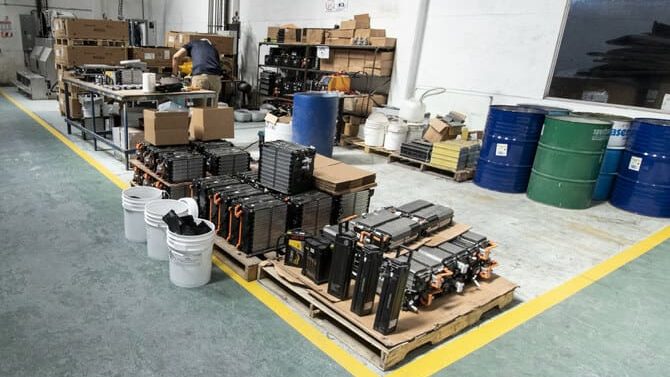
SAUDI ARABIA – Ericsson has collected and recycled nearly 5,000 metric tonnes of end-of-life telecom equipment in Saudi Arabia through its E-Waste Management Program, recovering valuable metals including copper, aluminum and precious metals for reuse in manufacturing.
The program, formerly known as the Product Take-Back Program, supports the collection, decommissioning, transportation and recycling of network equipment that has reached the end of its lifecycle.
In the past two years alone, more than 1,160 metric tonnes of equipment were recycled through the initiative.
The equipment is handled by Ericsson-approved recyclers that hold the required licenses and have a proven track record of high recycling performance and compliance with international environmental, health and safety standards.
Circular Economy Impact and Material Recovery
Materials are recycled and recovered in a responsible manner to maximize material recovery and minimize disposal to landfill.
The recovered materials are returned to different manufacturing industries as secondary raw materials, supporting circular use of resources and reducing the need for virgin materials.
According to the International Telecommunication Union, the world generated 62 million tonnes of e-waste in 2022, with only 22.3 percent documented as formally collected and recycled.
Kirsty Fitzgibbon, Head of Marketing, Communications & Sustainability and Corporate Responsibility at Ericsson Europe, Middle East & Africa, stated that managing network equipment at the end of its lifecycle is an important part of reducing waste across the telecom sector.
Saudi Arabia’s Sustainability Goals and Global Program
The initiative supports a more circular approach to telecom infrastructure while contributing to Saudi Arabia’s sustainability goals under the Saudi Green Initiative and Vision 2030.
Launched globally in 2005, the Ericsson E-Waste Management Program is available in 180 countries.
It supports Ericsson’s ambition to achieve Net Zero across its value chain by 2040 and reduce value chain emissions by 50 percent by 2030.
The program is part of Ericsson’s wider commitment to circularity, which includes designing for recyclability, reducing waste and increasing the use of recycled materials in its products.
In 2025, Ericsson reported that 95 percent of its sold products by weight were recyclable, and the company is working to achieve full circularity across its product portfolio.
Subscribe to our email newsletters that provide busy executives like you with the latest news insights and trends from Africa and the World. SUBSCRIBE HERE

Be the first to leave a comment