
Innovations & New Products
-
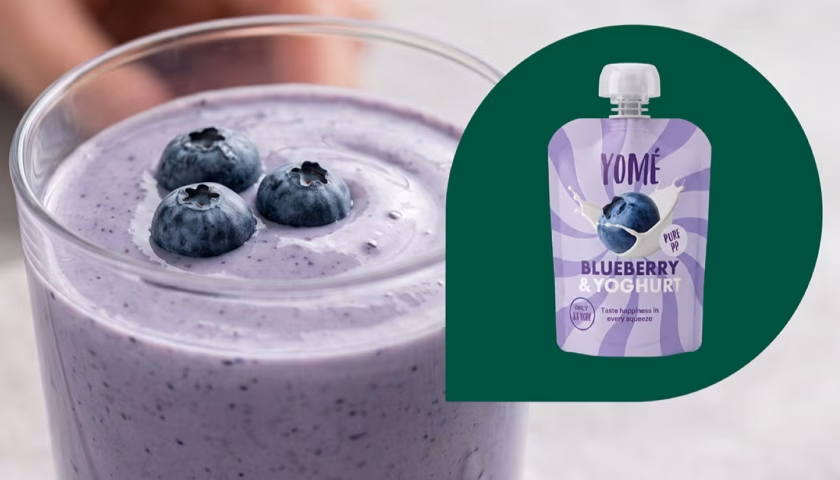
SÜDPACK’s PP spouted pouch film cuts carbon 40% with 95% recyclability rate
The CarbonLite PurePP pouch is designed for cold filling of drinkable yoghurt and dairy products, with films treated by UVC or hydrogen peroxide to reduce microbial load.
-
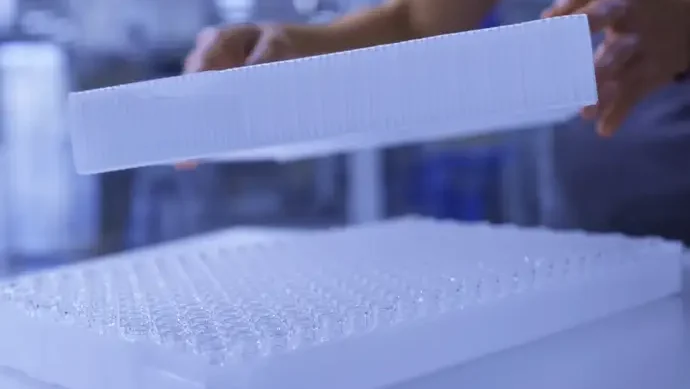
SCHOTT Pharma, Takeda, Corplex cut vial tray emissions by 50% with closed-loop PP recycling
The closed-loop system recirculates high-quality PP at the same grade, keeping tray waste out of downcycling, incineration, and landfill while reducing reliance on fossil-based virgin PP.
-
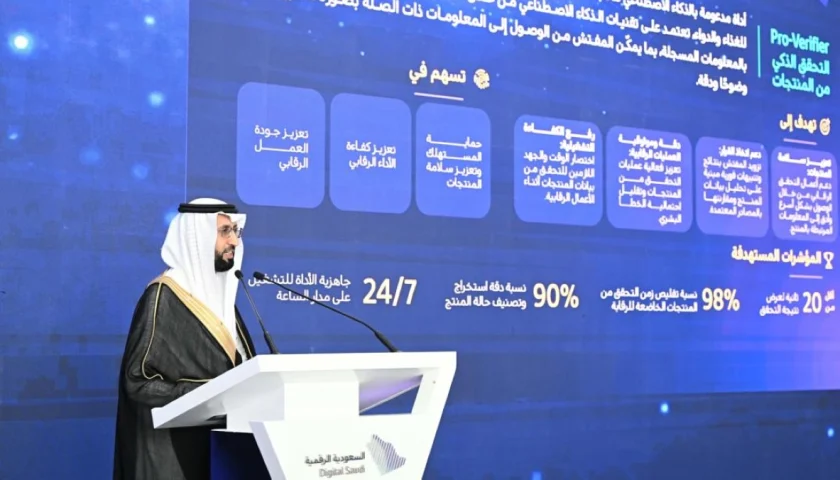
SFDA’s new AI tool verifies packaging in seconds, cutting inspection time by 98%
The tool standardises verification, cuts operational load, improves product safety, and speeds up clearance at entry points.
-
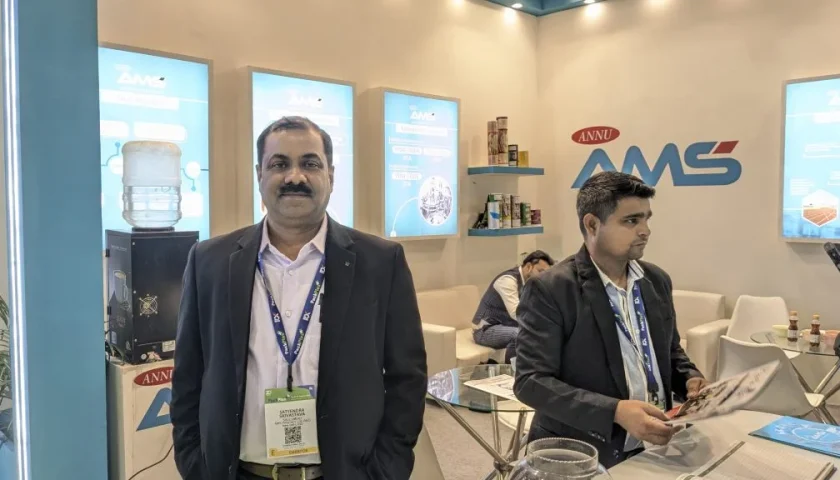
AMS Polymers enters flexible packaging adhesives market with capacity expansion plans
With its move into flexible packaging adhesives, AMS Polymers enters a growing Indian market shaped by BASF, Henkel, 3M, and H.B. Fuller.
-
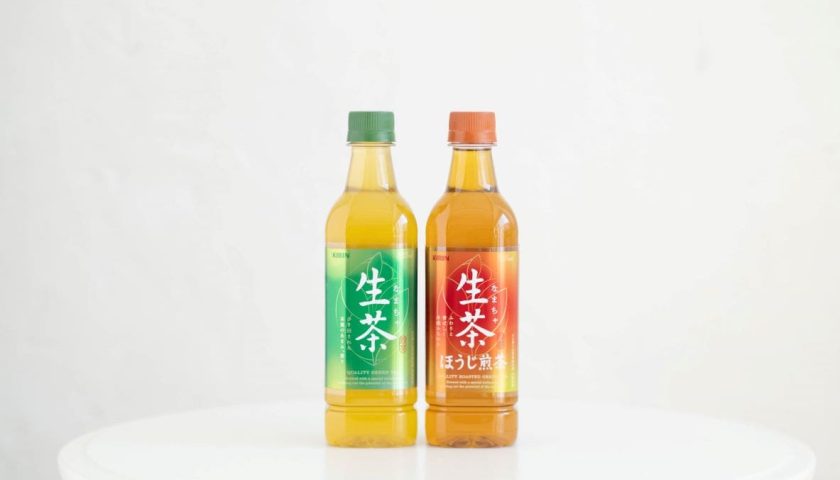
Kirin, JSW achieve 95% PET depolymerization with 250 kg/h chemical recycling process
The achievement advances the Kirin Group’s Environmental Vision 2050 goal of creating a society that circulates containers and packaging sustainably.
-

Indorama Ventures, REBHAN launch glass-like PET packaging for premium beauty brands
REBHAN’s premium packaging know-how plus Indorama’s PET materials and support helps beauty brands deliver distinctive, sustainable designs to market.
-
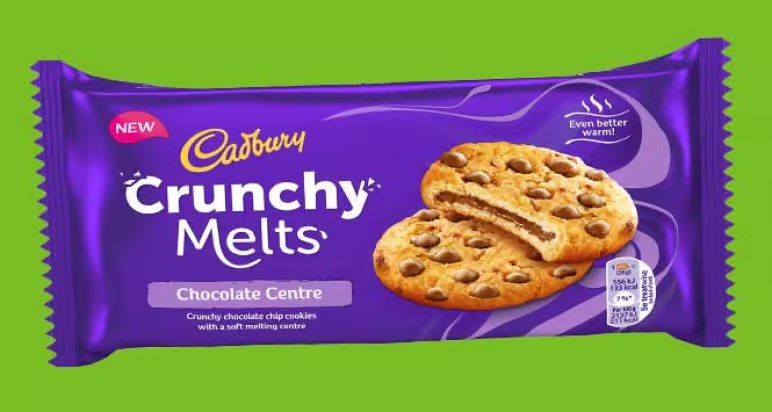
Mondelēz replaces PET cookie trays with FSC Paper, Cuts 2,200T of plastic
The paper tray was extensively tested to ensure product protection and shelf life, offering cookie durability during transport and display while reducing virgin plastic use.
-
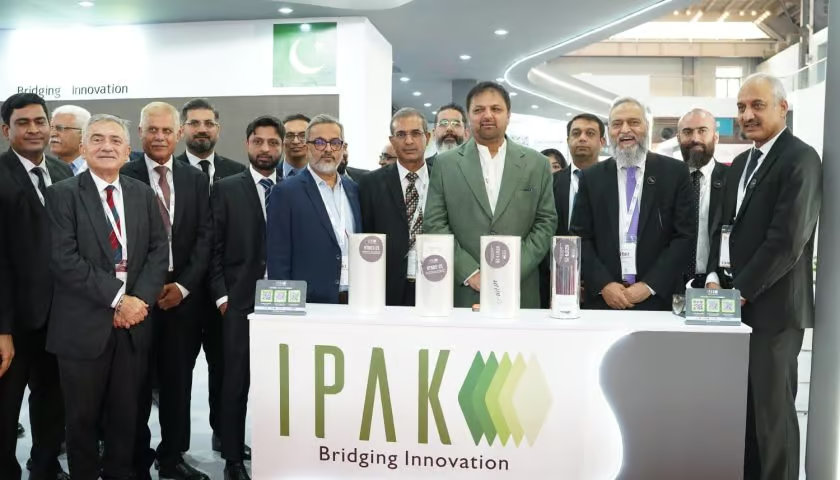
IPAK unveils next-gen packaging films with AlOx barriers, mono-recyclable solutions
The launch marks IPAK’s entry into specialised, higher-value applications, helping Pakistani manufacturers diversify exports, boost foreign exchange, and cut reliance on imported packaging.
-
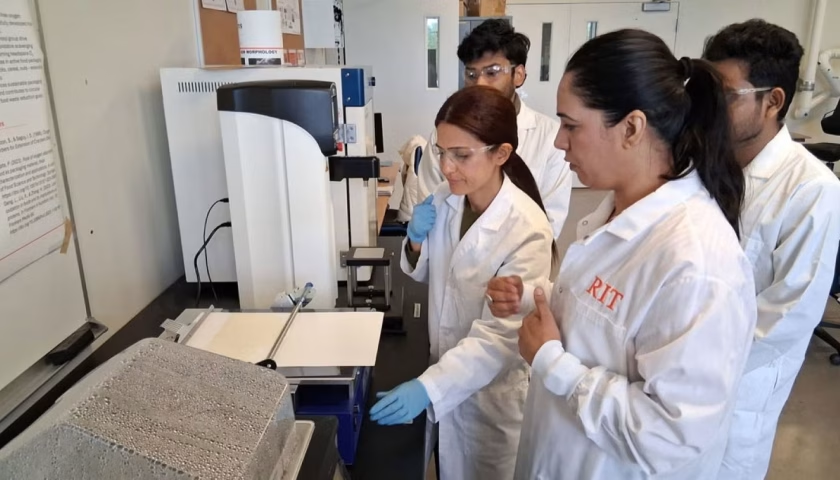
RIT new starch coating boosts paper packaging recycling, printability
The starch-based coating makes paper packaging recyclable or compostable while retaining protection, cutting plastic waste and advancing circular economy goals.
-
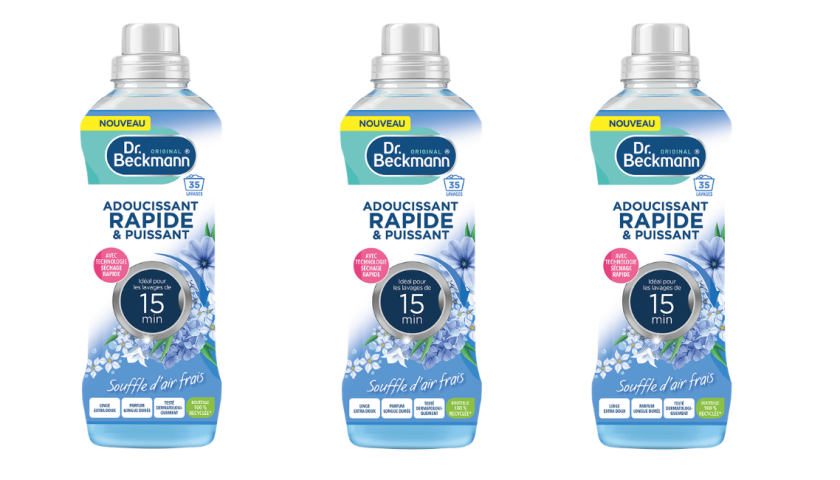
Coveris innovation slashes sleeve material by 30%, cuts steam use for Dr Beckman
On PET bottles, the sleeve separates from the denser PET to preserve bottle-to-bottle recycling. With HDPE containers, it forms a compatible polyolefin structure.