
India
-
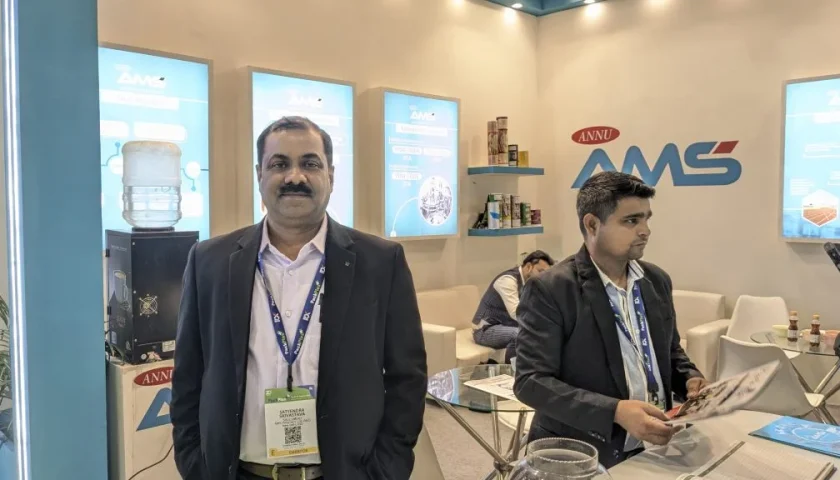
AMS Polymers enters flexible packaging adhesives market with capacity expansion plans
With its move into flexible packaging adhesives, AMS Polymers enters a growing Indian market shaped by BASF, Henkel, 3M, and H.B. Fuller.
-
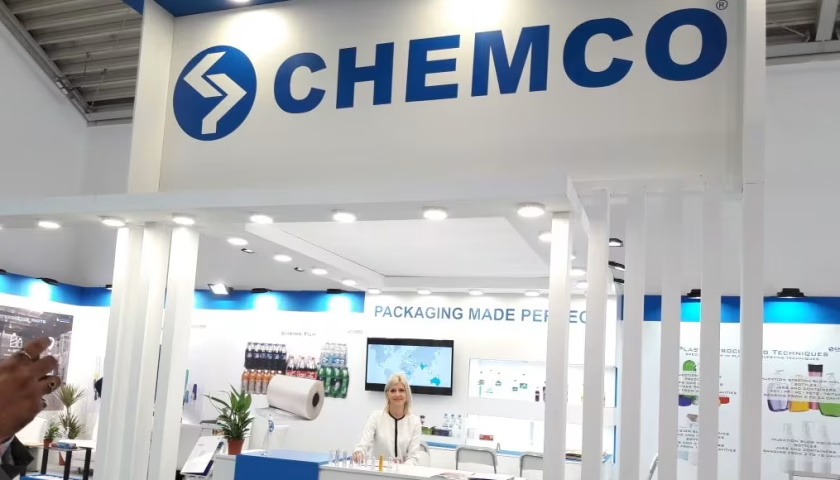
Packaging supplier Chemco plans US$180M IPO to fund capex, reduce debt
The proposed Chemco IPO would be a major packaging sector offering in India, adding to a growing list of manufacturers tapping strong investor demand for industrial listings.
-
Syensqo to double India compounding capacity by 2028 for auto, packaging
The new compounding line will process Ryton® PPS, KetaSpire® PEEK, Amodel® PPA, and Ixef® PARA, the first asset in a modular hub designed for flexible production.
-
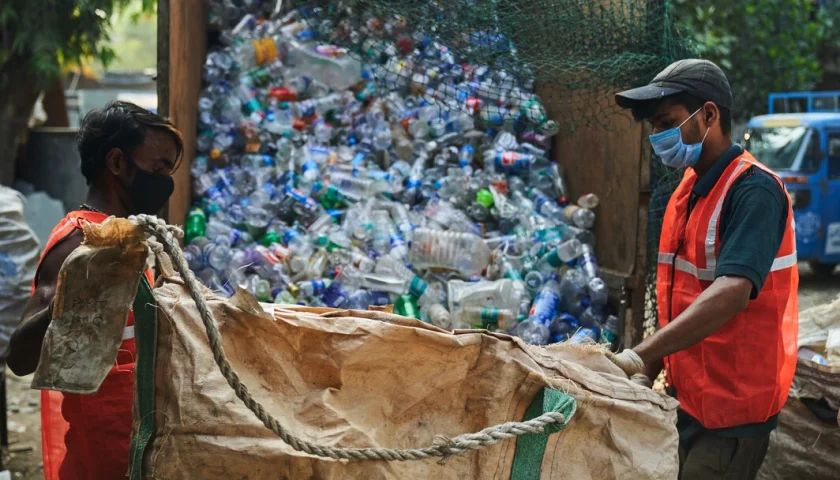
India’s plastic recycling market to grow 9-11% annually demand rises: Association of Plastic Recyclers Bharat
Association Director General Shailendra Singh said the recycling ecosystem has transformed significantly over the past decade, driven by more investment and world-class technology.
-
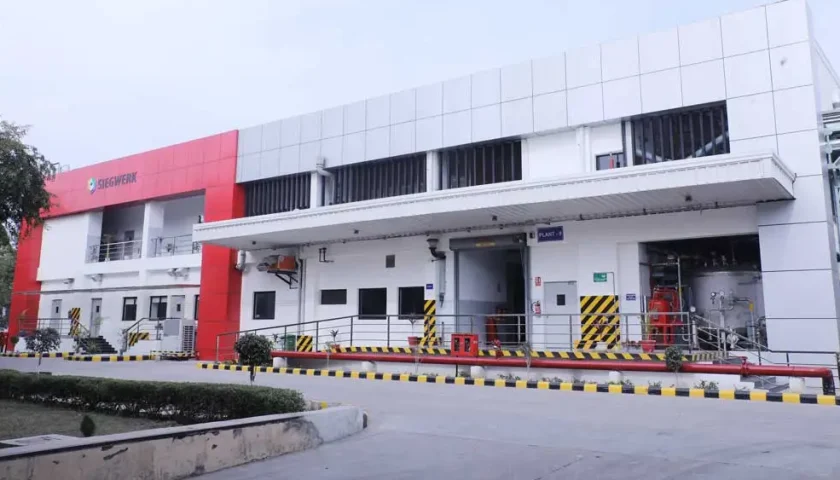
Siegwerk’s new US$75.4M Bhiwadi plant to become global packaging ink hub
With India’s packaging inks market set to grow from ₹7,650cr (US$91.6M) in 2024 to ₹12,650cr (US$151.5M) by 2033 (6.01% CAGR), Siegwerk invests as flexible packaging fuels demand.
-

Blackstone exits EPL with US$243M stake sale as Quant MF doubles holding
The financial leadership transition isn’t expected to disrupt operations, established management systems will maintain continuity in reporting and strategic execution.
-

B&A Packaging CFO Goutamanshu Mukhopadhyay’s tenure ends as successor takes over
The financial leadership transition isn’t expected to disrupt operations, established management systems will maintain continuity in reporting and strategic execution.
-
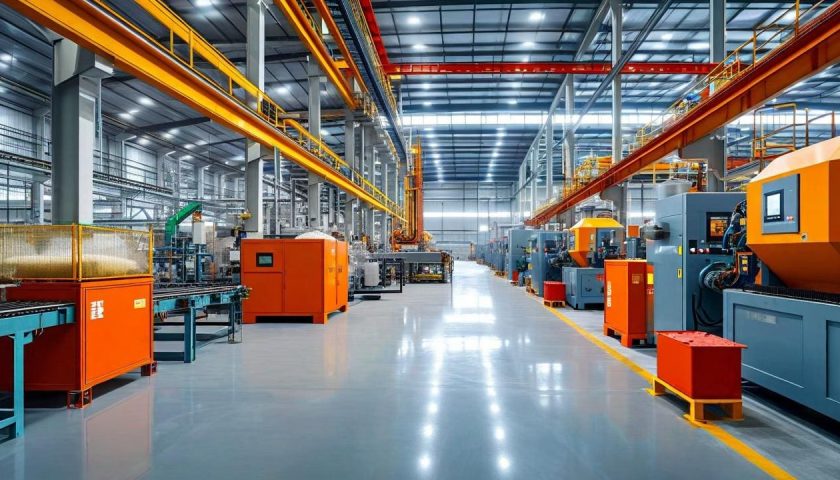
Time Technoplast’s US$14.4M recycling bet transforms packaging giant into circular economy leader
Through high-margin orders and deep backward integration, Time Technoplast is evolving from a traditional packaging supplier into an advanced-materials and circular economy leader.
-
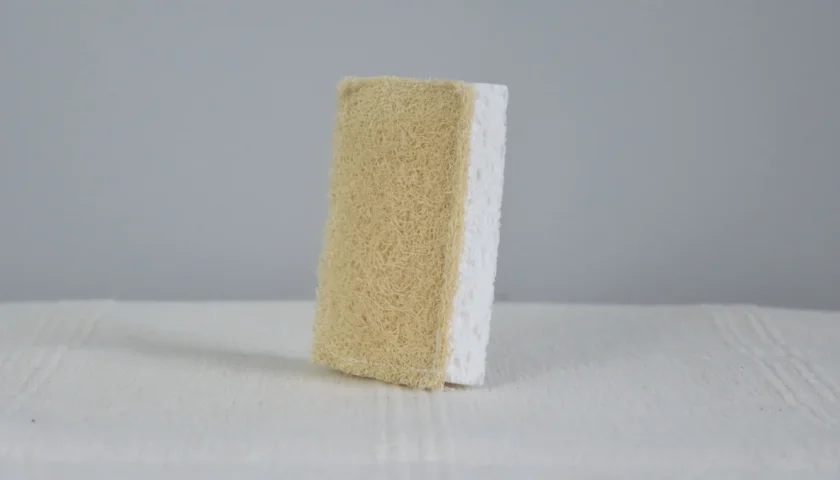
IISc’s bio-based foam moves to market with absolute cold for cold-chain packaging
The cold-chain logistics company is now developing a commercial product from the lab material for temperature-critical storage and transport applications.
-
Bharat PET receives SEBI nod for US$9.1M packaging IPO
In fiscal 2025, the company posted revenue of ₹411.82 crore (US$4.9M), pro forma EBITDA of ₹87.93 crore (US$1.05M), and PAT of ₹50.99 crore (US$0.61M).