

Logistics & Supply Chain
-
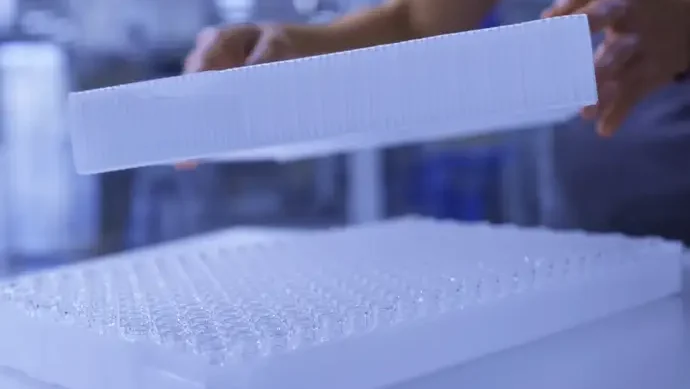
SCHOTT Pharma, Takeda, Corplex cut vial tray emissions by 50% with closed-loop PP recycling
The closed-loop system recirculates high-quality PP at the same grade, keeping tray waste out of downcycling, incineration, and landfill while reducing reliance on fossil-based virgin PP.
-
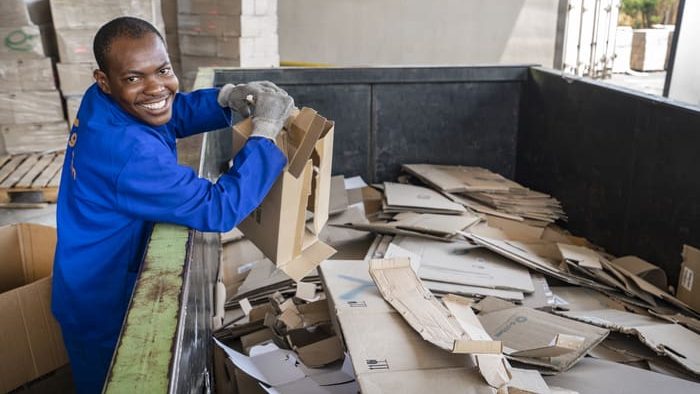
South Africa’s new EPR laws force appliance makers to fund recycling, track e-waste
The regulations support South Africa’s circular economy push, with the draft National Waste Management Strategy 2026 targeting 40–60% landfill diversion over the next 5–15 years.
-

Saudi Petromin’s Egypt expansion to enhance lubricant packaging, blending infrastructure
Aiming to raise local lubricant output and broaden production/packaging/marketing, the new company, run by Technolube Egypt, leverages Petromin’s 1960s-era Egypt track record.
-
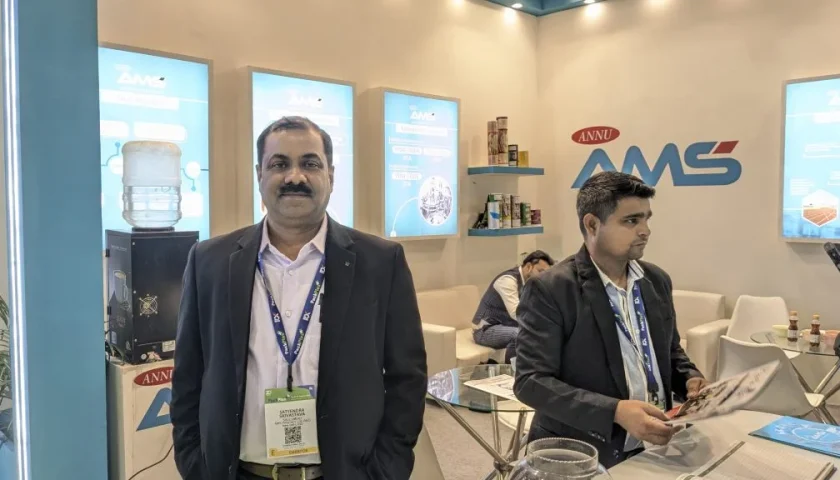
AMS Polymers enters flexible packaging adhesives market with capacity expansion plans
With its move into flexible packaging adhesives, AMS Polymers enters a growing Indian market shaped by BASF, Henkel, 3M, and H.B. Fuller.
-

Heidelberg Materials opens 250,000T Leeds CD&E recycling plant with circular economy focus
The Leeds site is one of several recycling facilities Heidelberg Materials will open in the coming months to boost its CD&E waste processing capacity.
-

Kenya’s Kwale used oil recycling plant faces public review with 20,000L batch capacity
The proposed Kwale/Samburu facility will include ten storage tanks, a 659.68 sq m plant shed, recycling equipment, offices, a QA department, truck parking, a loading bay, and an 8–10 ft boundary wall.
-

Tanzania, US forge pharma packaging hub targeting SADC market of 300M people
Minister Mchengerwa said the government is aligning tax and tariff rules for pharmaceutical raw materials and packaging with EAC and SADC standards, to create a more competitive manufacturing environment.
-

Dadachanji Group launches KAISHA Pharma with US$50M glass packaging investment
The company’s 300,000+ sq ft complex will feature integrated production lines, high-end camera inspection, and advanced analytical/testing laboratories.
-
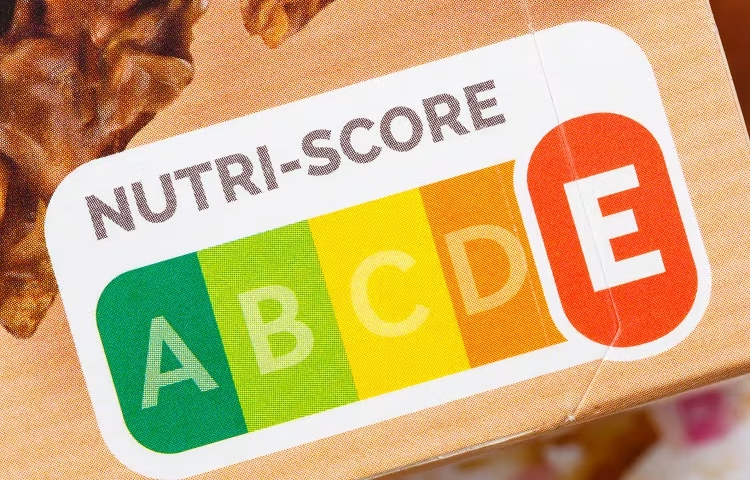
Dubai’s launches new A-to-E packaging grade rates for nutritional accuracy
The classification lets food businesses validate nutritional claims before or after market entry. Accurate information aids regulatory compliance and boosts confidence among regulators and consumers.
-

NASENI’s metal 3D printing hub integrates powder recycling, processes 31,000T of tantalite
Presented in Abuja at NASENI’s event, the hub plans to include digital design, simulation, laser fusion, powder recycling, finishing, and QA facilities.