

Recycling
-
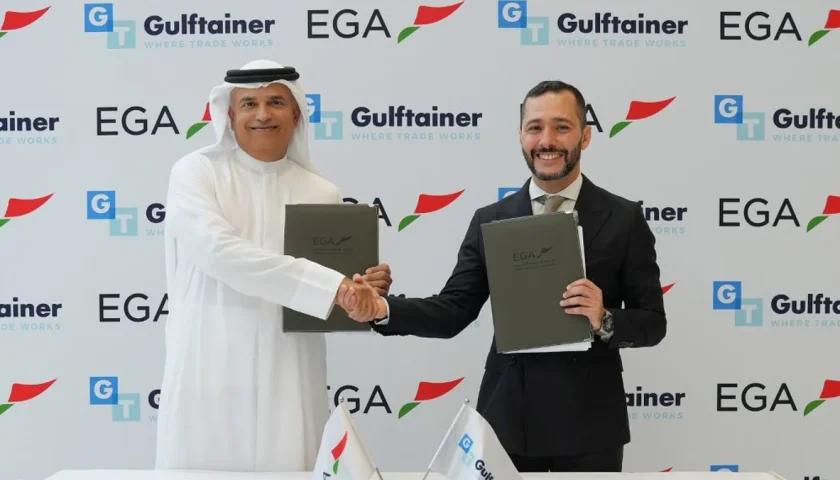
EGA, Gulftainer sign agreement to expand aluminium recycling exports
The agreement is part of EGA’s strategy to strengthen outbound logistics efficiency and resilience, supporting continued growth and its ability to serve customers worldwide.
-
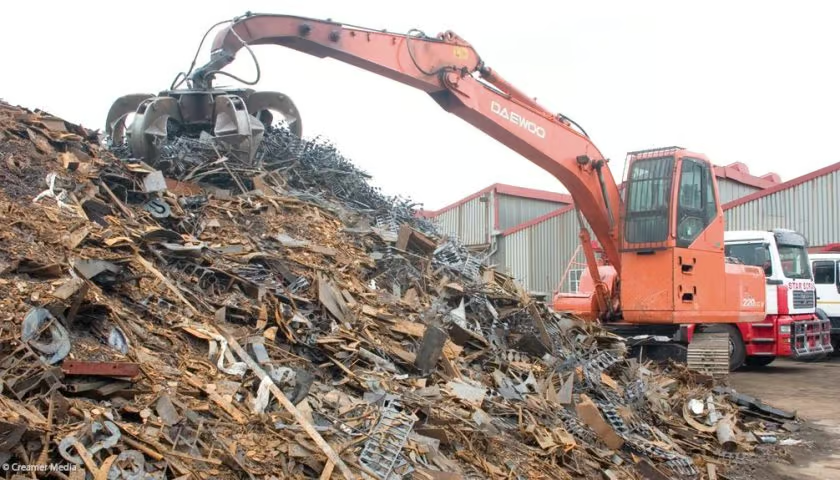
RASA seeks suspension of South Africa’s scrap metal price preference system
Price Preference System: 30% discount + freight to local mills before export, hurts collector earnings, caps buyer prices, says association.
-
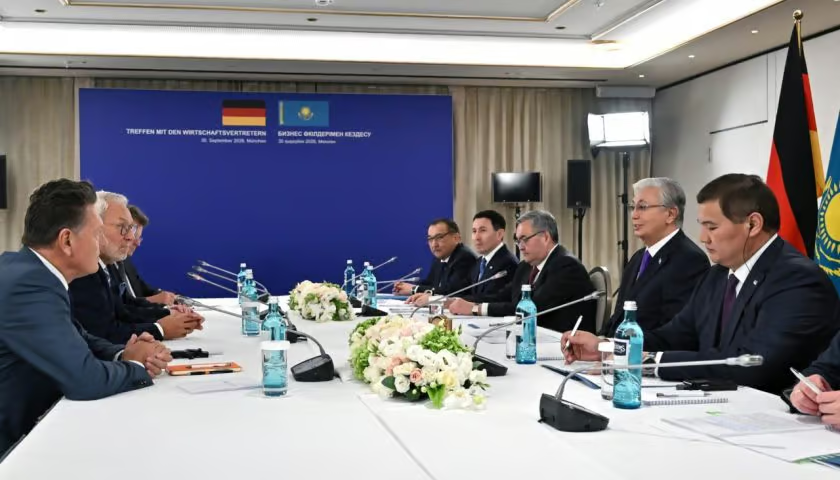
Kazakhstan, Aurubis discuss copper recycling investment projects
Kazakhstan recycling: domestic value over raw exports; recovered copper feeds electrical, construction, packaging machinery supply chains.
-
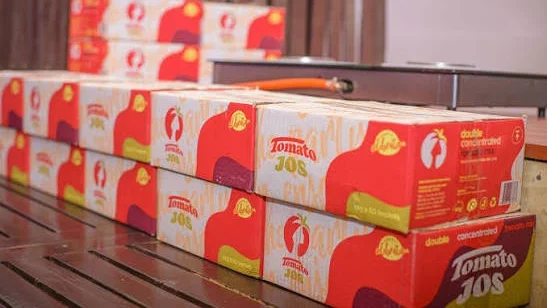
EU commits US$2.5M to expand tomato packaging in Nigeria
This shift demands packaging that can withstand food service distribution, where bulk formats and durable containers must protect product integrity across varied handling conditions.
-

NAW appeals ruling upholding Oregon packaging EPR law
NAW: statute breaches dormant Commerce Clause via distributor burdens; plaintiff: interstate firms must alter supply chains or avoid state.
-

Dodoma allocates US$1.14M for recycling, waste management
The Commissioner condemns plastic/packaging dumping, urges better recycling for city image, echoing East African municipal pressure as packaged goods rise.
-

ISPES partners with Zong to launch PecoDrop Smart Waste Stations
Enabling at-source separation of plastic, paper, and metal, PecoDrop brings ISPES environmental solutions to workplaces, boosting material recovery and cutting landfill-bound recyclables.
-
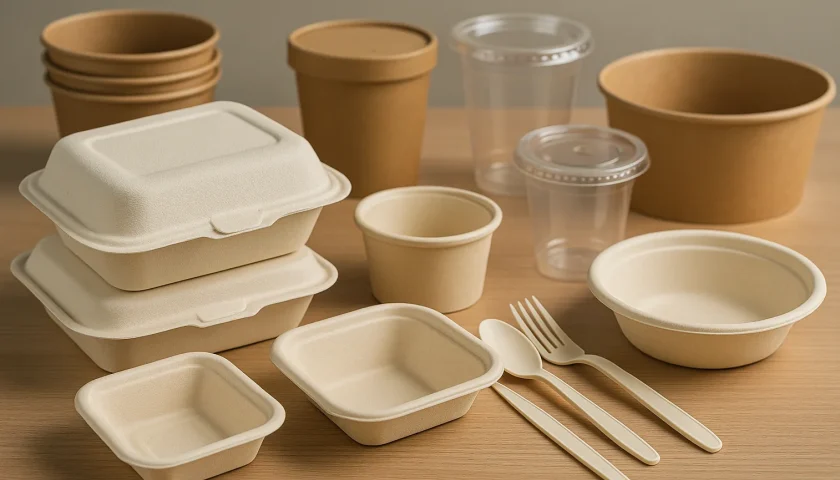
Italy permits compostable plastics for fresh produce, condiments
The decree targets single-use plastic packaging for pre-packaged vegetables below 1.5kg, along with single-use flexible packaging for hospitality cosmetics, beauty, and hygiene products thrown away before the next guest arrives.
-
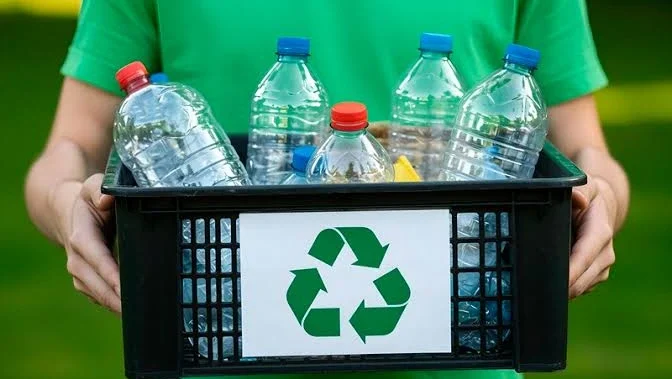
Pyramid Technoplast secures clearance for packaging waste recycling
With expanded permissions, Pyramid Technoplast integrates collection, reclamation, and reuse into its core manufacturing, handling external packaging waste beyond its own scrap streams.
-
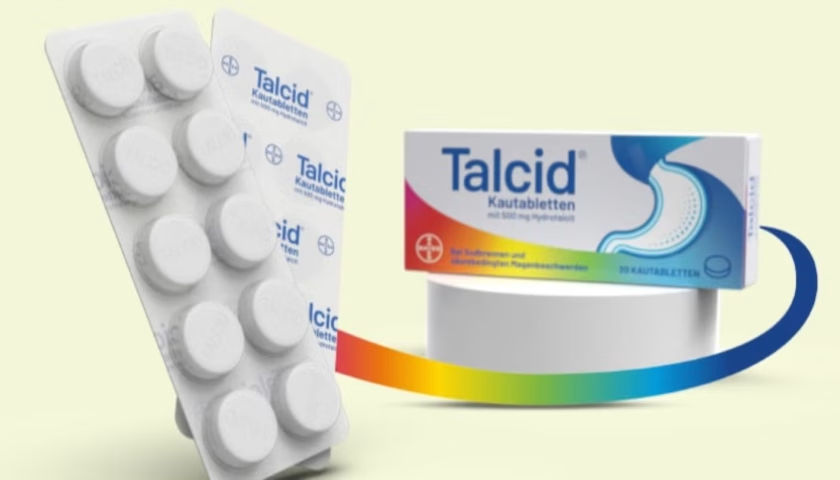
Bayer launches recyclable mono-PP Talcid blister in Germany
Bayer says the pack earned a 98.86% recyclable plastic content score, supporting recycling where infrastructure exists while preserving quality, safety, and user experience.