

Recycling
-
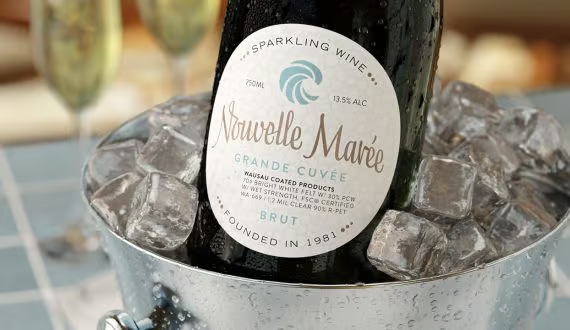
Wausau Coated Products’ new WA-669 wash-away adhesive enables bottle reuse with 90% recycled liner
Designed to stay put through normal use, ice included, but release under hot water and agitation, Wausau’s wash-away technology supports circular packaging, since reuse is among the most energy-efficient recycling routes.
-
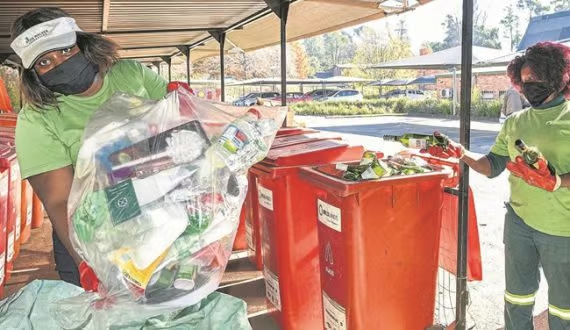
South Africa mandates 100% recycled content in plastic bags by January 2027
The final phase of the 2021 amendments takes effect Jan 2027, completing the rise from 50% (2023) to 75% (2025) and now 100%.
-
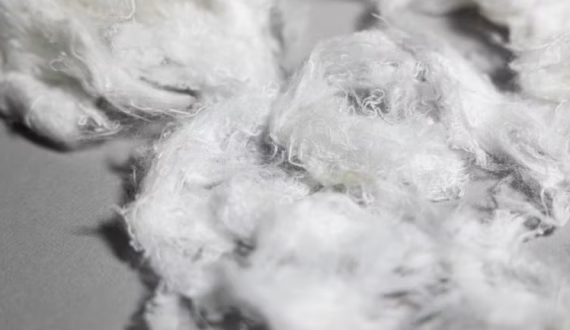
Zalando brings 80,000T textile recycling to private label with 20% next-gen cotton
The initiative shows textile-to-textile recycling can scale from trials to commercial production, offering a blueprint for brands to adopt next-generation fibres.
-
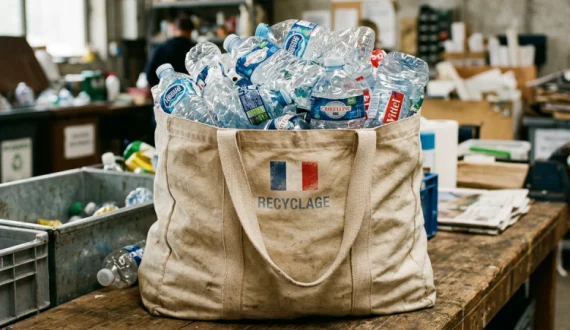
France drops mandatory bottle deposit, opts for voluntary local schemes amid 58% collection gap
The Ministry of Ecological Transition’s 4 September decision follows strong local opposition—authorities argued a mandatory system would divert valuable PET and aluminium from municipal recycling, undercutting sorting infrastructure investments.
-
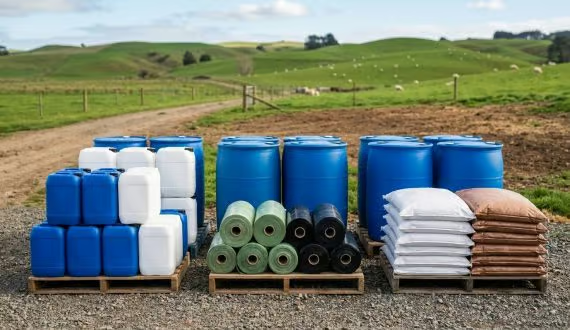
New Zealand’s March 2027 farm plastic recycling scheme to cover 240 sites
The rules apply to producers of agrichemicals in plastic packaging (≤1,000L), bale wrap, silage sheet, 16–40kg plastic bags, and woven PP bags over 40kg.
-
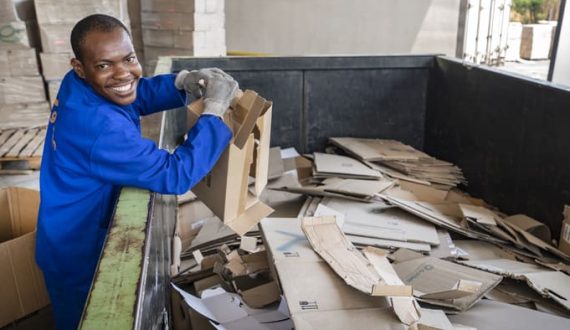
South Africa’s new EPR laws force appliance makers to fund recycling, track e-waste
The regulations support South Africa’s circular economy push, with the draft National Waste Management Strategy 2026 targeting 40–60% landfill diversion over the next 5–15 years.
-

Saudi Petromin’s Egypt expansion to enhance lubricant packaging, blending infrastructure
Aiming to raise local lubricant output and broaden production/packaging/marketing, the new company, run by Technolube Egypt, leverages Petromin’s 1960s-era Egypt track record.
-

Heidelberg Materials opens 250,000T Leeds CD&E recycling plant with circular economy focus
The Leeds site is one of several recycling facilities Heidelberg Materials will open in the coming months to boost its CD&E waste processing capacity.
-
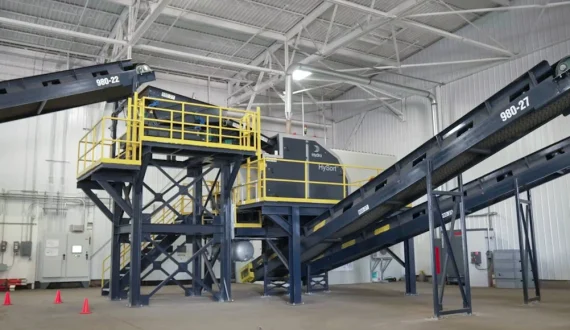
US$2.3B aluminium scrap value locked as weak markets hinder sorting: WBCSD
Beyond technology, the value chain is misaligned, collectors can’t see manufacturer needs, recyclers face uncertain demand, and manufacturers lack sufficient traceable secondary aluminium.
-

Kirin, JSW achieve 95% PET depolymerization with 250 kg/h chemical recycling process
The achievement advances the Kirin Group’s Environmental Vision 2050 goal of creating a society that circulates containers and packaging sustainably.