

Recycling
-

Polyco, Itheku expand Packa-Ching network in KwaMashu with 63rd mobile recycling unit
Polyco’s partnership backs community recyclers, helping formalise operations, grow their reach, and provide sustainable livelihoods for daily collection/sorting/recovery workers.
-
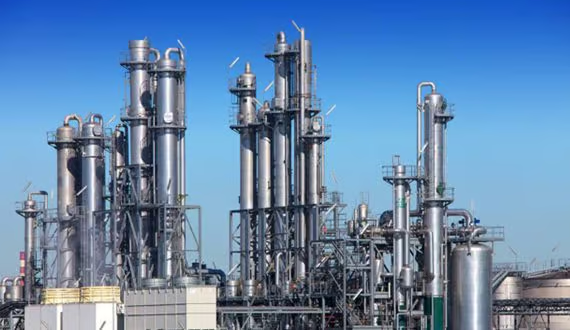
Kenya’s Kwale used oil recycling plant faces public review with 20,000L batch capacity
The proposed Kwale/Samburu facility will include ten storage tanks, a 659.68 sq m plant shed, recycling equipment, offices, a QA department, truck parking, a loading bay, and an 8–10 ft boundary wall.
-
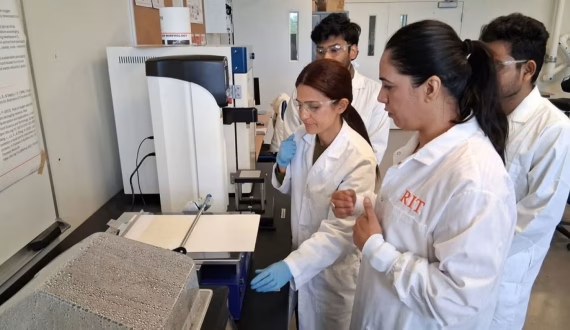
RIT new starch coating boosts paper packaging recycling, printability
The starch-based coating makes paper packaging recyclable or compostable while retaining protection, cutting plastic waste and advancing circular economy goals.
-

NASENI’s metal 3D printing hub integrates powder recycling, processes 31,000T of tantalite
Presented in Abuja at NASENI’s event, the hub plans to include digital design, simulation, laser fusion, powder recycling, finishing, and QA facilities.
-
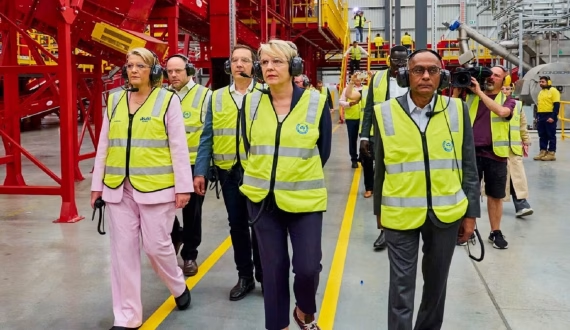
Recycling Plastics Australia’s collapse ends 14,000T soft plastics project
The collapse comes after more than a year of warnings over plastics recyclers’ finances, with the Australian Council of Recycling calling the sector’s viability “unsustainable.”
-
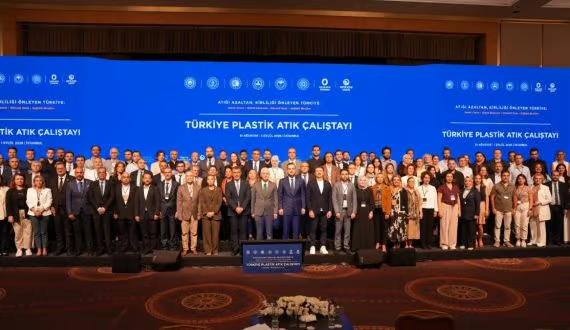
Zero Waste Foundation hosts Türkiye Plastic Vision 2053 workshop for regional recycling hub
Effective plastic recycling starts with source-separated collection, backed by sustainable finance, licensed operators, reduced informality, inspections, and public awareness.
-

Smurfit Westrock study finds up to 97% of consumers separate bag-in-box packaging for recycling
The results suggest consumers are more willing to recycle when packaging is intuitive and easy to sort.
-
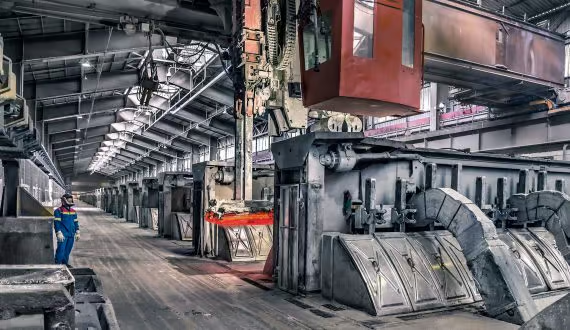
Trimet’s new 40,000T laser sorting hub strengthens aluminium recycling in Hamm
The LIBS system analyses up to 150 scrap pieces per second, detecting alloying elements like silicon, copper, iron, and magnesium.
-
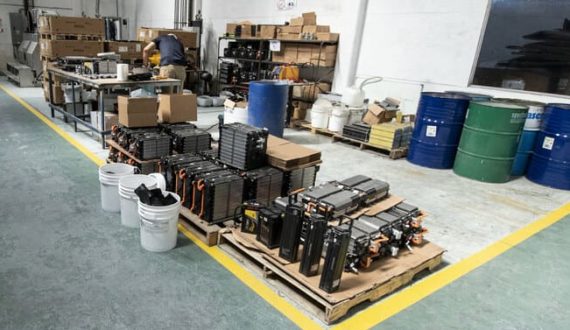
Ericsson recycles 5,000MT of end-of-life e-waste, metal recovery in Saudi Arabia
The equipment is processed by Ericsson-approved recyclers, fully licensed, with strong recycling performance and compliance with international environmental, health, and safety standards.
-
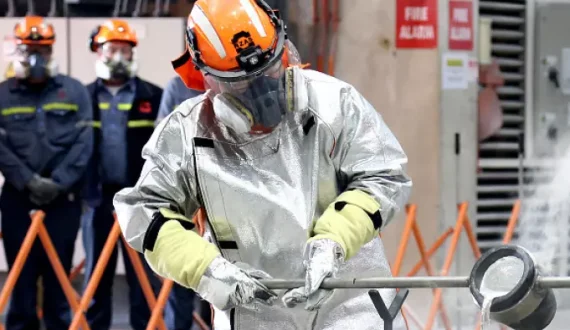
NZ aluminium extruders seek recycling protection as 109% import surge threatens sector
Imported hollow extrusions arrive at ~US$4,000/tonne, while local manufacturers pay higher prices for aluminium billet, making it hard for recyclers to compete.