

Emirates shipping line bans plastic waste cargoes from October
Ban hits cross-border recovered-material supply chains; EU/NA/Australia scrap exporters need new carriers or domestic processing—costs may rise for recyclers and manufacturers.
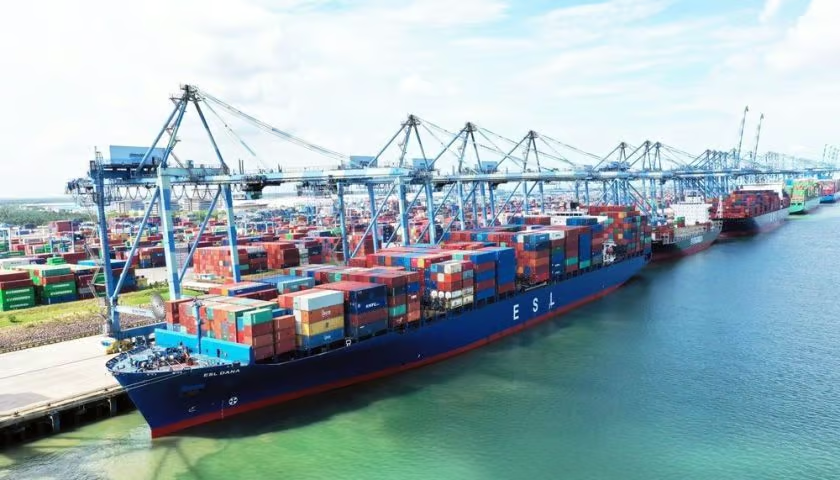
UAE – Emirates Shipping Line will stop accepting plastic waste shipments from October 1, becoming only the second ocean carrier to impose a blanket ban on the trade, citing marine ecosystem protection commitments.
The Dubai-based carrier said it would no longer take bookings for plastic waste cargoes under HS Code 3915.
Michael Davies, ESL’s chief operating officer and regional managing director for the Middle East, said the company believed the decision to ban the carriage of plastic waste was the right step forward and reflected its focus on responsiand ble and compliant shipping practices.
The classification covers plastic waste, parings scrap, encompassing the post-consumer material streams that move between developed and developing economies for processing.
Basel Action Network Pressure Drives Carrier Action
The move follows pressure from the Basel Action Network, which has lobbied members of the World Shipping Council to end the carriage of plastic waste from developed to developing countries.
ESL follows CMA CGM, which stopped carrying plastic waste in 2022 after a BAN campaign targeting nine major shipping lines.
The two carriers now stand alone among major ocean operators in refusing the trade outright, leaving most global capacity still available to move plastic scrap despite tightening restrictions on waste exports under the Basel Convention.
Recycling Trade Faces Scrutiny Over Disposal Practices
BAN argues that shipping companies occupy a critical position in the global plastic waste trade, much of which is sent to developing countries for supposed recycling but can end up dumped, burned or handled in unsafe conditions.
Christopher Hudak, senior policy adviser at BAN, described ESL’s decision as another major milestone and called on other World Shipping Council members to follow suit.
The campaign targets a structural gap in global recycling infrastructure, where collected plastic frequently lacks viable domestic processing capacity in exporting nations and moves offshore with limited verification of final disposal.
Packaging Supply Chains Face Freight Constraints
The ban carries implications for packaging supply chains that rely on cross-border movement of recovered material.
Exporters of plastic scrap from Europe, North America and Australia will need to secure alternative carriers or redirect material to domestic processors, potentially increasing costs for recyclers and manufacturers using recovered feedstock.
For developing economies that import plastic waste for reprocessing, reduced carrier availability may constrain feedstock supply and affect local recycling employment.
The decision also reflects broader scrutiny of waste trade under the Basel Convention, which restricts movements of hazardous and mixed plastic waste and requires prior informed consent from importing countries.
Packaging producers with extended producer responsibility obligations may face additional pressure to demonstrate that recovered material is processed responsibly rather than shipped to destinations with weak environmental controls.
Subscribe to our email newsletters that provide busy executives like you with the latest news insights and trends from Africa and the World. SUBSCRIBE HERE


Be the first to leave a comment