

Kirin, JSW achieve 95% PET depolymerization with 250 kg/h chemical recycling process
The achievement advances the Kirin Group’s Environmental Vision 2050 goal of creating a society that circulates containers and packaging sustainably.
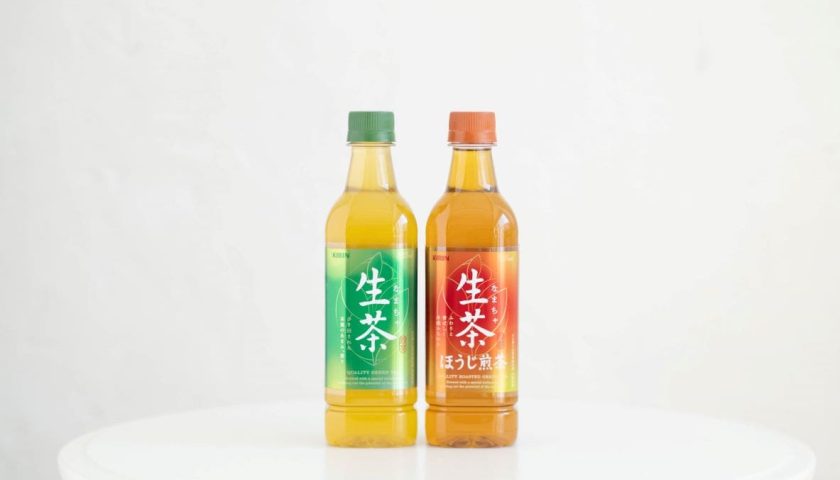
JAPAN – Kirin Holdings and The Japan Steel Works have achieved over 95 percent PET depolymerization in a production-scale demonstration test, establishing stable operating conditions at a throughput of 250 kg/h or greater for a low-energy alkaline recycling process.
The demonstration, conducted using JSW’s Twin Screw Extruder TEX αⅢ series, addressed conventional chemical recycling challenges by utilizing mechanical forces such as strong mixing and friction to accelerate reactions without relying solely on high-temperature heating.
The companies aim to overcome barriers related to energy efficiency and cost that have historically hindered commercial-scale chemical recycling.
Alkaline Depolymerization Technology and Commercialization Pathway
Kirin developed the alkaline depolymerization technology, while JSW handled equipment design and optimization of operating conditions.
The test provided valuable knowledge regarding equipment specifications and operating conditions required for commercial-scale plant design.
Detailed results will be presented at the 57th Autumn Meeting of the Society of Chemical Engineers in Japan later this month.
The process is part of Kirin’s broader research into low-energy, highly efficient PET recycling, building on earlier enzyme development that achieved 28 times higher efficiency compared to original PET2 enzymes.
Mechanochemical Approach Enables Faster, Lower-Energy Reactions
Rather than relying solely on heating, the demonstration utilized a mechanochemical reaction that promotes the process through mechanical forces generated by machinery.
This technology can enable the reaction to proceed in a shorter time with less energy, reducing environmental impact.
Conventional chemical recycling technologies have typically required high temperatures and long reaction times.
The achievement supports the Kirin Group’s goal of realizing “a society that circulates containers and packaging in a sustainable way,” as outlined in the Kirin Group Environmental Vision 2050.
Integrated Recycling Process and Future Development Plans
Kirin and JSW plan to continue developing an integrated recycling process covering PET collection, depolymerization and resource recovery.
The companies will also evaluate whether the solution is suitable for a wide range of PET packaging feedstocks, including non-food contact material grades.
Through collaborations with corporations, local governments, research institutions and other partners, the companies intend to promote practical implementation and commercialization of the technology.
While some environmental groups have raised concerns about chemical recycling processes, the companies are positioning the technology as a complement to mechanical recycling to enable circular use of PET materials across broader applications.
The demonstration represents the first such test in Japan of an alkaline depolymerization process using this equipment under conditions designed to simulate a commercial-scale production process.
Subscribe to our email newsletters that provide busy executives like you with the latest news insights and trends from Africa and the World. SUBSCRIBE HERE
Be the first to leave a comment