

Somalia holds first circular economy forum to promote waste recycling
Organisers noted that securing investment depends on proving viable business models, given recyclers’ need for reliable feedstock volumes and buyers for processed materials.
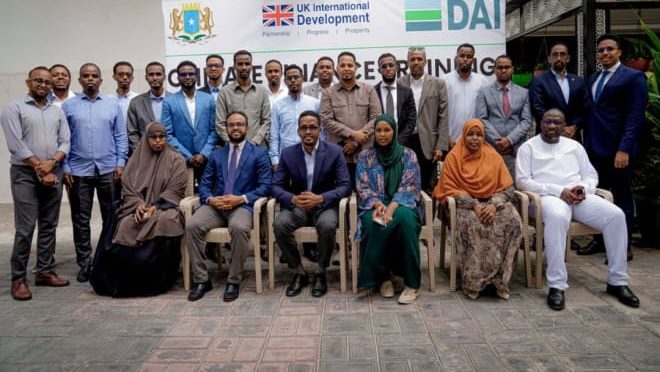
SOMALIA – Somalia hosted its first Circular Economy Forum in Mogadishu, bringing together environmental stakeholders, business leaders and international experts to explore turning the country’s daily output of more than 2,000 tonnes of waste into valuable recycled resources and viable businesses.
Organised by Horn Thrive Hub, the forum was held under the theme “Turning Waste into Resources and Economic Opportunities,” focusing on reducing waste, promoting reuse and strengthening recycling initiatives.
Its core message marked a shift from the traditional model of producing, consuming and disposing toward continuous use of materials through recycling, reuse and resource recovery.
The event included participation from experts in Kenya, allowing knowledge exchange on recycling practices developed in comparable East African markets.
Recycling Sector Could Address Youth Unemployment
A central discussion was the potential of waste recycling to address unemployment, particularly among young people.
As Somalia’s cities grow, waste volumes rise, but that also creates opportunity to establish businesses in waste collection, sorting, processing, recycling and production of reusable materials.
According to organisers, a stronger recycling industry could create employment, encourage entrepreneurship, attract private investment and support locally manufactured products.
For a country rebuilding its industrial base, recycling offers a lower-capital entry point than traditional manufacturing, requiring collection networks and basic processing equipment rather than large-scale factories.
World Bank Data Quantifies Waste Generation
A World Bank study cited in the information presented for the report indicates Somali cities generate more than 2,000 tonnes of waste daily, with each person producing approximately 0.5 kilograms per day.
These figures highlight both the scale of the challenge and its economic potential.
Much of this material currently ends up in informal dumpsites or open spaces, where it contributes to environmental degradation and public health risks.
Capturing recoverable plastics, metals and paper before disposal would reduce pollution while supplying feedstock to recyclers.
Infrastructure and Investment Gaps Constrain Growth
Developing a functioning recycling industry in Somalia requires investment in collection logistics, sorting facilities and processing capacity, alongside regulatory frameworks that formalise waste handling and create incentives for private participation.
The forum’s organisers noted that attracting investment depends on demonstrating viable business models, since recyclers need reliable feedstock volumes and buyers for processed materials.
For packaging producers and consumer goods companies entering the Somali market, the emergence of domestic recycling infrastructure could eventually influence packaging design choices and compliance requirements, though the sector remains at an early stage of development.
Subscribe to our email newsletters that provide busy executives like you with the latest news insights and trends from Africa and the World. SUBSCRIBE HERE


Be the first to leave a comment