
NASENI’s metal 3D printing hub integrates powder recycling, processes 31,000T of tantalite
Presented in Abuja at NASENI’s event, the hub plans to include digital design, simulation, laser fusion, powder recycling, finishing, and QA facilities.
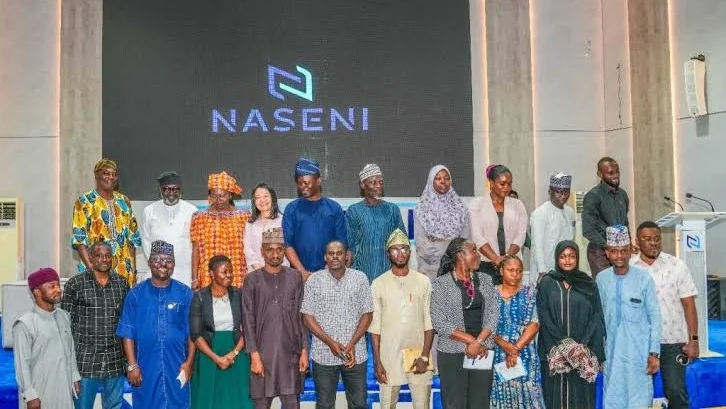
NIGERIA – Nigeria’s National Agency for Science and Engineering Infrastructure has unveiled plans for the country’s first metal additive manufacturing hub, with the facility integrating powder recycling and local mineral processing to retain capital spent on imported components and support the nation’s 31,000-tonne tantalite reserves.
The proposed hub, presented at NASENI’s Science Perspective Engagement Series in Abuja, would incorporate digital product design, process simulation, laser powder-bed fusion systems, powder recovery and recycling, surface finishing and quality assurance facilities.
Unlike conventional subtractive manufacturing, which cuts away material and generates significant waste, metal additive manufacturing builds components layer by layer, producing less scrap and enabling circular material use.
How Powder Recycling and Local Mineral Processing Close the Material Loop
The planned hub will incorporate powder recovery and recycling directly into the production workflow, turning waste powder back into feedstock and closing the material loop.
This approach supports circular economy principles by minimising material loss, which can be substantial in conventional machining.
The initiative also aligns with Nigeria’s 2024 mining policy requiring local ore processing, potentially creating a domestic supply chain where locally processed minerals serve as feedstock for metal powders used in advanced manufacturing.
The country holds over 31,000 tonnes of tantalite reserves on the Jos Plateau alone , with additional deposits in Nasarawa, Kogi, Osun, Ekiti, Kwara and Cross River states.
Metal AM’s Role in Cutting Import Dependency and Building Industrial Capacity
With applications spanning aerospace, automotive, healthcare, energy, oil and gas, construction and defence, the technology could retain capital currently spent on imported industrial components.
The hub would support Nigeria’s existing local content frameworks, including the NOGICD Act’s 70% target for oil and gas equipment by 2027.
The initiative builds on existing industrial activity, as companies like RusselSmith are already pioneering additive manufacturing in Nigeria.
RusselSmith has received approval from the Nigerian Upstream Petroleum Regulatory Commission to use industrial 3D printing in the oil and gas sector and is now positioned as West Africa’s first supplier of industrial AM equipment.
RusselSmith is also building one of the world’s largest additive manufacturing factories in Lagos. NASENI has proposed a public-private partnership model where government provides enabling infrastructure while private sector partners contribute specialised equipment, technical expertise and investment capital.
Subscribe to our email newsletters that provide busy executives like you with the latest news insights and trends from Africa and the World. SUBSCRIBE HERE

Be the first to leave a comment