

Nigeria
-
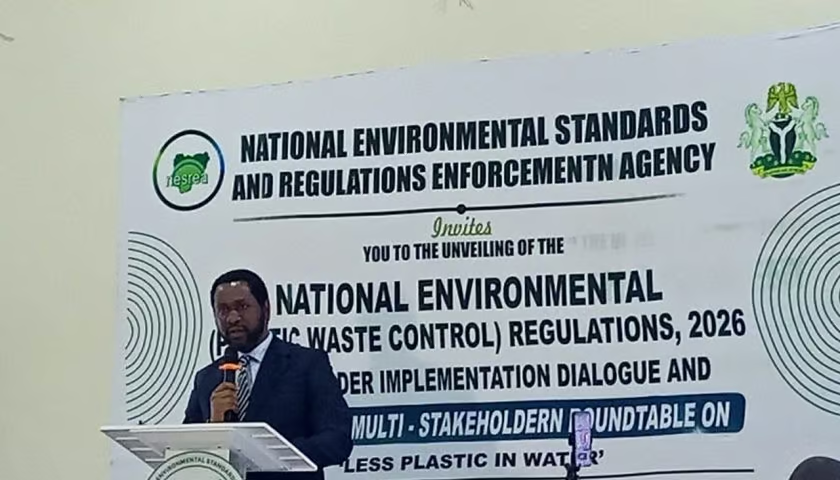
Reps Panel proposes phased plastic ban with green tax, EPR
Recommendations: phased legislation, harmonised state/federal rules, enforcement, recycling incentives, and retooling aid for firms and workers.
-
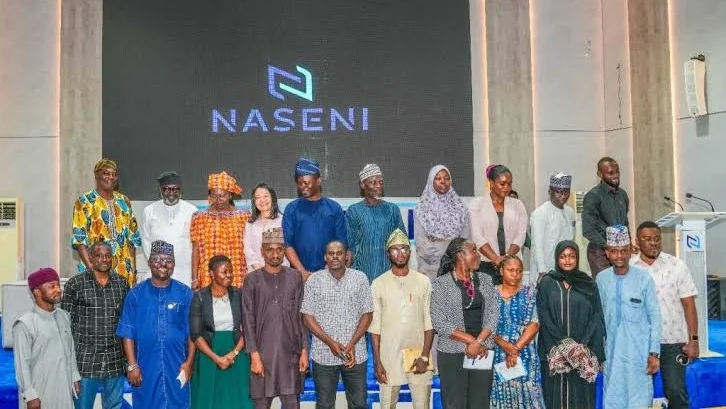
NASENI’s metal 3D printing hub integrates powder recycling, processes 31,000T of tantalite
Presented in Abuja at NASENI’s event, the hub plans to include digital design, simulation, laser fusion, powder recycling, finishing, and QA facilities.
-

NAFDAC enforces sachet alcohol ban with fines, factory closures, product recalls
Adeyeye: firms must recall banned drinks nationwide, report to NAFDAC, and destroy recovered stock under NAFDAC oversight, at their cost.
-

OGWAMA seals Quantum Packaging Nigeria for illegal waste disposal, citing health, environmental violations
The company will stay closed until the illegal dumpsite is shut and a remediation plan to remove all waste is submitted, only then will the state consider reopening.
-

CIPPON seeks import duty relief for printing, packaging materials as sector faces capacity crisis
Nigeria does not yet produce the required raw materials and machinery at the needed volume or quality, making import dependence structural, not a matter of choice.
-

Beta Glass’s US$50M H1 revenue surges 13.8% as dynamic pricing targets margin recovery
Higher inbound logistics and raw material costs pressured margins in the quarter.
-

Beta Glass appoints Boye Olusanya as Chairman after US$24M Q1 revenue run
Olusanya’s appointment signals a push to deepen operational excellence and grow market share, especially in West African export markets and beyond.
-
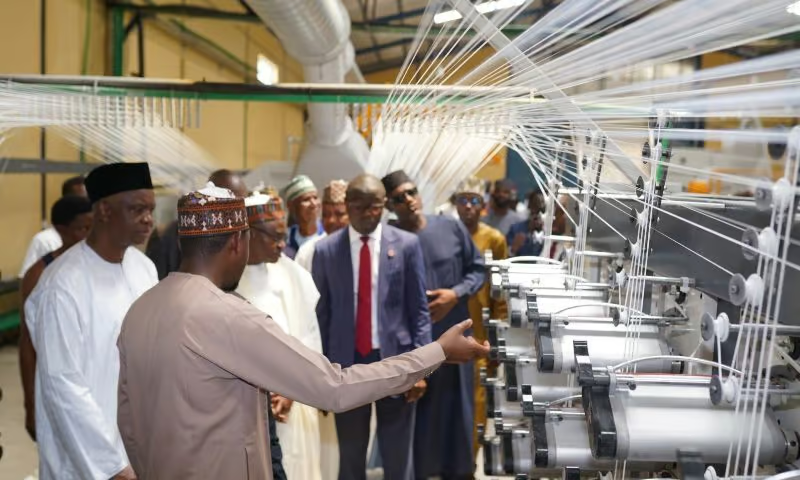
BlackHorse’s 240MT sack packaging plant, 400MT rice mill strengthen Nigeria’s agricultural packaging value chain
The plant produces woven PP bags for storing, transporting, and exporting agricultural produce, filling a critical packaging gap that has long constrained Nigeria’s agricultural competitiveness.
-

FLEXO EDGE 2026: Nigerian packaging leaders call for policy reforms, tech investment to unlock global competitiveness
Ogunjobi emphasized sustainable production, urging industry players to adopt waste recovery, recycling, and environmentally responsible manufacturing.
-
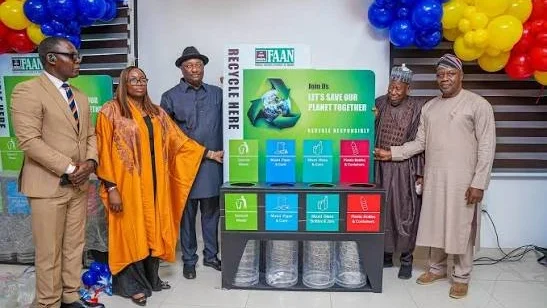
FAAN’s waste recycling programme targets 1,383T of airport waste with three-phase circular economy plan
FAAN’s recycling programme, part of its ACI-accredited Carbon Management Plan, represents a major move toward net-zero carbon emissions.