

Germany
-

SÜDPACK’s PP spouted pouch film cuts carbon 40% with 95% recyclability rate
The CarbonLite PurePP pouch is designed for cold filling of drinkable yoghurt and dairy products, with films treated by UVC or hydrogen peroxide to reduce microbial load.
-
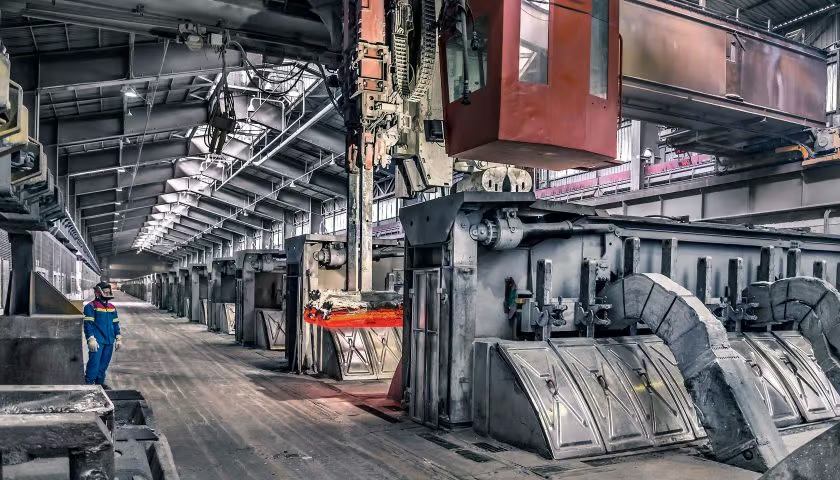
Trimet’s new 40,000T laser sorting hub strengthens aluminium recycling in Hamm
The LIBS system analyses up to 150 scrap pieces per second, detecting alloying elements like silicon, copper, iron, and magnesium.
-
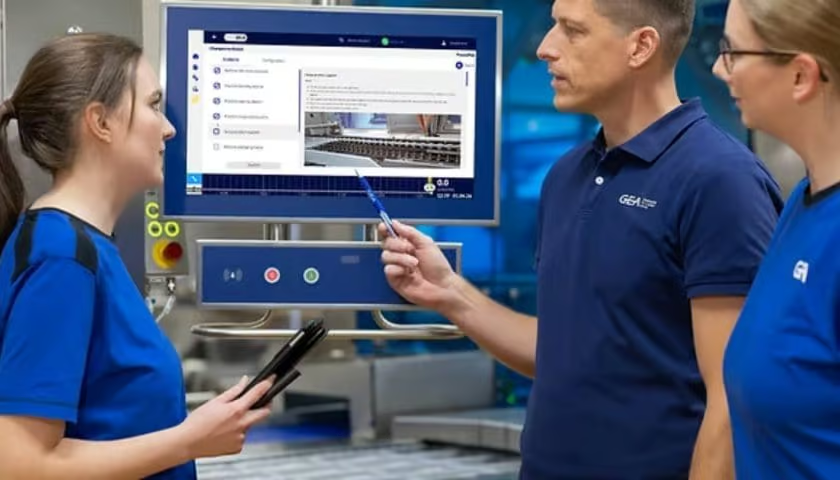
GEA’s new Changeover Assist cuts waste during food packaging changeovers
The tool is initially available for GEA PowerPak thermoformers and the MaxiFormer drum former, with the OptiSlicer set for future rollout.
-
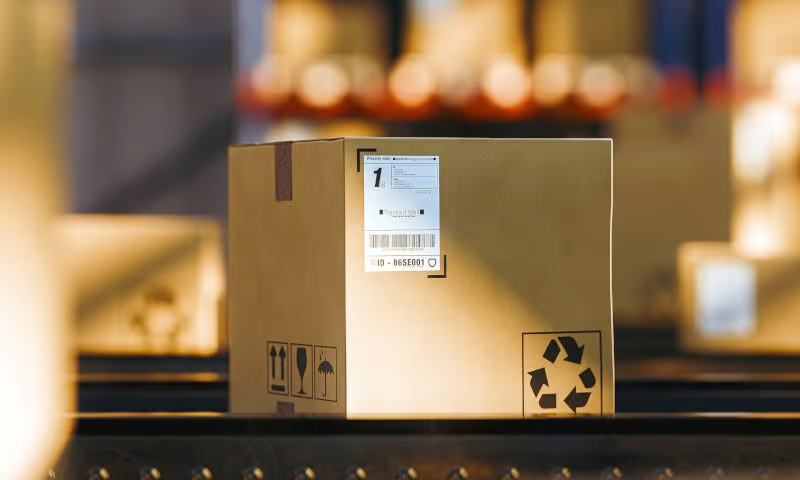
HERMA’s Linerless Plus cuts 1.37T of waste per 1.5M logistics labels
Announced on 26 August 2026, the new product extends the silicone-free HERMA InNo-Liner, suitable for both automated labelling and hand-applied labels from desktop printers.
-

Gerresheimer’s US$1.7B divestment sharpens focus on injectable drug packaging
The funds generated from the sale will serve to “substantially improve” Gerresheimer’s capital and financing structure by lowering its leverage.
-
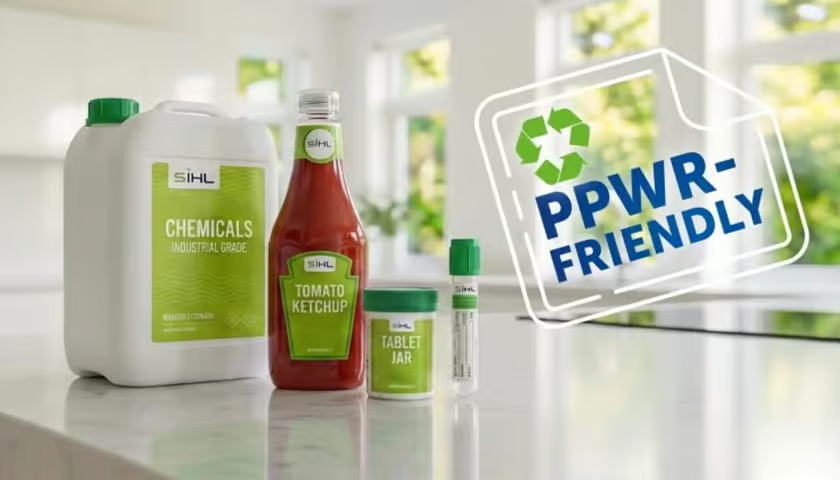
Sihl introduces aqueous inkjet-coated PE films for on-demand label printing
New polyethylene label films combine print-on-demand capabilities with mono-material compatibility to support flexible packaging and PPWR compliance.
-

Sensoplast buys insolvent Forewood to add wood-fiber closures for supplement, cosmetic packaging
The biopolymer-based material, originally developed by Rezemo, is PEFC-certified and combines environmental sustainability with technical functionality.
-
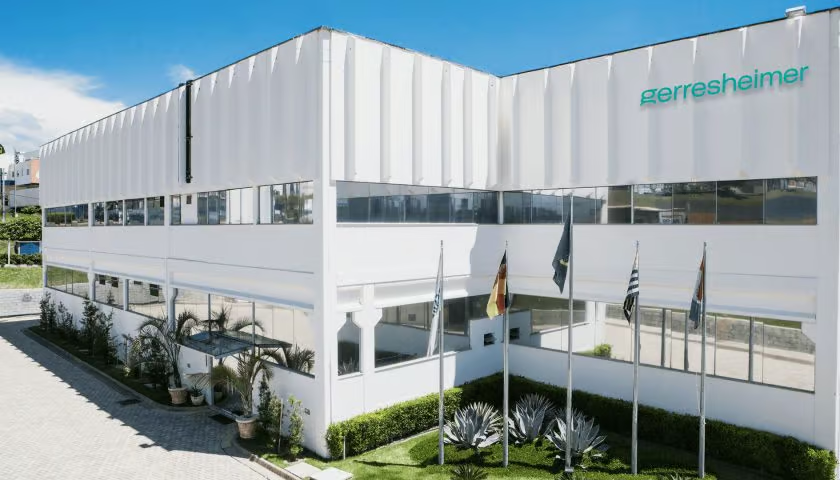
Gerresheimer’s packaging unit restructuring drives US$363.3M loss on US$594.5M impairments
Chief Financial Officer Wolf Lehmann stated that the publication of the audited 2025 financial statements sends an important positive signal to customers, financing partners and investors, with transparency and compliance being top priorities.
-
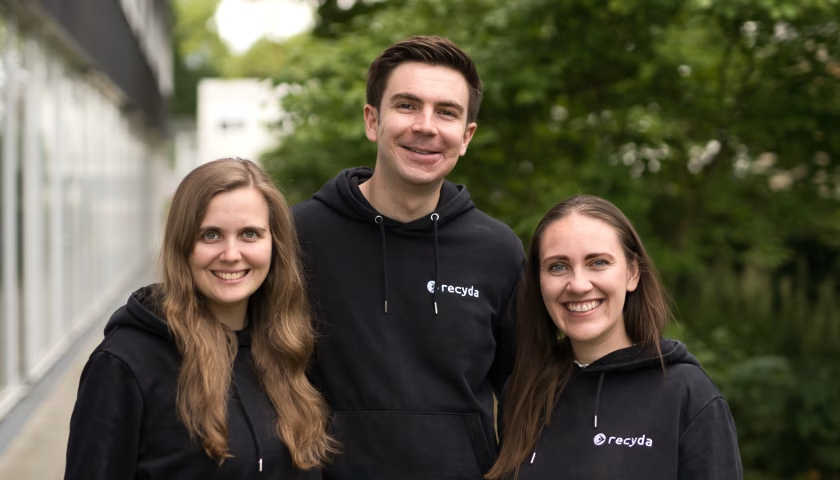
Recyda’s new PPWR Navigator platform automates declarations for packaging compliance, documentation
The platform connects with existing internal systems via API, automatically identifies data gaps, compliance risks and missing information across thousands of SKUs, and enables bulk generation and export of documentation simultaneously.
-

Trimet adds 80,000T of German aluminium recycling capacity with hydrogen furnaces, laser sorting
Laser-based sorting enables alloy-specific separation, producing feedstock that can be directly remelted into new high-performance products without the energy penalty of refining mixed scrap down to purity.