
Egypt
-
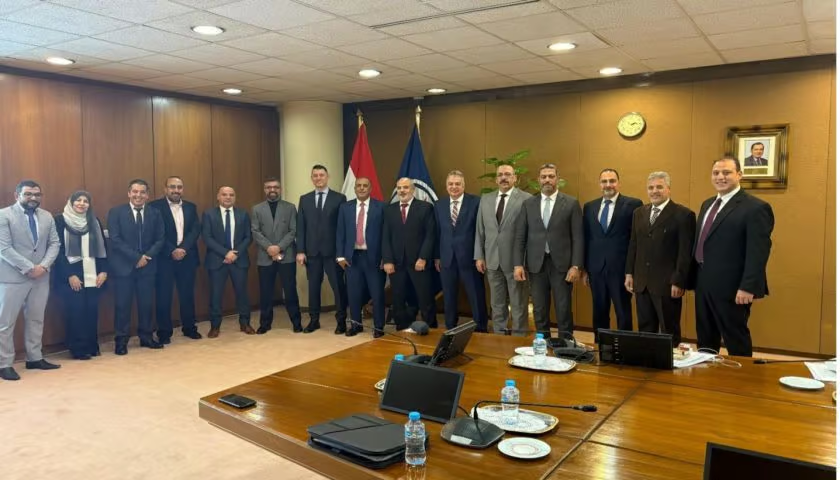
Saudi Petromin’s Egypt expansion to enhance lubricant packaging, blending infrastructure
Aiming to raise local lubricant output and broaden production/packaging/marketing, the new company, run by Technolube Egypt, leverages Petromin’s 1960s-era Egypt track record.
-
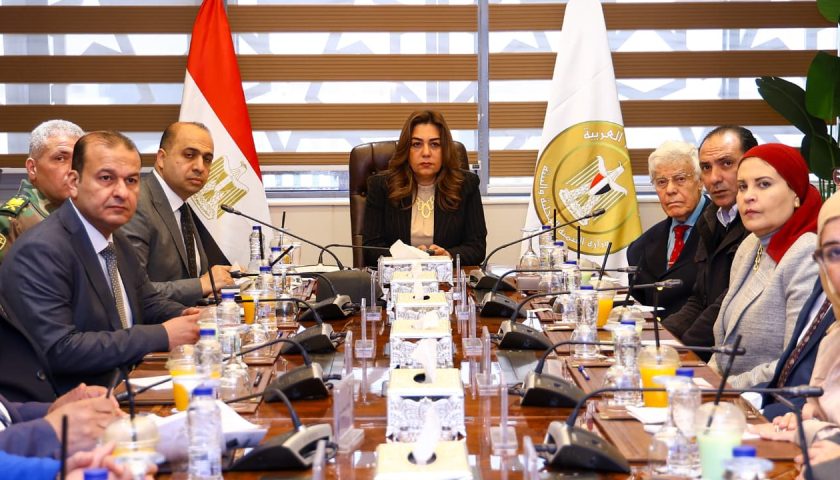
Egypt prepares EPR packaging waste rules with new WIMS registration platform
This decree mandates plastic bag producers/importers to register and declare volumes on the waste system, laying the foundation for a financial contribution scheme to cover waste management.
-
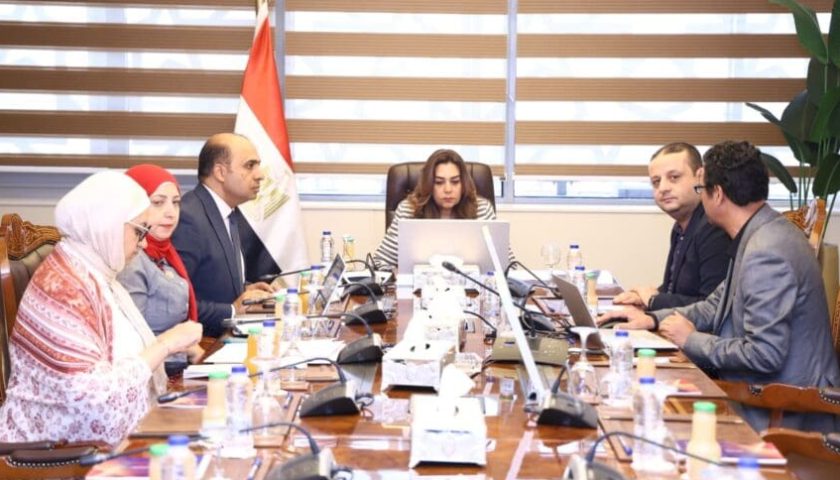
Egypt prepares extended producer responsibility scheme as WIMS platform set to launch for priority packaging materials
The WIMS platform will let producers and importers register and report packaging volumes placed on Egypt’s market, with Awad urging simplified procedures to drive participation.
-
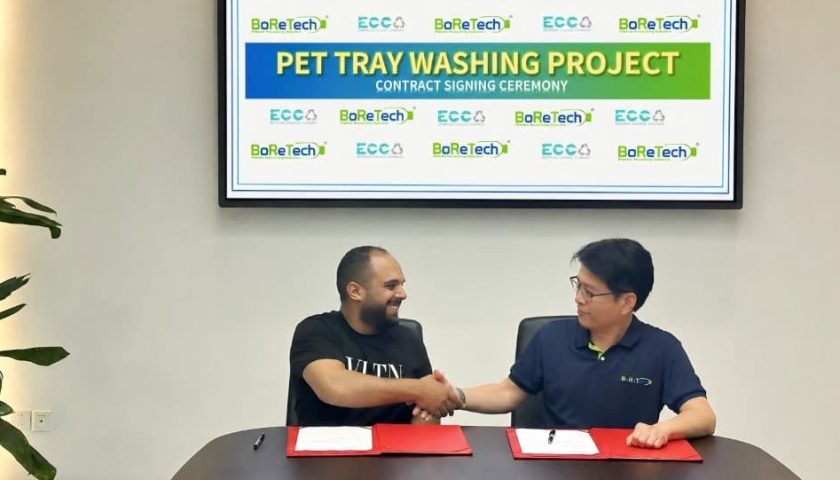
Boretech, ECC partner on Africa’s first PET tray washing line in Egypt
The project, the first PET tray washing line in Africa and the Middle East, marks a recycling milestone for the region and supports Egypt’s shift to a circular packaging economy.
-
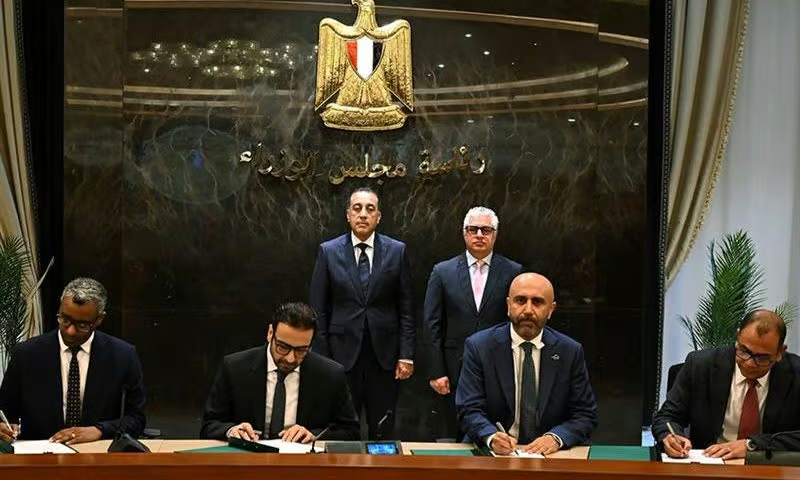
DP World’s new 300,000sqm Sokhna packaging, logistics hub inks three warehousing deals in Egypt’s SCZone
The park is strategically positioned 15 minutes from Sokhna Port, 30 minutes from Suez and 45 minutes from the New Administrative Capital.
-
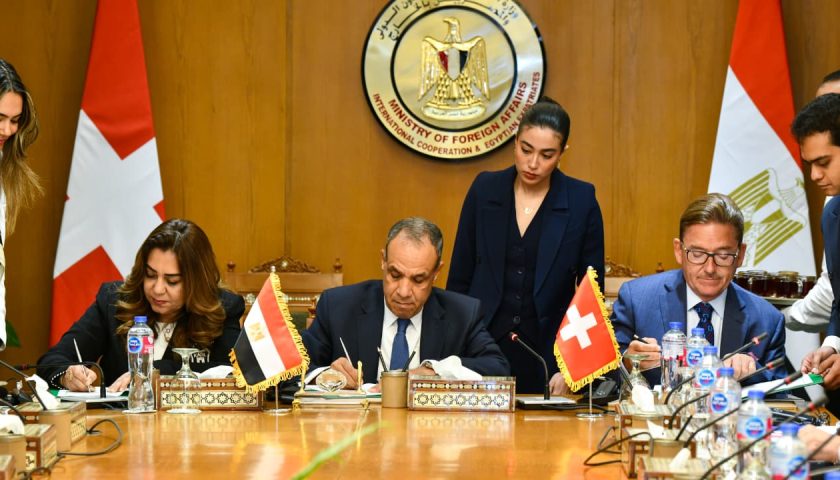
Egypt-Switzerland US$1.7M E-waste recycling grant targets 87,000T annual management gap
The project also aims to professionalise the informal sector, which currently handles most e-waste processing through inadequate methods such as open burning that release toxic substances.
-
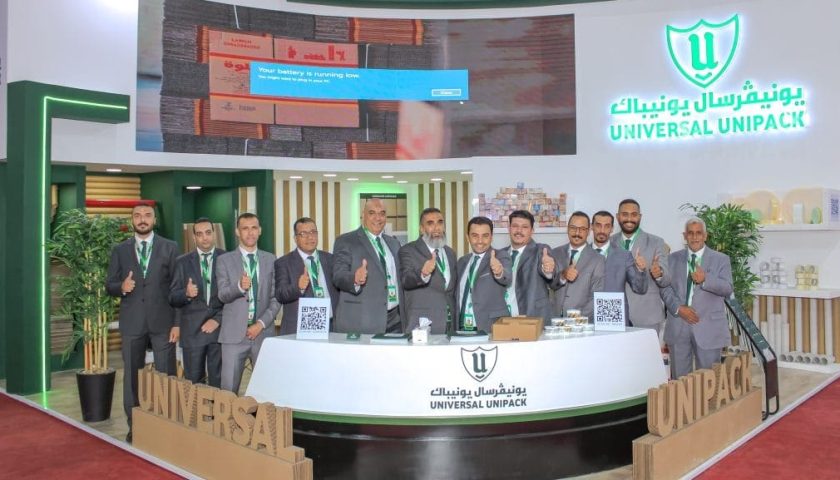
Unipack’s Q1 2026 net profits plunge 72.4% as sales slow
The results reflect ongoing pressure on Egypt’s packaging industry amid currency devaluation and reduced domestic demand.
-
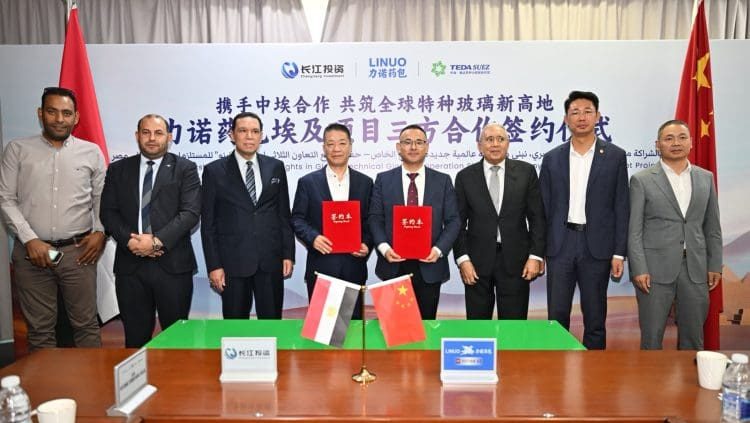
Linuo Pharmaceutical Packaging signs Egypt plant deal for pharmaceutical glass packaging production
Linuo plans to develop the site into a regional manufacturing base and global supply centre, improving supply chain efficiency and expanding market reach across the Middle East, Africa and Europe.
-
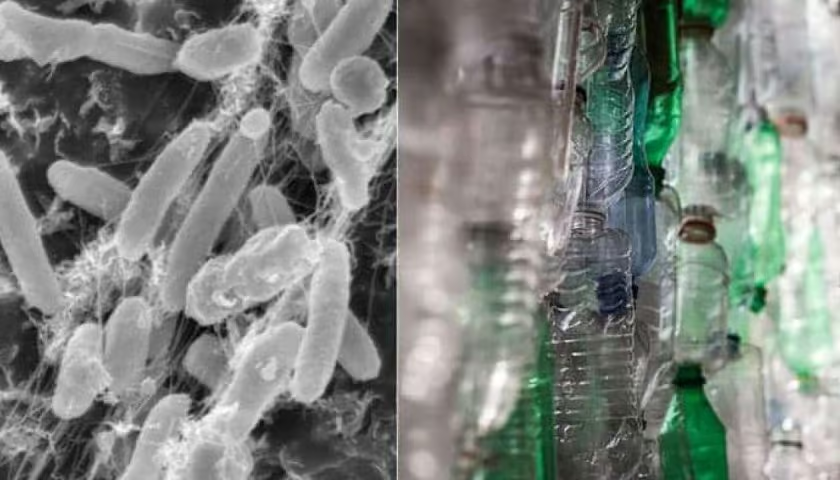
Cairo University’s 26.8% PVC bacterial degradation breakthrough for bioremediation, recycling
The Egyptian bacterial consortium provides a scalable biological pathway for tackling one of the most problematic plastics in the recycling stream, offering a nature-based alternative to energy-intensive chemical recycling processes.
-

FPS Food Process Solutions partners with MAF Gateways on complete french fry processing, packaging line in Egypt
The new processing line is designed to support efficient large-scale frozen french fry production while improving operational performance, food safety standards, and export capabilities.