

Egypt prepares EPR packaging waste rules with new WIMS registration platform
This decree mandates plastic bag producers/importers to register and declare volumes on the waste system, laying the foundation for a financial contribution scheme to cover waste management.
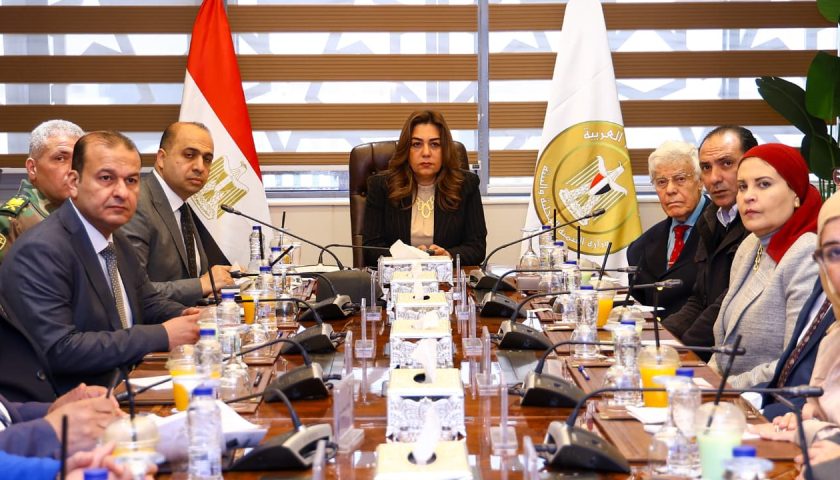
EGYPT – Egypt’s Ministry of Local Development and Environment has reviewed preparations for implementing an extended producer responsibility system for priority packaging materials, building on Waste Management Law No. 202 of 2020 and Prime Ministerial Decree No. 662/2025.
The scheme, reviewed by Minister Manal Awad, will require producers and importers to register on the national Waste Information Management System (WIMS) platform and declare the quantities of packaging they place on the market.
The Waste Management Regulatory Authority emphasised that the EPR system must enable producers to take responsibility for managing waste generated by their products, supporting collection, transportation, treatment and recycling while complying with environmental reporting requirements.
Legal Framework and Consultation Process
Law No. 202 of 2020, approved by the House of Representatives on 24 August 2020, established the principle that every producer remains responsible for managing waste arising from its consumed products.
The Ministry of Environment launched an initial consultation in October 2025 on a draft decision to apply EPR to packaging materials, bringing together industry representatives, donors and local authorities.
A final consultation round with industry is planned for 2026.
The EPR mechanism for plastic shopping bags was already established by Prime Ministerial Decree No. 662/2025, signed on 2 March 2025.
This decree requires producers and importers of plastic shopping bags to register on the waste information system and declare the volumes they place on the market, forming the first building block of a financial contribution mechanism to cover waste management costs.
Implementation and Investment
The WIMS platform is intended to allow producers and importers to register and declare the quantities of packaging they place on the market.
Public and private investments in transfer stations, sorting centres and treatment facilities have been accelerated since 2024 to prepare for the EPR rollout.
Programming documents for the National Solid Waste Management Programme explicitly identify packaging and packaging waste as priority streams for institutional design and financing.
The stated objective is to reduce reliance on landfills and support a more sustainable circular economy.
The precise modalities of the scheme, including implementation timeline and applicable financial obligations, remain to be clarified, with a fourth quarter 2026 launch targeted for the new WIMS platform.
The Ministry of Environment indicates that, within the framework of the national integrated waste management strategy, public and private investments in transfer stations, sorting centres and treatment facilities have been accelerated since 2024 in order to prepare for the rollout of EPR, ensuring that infrastructure is in place to support the new obligations.
Subscribe to our email newsletters that provide busy executives like you with the latest news insights and trends from Africa and the World. SUBSCRIBE HERE
Be the first to leave a comment