

Food & tobacco
-

SÜDPACK’s PP spouted pouch film cuts carbon 40% with 95% recyclability rate
The CarbonLite PurePP pouch is designed for cold filling of drinkable yoghurt and dairy products, with films treated by UVC or hydrogen peroxide to reduce microbial load.
-

Tetra Pak appoints Michael Wu as Oceania MD to drive sustainability, food systems innovation
Wu’s new role heading Tetra Pak ANZ will focus on helping customers enhance food safety, reduce environmental footprint, and strengthen food systems through advanced packaging and processing technology.
-

Mondelēz replaces PET cookie trays with FSC Paper, Cuts 2,200T of plastic
The paper tray was extensively tested to ensure product protection and shelf life, offering cookie durability during transport and display while reducing virgin plastic use.
-
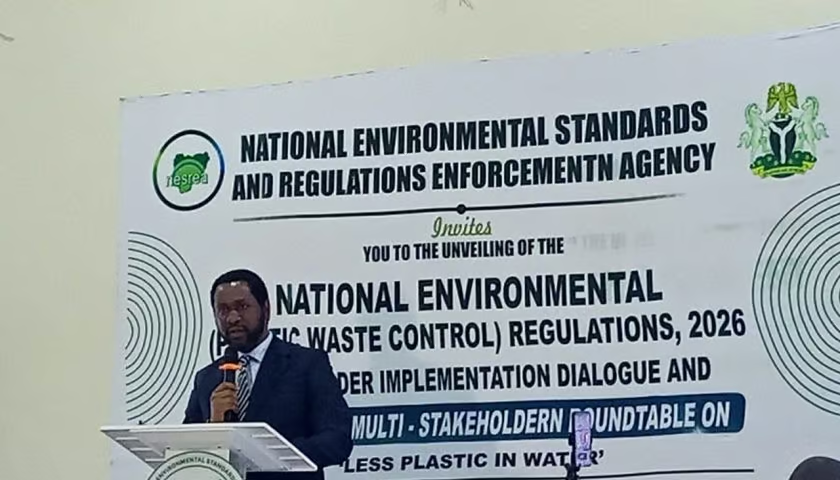
Reps Panel proposes phased plastic ban with green tax, EPR
Recommendations: phased legislation, harmonised state/federal rules, enforcement, recycling incentives, and retooling aid for firms and workers.
-
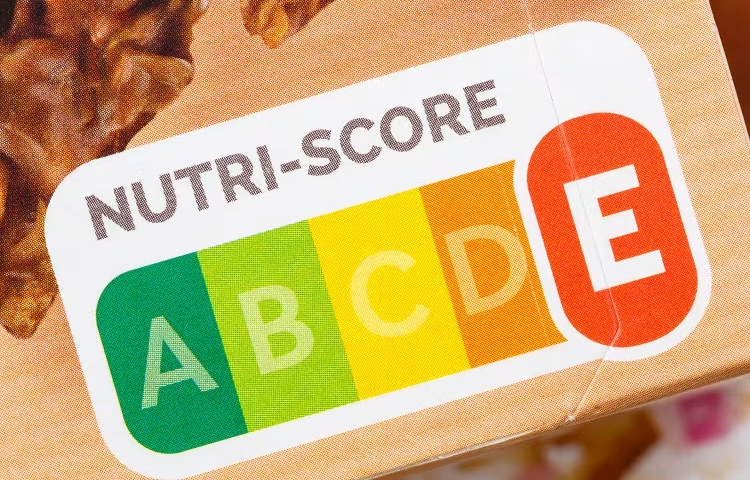
Dubai’s launches new A-to-E packaging grade rates for nutritional accuracy
The classification lets food businesses validate nutritional claims before or after market entry. Accurate information aids regulatory compliance and boosts confidence among regulators and consumers.
-
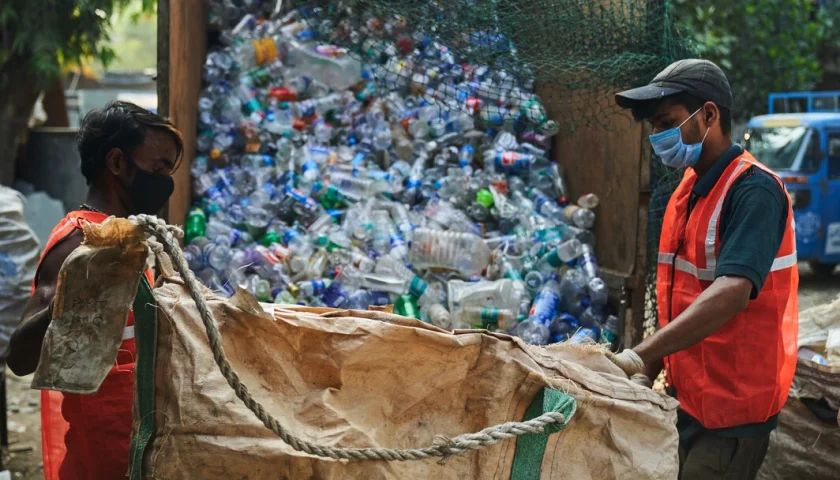
India’s plastic recycling market to grow 9-11% annually demand rises: Association of Plastic Recyclers Bharat
Association Director General Shailendra Singh said the recycling ecosystem has transformed significantly over the past decade, driven by more investment and world-class technology.
-

ACA pushes track-and-trace law for packaging as 19% of Kenyan goods deemed counterfeit
Dr. Robi M. King’a of ACA urged consumers to verify labels, trademarks, packaging, and sellers, since packaging is frequently the sole authenticity cue.
-

Mondelēz, PepsiCo, Pladis trial digital watermarks for flexible packaging sorting
A digital watermark is an invisible code applied during printing that sorting equipment can read to identify material type and whether the packaging held food.
-

Tetra Pak East Africa celebrates 70 years of dairy, packaging heritage in Nairobi
At Nairobi’s Serena Hotel, industry partners, government officials, and stakeholders gathered to celebrate the company’s 70-year presence in East Africa since its 1956 Nairobi launch.
-
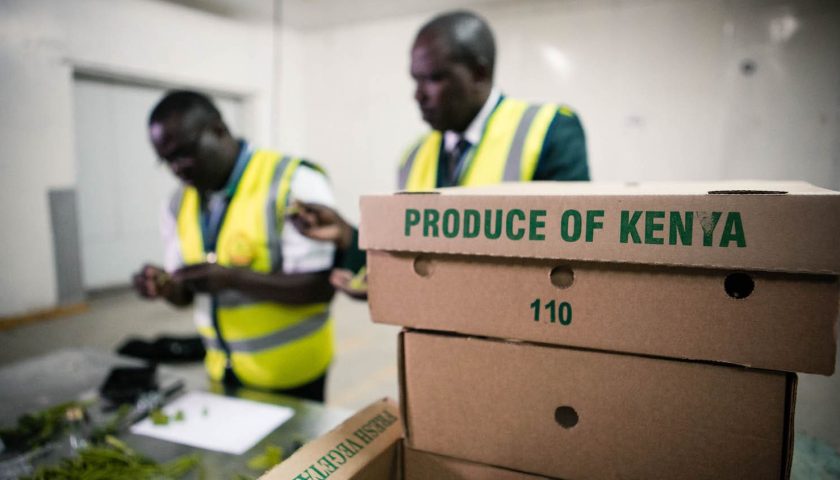
Kenya’s EU exporters face 45-day stock dilemma as PFAS ban takes effect
The Shippers Council of Eastern Africa warns the rules impose extra compliance burdens on exporters using imported packaging whose chemical makeup may not have been audited before.