

FEATURES, INTERVIEWS & REPORTS
-
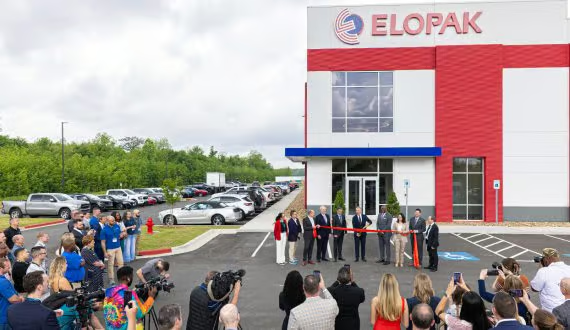
Elopak’s Q2 EMEA revenue rises 7.9% as Americas margin hits 22.9%
EMEA carton and closure revenue rose 7.9% year-over-year, driven by Pure-Pak UHT dairy growth and Roll Fed expansion across Central and Eastern Europe.
-

AI-powered paper packaging to propel South African market to US$4B by 2034: IMARC
According to IMARC Group, tighter government curbs on single-use plastics and rising consumer demand for green alternatives are accelerating South Africa’s shift toward paper-based packaging.
-
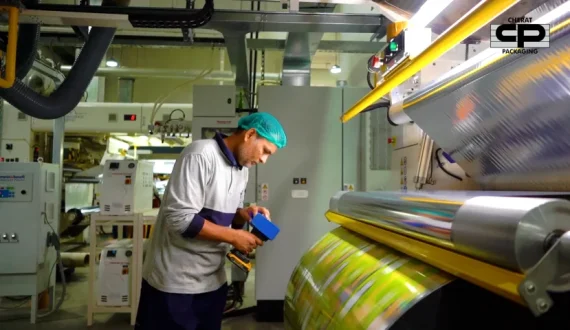
Cherat Packaging annual profit surges 83% to US$2.34M
Strong performance, driven by robust packaging demand and effective operations, positions Cherat Packaging for continued growth ahead.
-

Sappi’s Q3 sales hold at US$1.3B as cost cuts offset graphic paper decline, pulp headwinds
The company expects a stronger Q4, with management focused on strengthening the balance sheet and improving financial performance.
-
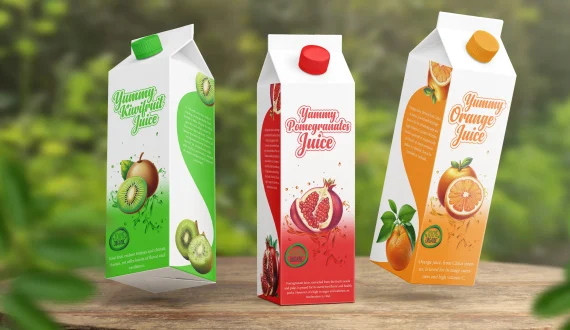
India’s beverage carton recycling rate reaches 48% in TERI study
TERI’s urban assessment found that only 5–6% of used beverage cartons in the studied cities reach landfills; the rest flows into formal and informal collection systems.
-
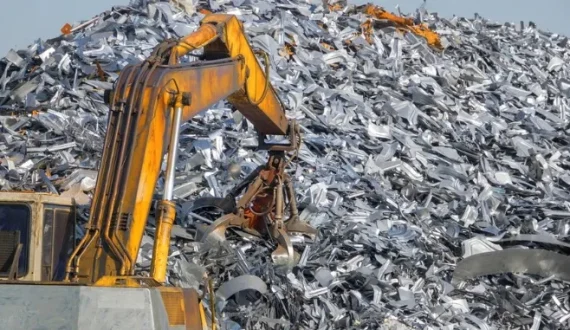
Scrap metal recycling market to hit US$711.8B by 2034: TMR Report
Transparency Market Research forecasts growing demand for recycled metals—cost-effective and green alternatives to virgin materials, in manufacturing, construction, automotive, electronics, and infrastructure.
-
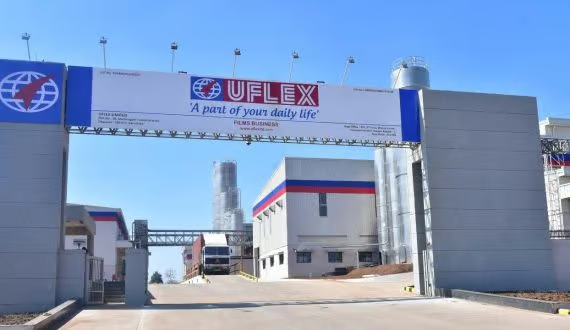
UFlex’s Q1 net profit surges 629% to US$50.7M as Egypt line, Mexico plant drive 37.6% revenue growth
Management projected strong growth from the upcoming Egypt aseptic plant and improved domestic capacity use, with EBITDA hitting a 21‑quarter high.
-
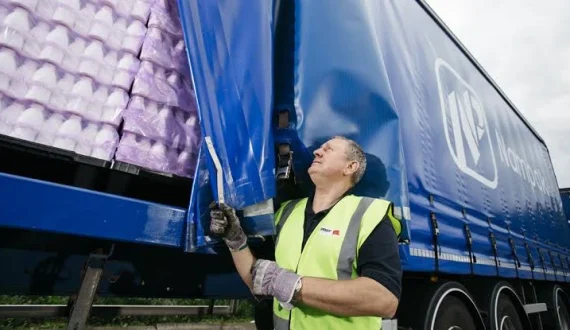
Nampak Zimbabwe’s 9-month revenue hits US$67.8M as 16% volume growth defies pricing pressures
Subdued metal packaging demand, raw-material supply snags, and commercial carton pressure from customers moving in-house weighed on results.
-
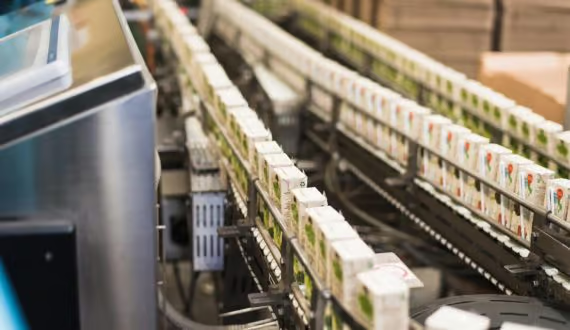
93% of UK businesses rethink packaging as PPWR, pEPR drive compliance – Advanced Supply Chain
The survey found that 16 percent of businesses have already formatted packaging to comply, 39 percent are currently making changes, and 32 percent are reviewing.
-

Amcor’s Q4 adjusted profit surges 40% to US$570M as Berry integration drives US$1.8B full-year earnings
Konieczny noted the company is encouraged by business momentum and the increased growth potential following the transformative Berry acquisition.