

India’s beverage carton recycling rate reaches 48% in TERI study
TERI’s urban assessment found that only 5–6% of used beverage cartons in the studied cities reach landfills; the rest flows into formal and informal collection systems.
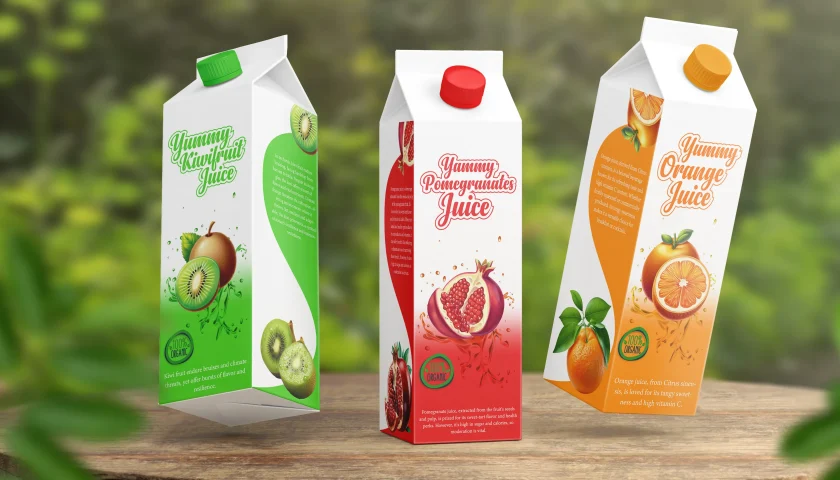
INDIA – India’s beverage carton recycling rate has reached 48 percent, up from 29 percent in 2011 and 45 percent in 2022, according to a TERI study across 24 cities, with the Action Alliance for Recycling Beverage Cartons calling for strengthened collection systems as annual consumption is projected to double by 2030.
The national figure, extrapolated from the study conducted by The Energy and Resources Institute (TERI) across 24 cities, demonstrates that carton collection and recycling ecosystems are expanding rapidly despite common structural misconceptions.
TERI’s urban assessment indicated that only 5 to 6 percent of used beverage cartons in the cities studied end up in landfills, with the rest entering formal and informal collection trade routes.
AARC’s 16 industry members account for over 70 percent of beverage carton sales in India.
Debunking the Multi-Material Myth
Despite the perception that beverage cartons are difficult to process due to multi-layering, the packaging is predominantly paperboard-based with 70 to 75 percent fiber, with thin inner layers of polymer and aluminum.
Established hydra-pulping pathways allow paper mills to recover high-value pulp, while dedicated processing infrastructure handles the remaining poly-aluminum matrix.
The TERI study confirms that established recycling routes already exist for these materials, with the recyclability of beverage cartons being fully demonstrated in practice.
Preservation Value and Upstream Impact
A follow-up webinar, titled “Unpacking Beverage Cartons: Separating Myth from On-ground Reality,” brought together value-chain stakeholders to launch the white paper, “Beverage Cartons in India: Advancing Food Safety, Sustainability, and Circularity.”
Panelists highlighted that sustainability metrics for beverage cartons extend beyond post-consumer waste management, with the format playing a vital role in food safety by enabling long-shelf-life distribution for perishables without reliance on energy-intensive cold chain logistics.
Narayanan Renganathan, Vice President and Head of Procurement at Dabur, stated that a beverage carton is designed to protect food, reduce spoilage and keep products safe and fresh for months without refrigeration, with the paper fibers, polymers and aluminum all recoverable and convertible into new products.
Aligning Policy with Material Recovery
Regulatory targets across plastic packaging categories expanded from approximately 27.22 lakh tons in 2022–23 to 80 lakh tons in 2024–25, with stakeholders calling for EPR mechanisms to explicitly recognize recovered fiber components alongside plastic compliance targets.
Cassio Simoes, Chairman of AARC and Managing Director of Tetra Pak India, stated that with around 21 billion beverage cartons consumed annually in India—and this volume expected to double by 2030, the priority must be to strengthen collection, segregation and recycling systems.
Subscribe to our email newsletters that provide busy executives like you with the latest news insights and trends from Africa and the World. SUBSCRIBE HERE
Be the first to leave a comment