

Market Reflection: South Africa packaging sector advances circularity through recycling, design, regulation
South Africa’s EPR regulations have required producers, importers and brand owners to register with the environment department and join approved or establish independent responsibility schemes.
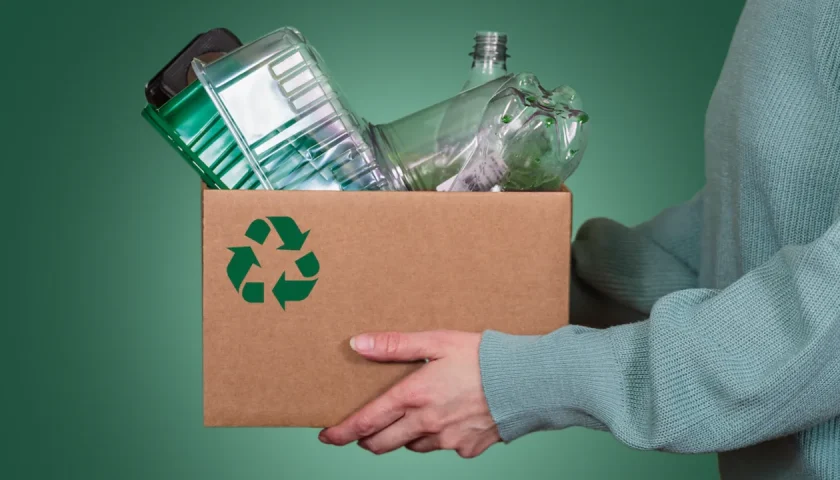
SOUTH AFRICA – Food and beverage firms and packaging producers have expanded circular packaging and recycling initiatives across South Africa, advancing design-for-recycling standards and recovery infrastructure to curb plastic and carton waste.
Food and beverage corporation Nestlé has applied its Rethink, Reduce and Repurpose framework to guide packaging redesigns across its operations, adopting Designed for Recycling materials that have reduced packaging waste by 78 tons annually.
The company has shifted select product lines toward recyclable formats, including converting KitKat packaging from foil to flow wrap and transitioning Smarties packaging to paper.
Nestlé noted that achieving plastic neutrality requires designing packaging for a circular economy, while South African Plastics Pact members have invested more than ZAR4 billion (US$231.47 million) since 2020 in upstream and midstream circular-economy activities.
According to the Pact’s 2025 Impact Report, members cut problematic and unnecessary plastic items by 35%, or 55 million units, brought 72% of their packaging portfolios to recyclable, reusable, or compostable standards, raised recyclable packaging volume by 28%, or 34,000 tons, and achieved an average of 19% recycled content across plastic packaging.
Extended Producer Responsibility and Local Partnerships
Regulatory shifts since South Africa introduced extended producer responsibility (EPR) regulations in May 2021 have required producers, importers, and brand owners to register with the Department of Forestry, Fisheries and the Environment and join approved producer responsibility organisations such as Petco, Fibre Circle, and Polyco or establish independent schemes.
Plastics SA has complemented these rules through training, awareness campaigns, and its Innovative Solutions for Waste initiative aimed at strengthening waste infrastructure and sorting efficiency.
Tetra Pak has also backed local recycling through its enterprise and supplier development programme, helping Franschhoek-based Green Spot Trading scale into a 44-person operation equipped with vehicles, containers, uniforms, and safety gear.
Carton Recycling and Industrial Applications
Tetra Pak has commissioned a ZAR19 million (US$1.10 million) PolyAl processing plant in Germiston, Gauteng, to turn used beverage cartons into industrial products and ramp up South Africa’s carton recycling rate to 40% by 2030.
After partner Mpact recovers paper fibre at its mill, the facility processes polyethylene and aluminium layers into pellets that Timber Plastics converts into outdoor furniture and pipes, with technical validation support from the Council for Scientific and Industrial Research.
Tetra Pak reported that South Africa’s carton recycling rate has grown from 8% in 2023 to 33%, supported by collection monitoring, graduate teams visiting buyback centres across all nine provinces, and collection work by waste pickers and Petco.
Subscribe to our email newsletters that provide busy executives like you with the latest news insights and trends from Africa and the World. SUBSCRIBE HERE

Be the first to leave a comment