
Plastics
-
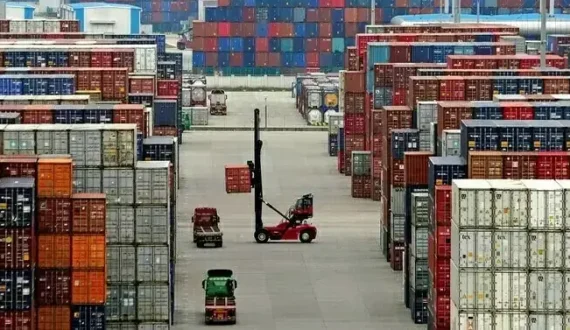
Pakistan imposes 17.70-37.30% PVC resin anti-dumping duties on US, Indonesian packaging imports
The Commission found that a surge in dumped imports led to price undercutting and suppression, resulting in declining market share, reduced profitability, and lower returns on investment for domestic producers.
-
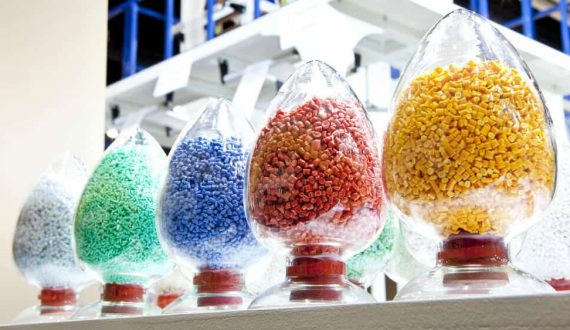
Oman’s 96 recycling facilities achieve 39% rate as single-use plastic bag ban drives circularity
The authority is also working to encourage investment in sustainable alternatives, strengthen environmental compliance, and support innovation in environmentally friendly packaging materials.
-

Alpek’s record Q2 PET margins hit US$336/ton as geopolitical turmoil drives packaging resin volatility
Young acknowledged ongoing uncertainty related to geopolitical developments, including potential disruptions in the Red Sea affecting ocean freight and carrier availability for both feedstocks and finished products.
-
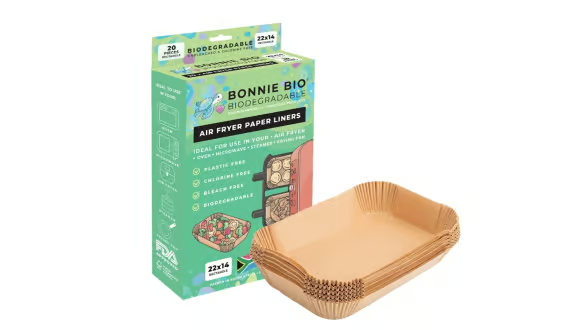
Bonnie Bio launches plastic-free oven tray liners to simplify cooking and reduce waste
South African company expands sustainable kitchen range with disposable paper liners that eliminate the need for aluminium foil and reduce cleaning time.
-
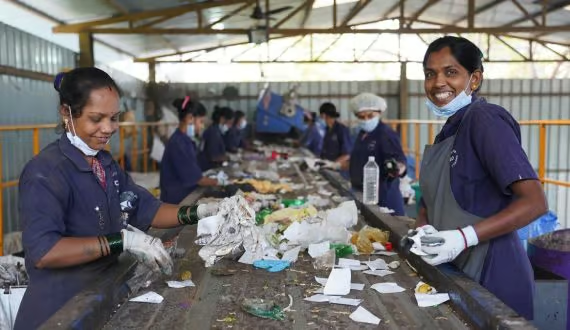
India’s 60% rigid packaging recycling mandate targets rPET, rHDPE demand growth for PIBOs
The policy is also expected to encourage improvements in material traceability through mandatory QR code or barcode labelling for plastic packaging.
-

JRC Study: EU plastic packaging rose 11% to 5.9MT while other materials declined
The JRC has also proposed harmonised waste sorting labels under the Packaging and Packaging Waste Regulation, recommending unified pictograms, colour-coded symbols and receptacles to improve consumer sorting behaviour and increase recycling rates across the bloc.
-

Scanfill’s new recycled PP packaging film meets food-contact standards with prevented ocean plastic sourcing
The material, produced with 30% post-consumer recycled PP, is sourced from plastic cups collected in coastal parts of Southeast Asia through the Prevented Ocean Plastic programme, preventing waste from entering marine environments.
-

EU’s fuel-exempt chemical recycling rules set PET packaging content calculation framework for single-use bottles
The rules aim to improve transparency in calculating chemically recycled PET, level the playing field, and secure the plastic recycling industry, which faces mounting pressures from cheap virgin plastic imports and high energy costs.
-
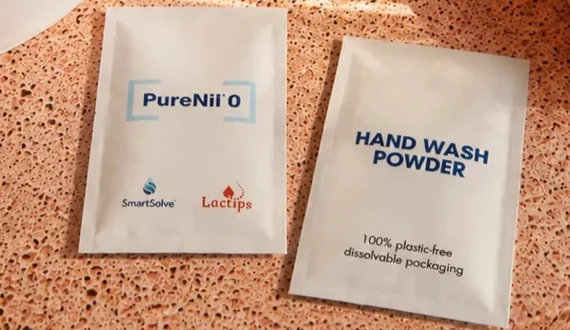
Lactips, SmartSolve launch water-soluble beauty packaging with PureNil 0 for plastic-free recycling, dispersal
The technology pairs a protein-based polymer from Lactips with PureNil 0 paper from SmartSolve to produce a flexible film that disappears in water.
-

Norner’s new PFAS screening tool targets PPWR compliance with 50 ppm organic fluorine threshold
The PPWR sets three-tier PFAS limits for food contact packaging from 12 August 2026: 25 ppb for any individual PFAS, 250 ppb for the sum of PFAS, and 50 ppm for all PFAS including polymeric PFAS.