

Nigeria’s 25-50% local rPET mandate from 2028 to drive domestic recycling, packaging reform
The requirement for locally sourced recycled PET, from certified food-grade producers, is specifically intended to grow Nigeria’s domestic collection and recycling capacity, support local recyclers and reduce dependence on imported alternatives.
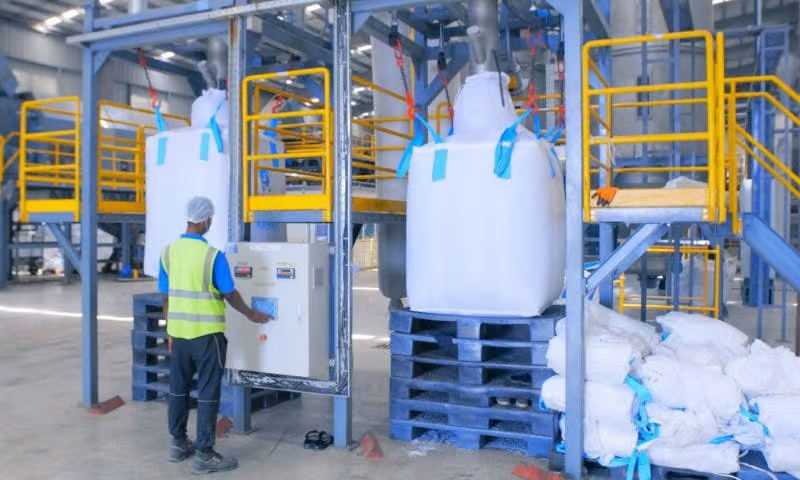
NIGERIA – Nigeria has mandated recycled PET content requirements for plastic packaging, beginning with 25% from January 2028 and increasing to 50% by January 2030, with the National Environmental Standards and Regulations Enforcement Agency confirming that recycled PET used for compliance must be sourced locally from certified domestic producers.
The National Environmental (Plastic Waste Control) Regulations, 2026, gazetted under the NESREA Act, establish a structured, phased framework for managing plastic products across the entire value chain.
NESREA Director-General Prof. Innocent Barikor clarified that the regulations are not designed to shut down industries but to reduce plastic pollution, strengthen producer accountability, stimulate recycling markets and create new economic opportunities within Nigeria’s emerging circular economy.
The requirement for locally sourced recycled PET, from certified food-grade producers, is specifically intended to grow Nigeria’s domestic collection and recycling capacity, support local recyclers and reduce dependence on imported alternatives.
How Phased rPET Timelines and Local Sourcing Provisions Support Domestic Recycling Growth
NESREA confirmed that the recycled PET content requirement will not take immediate effect, giving manufacturers, recyclers, brand owners and Producer Responsibility Organisations sufficient time to plan investments, upgrade systems, build supply chains and develop local recycled-material capacity.
The agency stressed that the regulations are guided by the internationally recognised polluter-pays principle, requiring producers to share responsibility for recovery and environmentally sound management of products they introduce to the market.
NESREA rejected claims that the regulations would encourage import dependence, maintaining that the local sourcing requirement for recycled PET aims to keep value within the Nigerian economy, support local enterprises, reduce foreign exchange pressure and promote industrial adaptation.
Why the 80-Micron Provision Does Not Constitute a Blanket Plastic Packaging Ban
NESREA dismissed concerns that the regulations impose a blanket ban on single-use plastics, explaining that the much-debated 80-micron provision under Regulation 26 applies specifically to certain plastic carrier bags made from plastic film and does not prohibit plastic packaging across food, beverage, pharmaceutical, agricultural, logistics or manufacturing sectors.
The agency stated that the regulations make clear distinctions between plastic carrier bags, other plastic packaging, PET containers, products with plastic components, recyclable materials and plastic waste management activities.
NESREA maintained that the focus is on eliminating the most problematic, low-value and difficult-to-recover plastic materials while guiding industry towards improved design, recovery, reuse, recycling and responsible end-of-life management.
The regulations also establish a Central Data Collection Platform, producer reporting systems and compliance monitoring frameworks to improve data on plastic production, recovery and environmental leakage.
Subscribe to our email newsletters that provide busy executives like you with the latest news insights and trends from Africa and the World. SUBSCRIBE HERE


Be the first to leave a comment