

FSSAI bans synthetic packaging for pan masala, mandates tin, glass, paper, plastic-free materials
The new rules will likely push pan masala makers to redesign packaging, source compliant suppliers, and overhaul production and distribution processes.
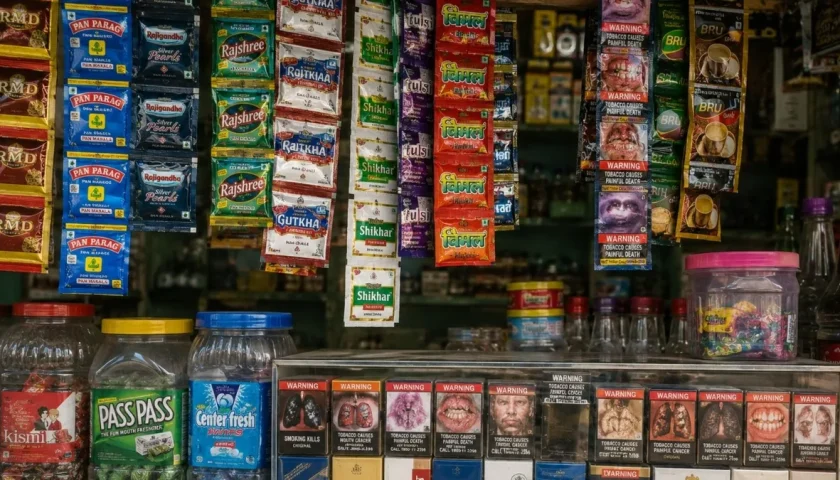
INDIA – The Food Safety and Standards Authority of India has banned plastic, synthetic and aluminium-based packaging for all pan masala products, mandating the use of tin containers, glass bottles, paper, paperboard, cellulose or other naturally derived plastic-free materials.
The amendment to the Food Safety and Standards (Packaging) Regulations, 2018, was notified on August 7, 2026, and aligns with the Plastic Waste Management Rules.
The packaging must not contain polyethylene, polypropylene, polyester, polyvinyl chloride, synthetic polymers, copolymers or laminates, nor aluminium foil or metallised layers.
Most pan masala products are currently sold in small plastic sachets.
Permitted Packaging Materials and Compliance Requirements
Under the amended rules, officials have permitted either tin or glass containers for packaging, while products can also be packaged using paper, paperboard, cellulose or other naturally derived materials, provided they are completely plastic-free.
The amendment follows a draft notification issued on April 28, 2026, which had invited suggestions and concerns from stakeholders, including industry representatives.
The draft was part of the food authority’s efforts to promote safe, sustainable and eco-friendly packaging practices across the food sector, while taking into account industry requirements and technological feasibility.
The use of paper and paperboard packaging for pan masala would need to incorporate appropriate barrier properties to maintain product freshness and prevent moisture ingress, as the product typically contains ingredients that can lose flavour or become stale when exposed to air and humidity.
Impact on Manufacturers and Industry Response
The new rules are expected to push pan masala manufacturers to redesign packaging, identify compliant suppliers and review production and distribution processes.
The shift could also affect manufacturing, transportation and packaging costs, leading to companies assessing packages and testing new formats in compliance with the rules.
The ban on plastic sachets represents a significant shift for the pan masala industry, which has traditionally relied on lightweight, low-cost plastic packaging for single-use portions.
Manufacturers will need to transition to alternative materials that maintain product freshness and shelf life while complying with the new regulations.
The transition period will be critical as companies work to source compliant packaging materials and adapt their production lines to handle tin, glass and paper-based packaging formats that may require different handling, filling and sealing processes.
Subscribe to our email newsletters that provide busy executives like you with the latest news insights and trends from Africa and the World. SUBSCRIBE HERE


Be the first to leave a comment