

Jordan’s E-waste recycling infrastructure expands with 8 factories, 34 collection centers
Jordan’s advanced legislative framework is anchored by the Environmental Protection Law of 2017, the Waste Management Framework Law of 2020, and the Hazardous Waste Management Regulation of 2020.
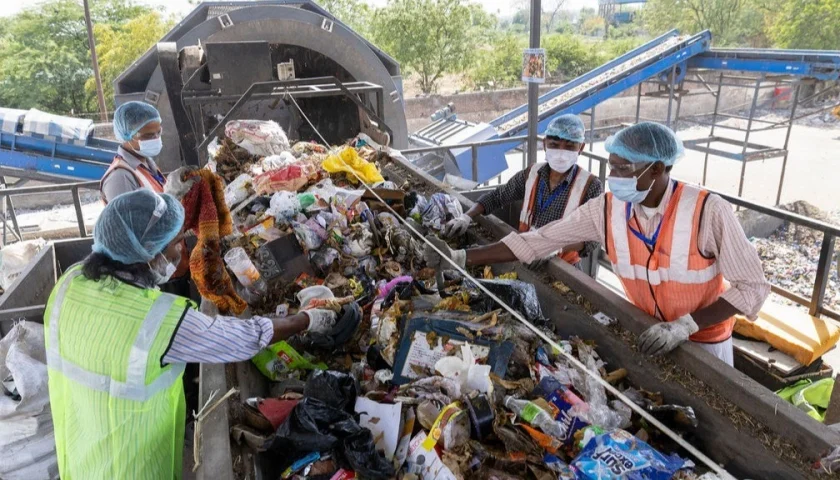
JORDAN – Jordan has expanded its e-waste recycling infrastructure by licensing eight specialized factories and 34 collection centers nationwide, as the government implements strict import bans and develops a lifecycle tracking system for electric vehicle batteries to harness circular economy opportunities.
The Ministry of Environment has also established nine designated e-waste collection sites across Amman, Irbid, Zarqa and Aqaba, alongside launching Jordan’s first “recycling bank” facility on a 3,000-square-meter plot in Amman’s Tla’ Al-Ali district.
The Ministry has also licensed 183 waste management facilities, including battery recycling, oil recycling and tire repurposing plants, as part of the Kingdom’s broader circular economy strategy.
An electric vehicle battery recycling project at the German Jordanian University has commenced operations with an annual processing capacity of 6,000 tonnes, while a dedicated warehouse at the hazardous waste treatment center has been equipped with specialized testing devices to analyze toxic materials in incoming electronic waste.
Import Bans and Lifecycle Tracking Systems Target EV Battery Waste
Mahmoud Al-Zaboun, Acting Director of the Hazardous Waste Directorate, stated that the ministry has banned the import of used electrical and electronic equipment, used batteries for electric and hybrid vehicles, and mercury-containing lighting units, effective from the beginning of 2026.
The German Jordanian University is collaborating with the ministry, the Jordan Customs Department, the Jordan Standards and Metrology Organization, and the Public Security Directorate to develop a tracking system for electric and hybrid vehicle batteries throughout their lifecycle.
A joint study also proposes establishing an accredited laboratory to test the efficiency and safety of electric and hybrid vehicle batteries to support technical and regulatory oversight of the sector.
Three specialized companies have been licensed to collect and export used electric and hybrid vehicle batteries.
Regulatory Framework and Job Creation Drive Circular Economy Transition
The National Center for Environmental Justice has warned that global e-waste is projected to reach 82 million tonnes by 2030, driven by rising consumption and shorter product lifespans.
Jordan’s advanced legislative framework is anchored by the Environmental Protection Law of 2017, the Waste Management Framework Law of 2020, and the Hazardous Waste Management Regulation of 2020.
Nidal Al Ouran, Commissioner for Environment and Public Safety at the Aqaba Special Economic Zone Authority, emphasized that sustainable e-waste projects protect public health while driving economic growth by creating new jobs and attracting green investments.
Subscribe to our email newsletters that provide busy executives like you with the latest news insights and trends from Africa and the World. SUBSCRIBE HERE

Be the first to leave a comment