

Waste Management
-

Morocco’s US$1.5B Casablanca WtE plant to process 1.5MT of waste
The city needs regulations mandating separation of reusables before incineration, to keep recycling from being undermined when operators rely on waste volume to run plants.
-

Polyco launches women-owned Packa-Ching recycling unit as network surpasses US$3M in community payouts
The new Benoni unit expands the Packa-Ching network, offering residents paid recycling services while advancing sustainability and community empowerment.
-

Greyparrot secures US$27M for AI waste tech after detecting 1T objects across 20 countries
The firm’s technology also helps MRFs, waste managers, and regulators spot contamination trends and boost sorting efficiency across the recycling chain.
-

Neveah’s triple ISO certification boosts Nigerian recycling, manufacturing operations
These certifications serve as official proof that the business meets international quality, safety, and efficiency standards, boosting credibility with customers, financial institutions, development partners, regulators, and other global stakeholders.
-
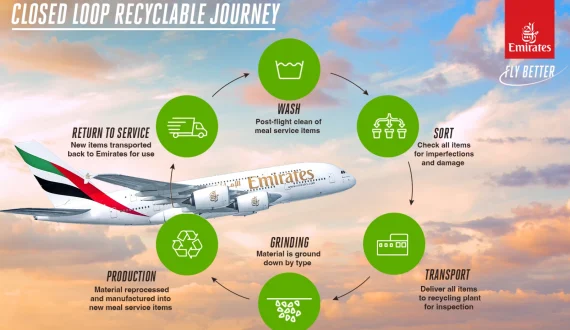
Emirates’ new closed-loop recycling, upcycling programs turn aircraft waste into new meal trays, student-designed products
The deSter partnership enables large-scale UAE recycling, lowering carbon footprint by avoiding international transport of recyclable materials.
-

July 2026: Mandates, Mergers and Millions Reshape MEA Packaging, The Month Sustainability Got Real
Across the Middle East and Africa, the packaging industry moved from ambition to action with a velocity that caught even seasoned observers off guard, policy…
-
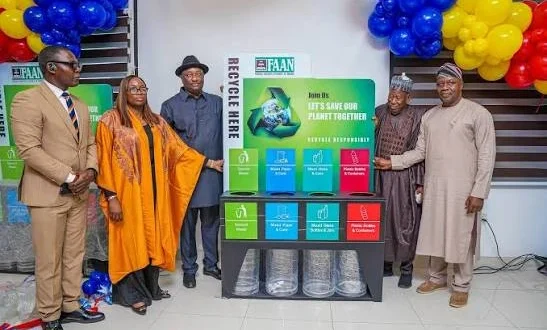
FAAN’s waste recycling programme targets 1,383T of airport waste with three-phase circular economy plan
FAAN’s recycling programme, part of its ACI-accredited Carbon Management Plan, represents a major move toward net-zero carbon emissions.
-
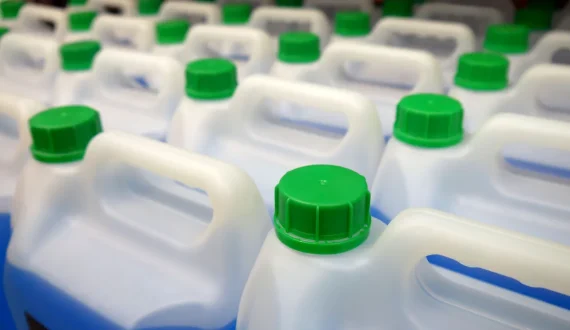
NAW sues Colorado over ‘secret’ CAA recycling fees, citing 14th Amendment violations
The dispute centers on Colorado’s use of the D.C.–based Circular Action Alliance to impose packaging charges on glass, aluminium, paper, cardboard, and plastic.
-
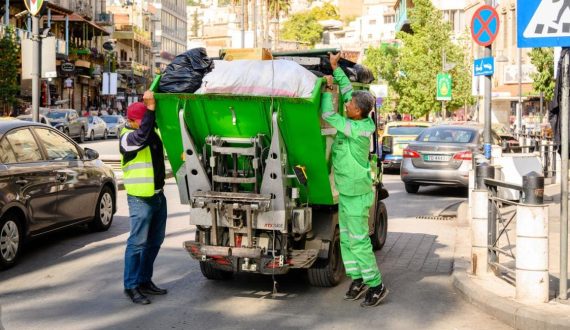
Jordan’s Environment Ministry signs recycling, packaging agreements with Al Ameed Coffee, Islamic Scientific College Alumni Club
The partnership includes implementing joint awareness campaigns, distributing reusable cloth and vehicle bags, installing recycling bins at the company’s branches, printing environmental messages on packaging materials, and using QR codes to provide educational environmental content to consumers.
-

Oman’s 96 recycling facilities achieve 39% rate as single-use plastic bag ban drives circularity
The authority is also working to encourage investment in sustainable alternatives, strengthen environmental compliance, and support innovation in environmentally friendly packaging materials.