

Waste Management
-
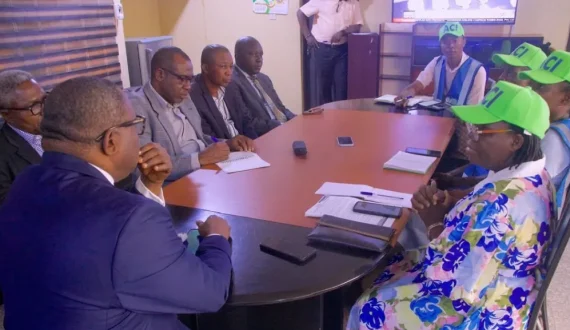
Ondo State partners with African Cleanup initiative on waste recycling, sanitation compliance
ACI plans to officially launch full-scale operations in September 2026 with environmental education campaigns in schools, advocacy visits, community cleanup exercises and recycling programmes across the state’s 18 local government areas.
-
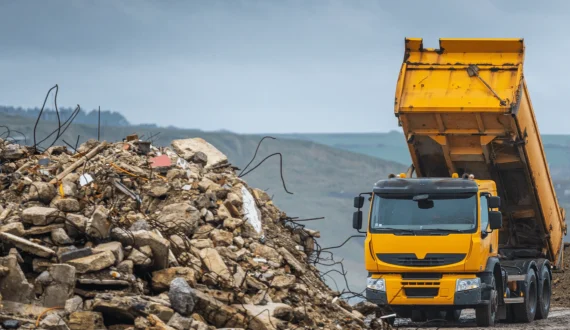
Ashghal’s record 63% construction recycling rate diverts 5.57MT in Qatar’s circular economy push
The achievements reinforce Qatar’s position as a regional leader in sustainable infrastructure while supporting long-term economic diversification and environmental stewardship.
-

Kenya’s Zuripacks converts banana waste into biodegradable packaging
Nairobi startup transforms discarded banana pseudostems into tree-free packaging, creating new income for farmers while tackling plastic pollution.
-
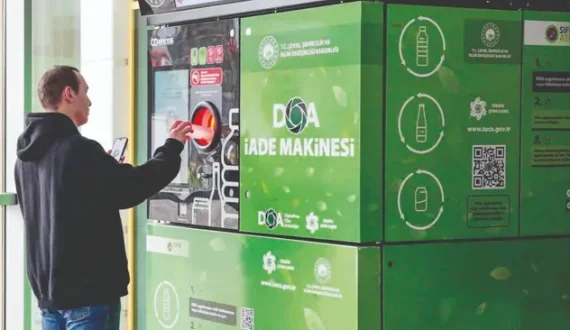
Türkiye’s DOA deposit recycling scheme returns 7.6M containers in five days, aims for 25B yearly
Interest in the initiative has led to long queues forming at deposit return machines in Istanbul and several other provinces as people brought bags of used plastic bottles, glass bottles and aluminum cans to be processed one by one.
-
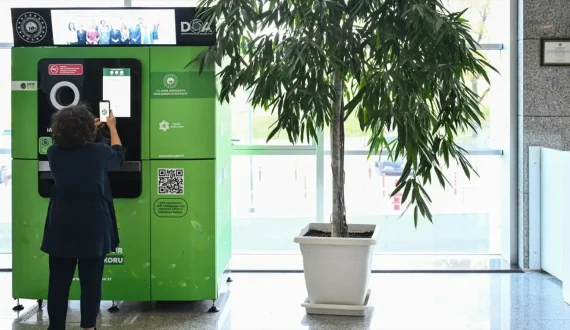
Türkiye’s new DOA deposit system targets 25B annual recyclable containers with refund
Refunds are deposited directly into users’ digital wallets via the DOA mobile app, from which funds can be transferred to bank accounts, withdrawn from ATMs, or used for purchases at participating retailers.
-
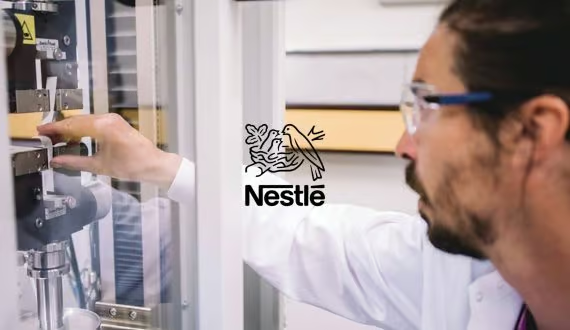
Nestlé, Interzero, 16 partners target 15% EU flexible plastic recycling rate with InFACT project
The project aligns with tightening EU Packaging and Packaging Waste Regulation requirements for recyclability and recycled content, which are driving significant innovation across the packaging sector.
-
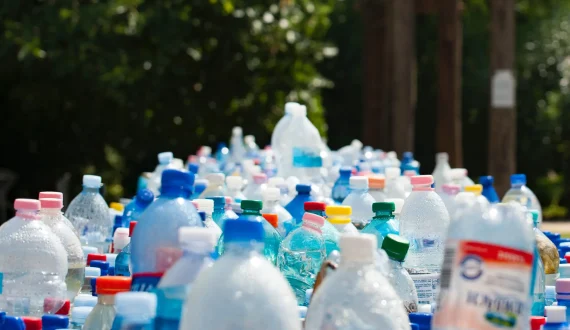
California’s US$10M bottle deposit grant expands CRV redemption sites with mobile, bag-drop services
The investment builds on California’s broader sustainability agenda including SB 54, which establishes an EPR program for packaging and single-use plastic foodservice ware set to take effect on 1 January 2027.
-
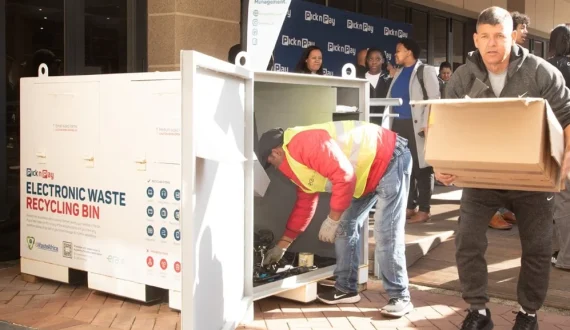
Pick n Pay, EWaste Africa recycling partnership deploys 95 in-store drop-off points in South Africa
Consumers can deposit unwanted devices into specialized containers with no prior booking, handling fees, or paperwork required.
-
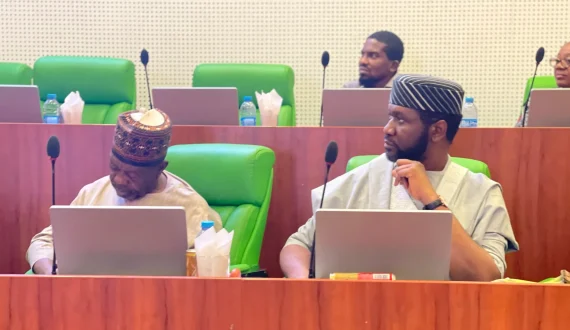
MAN opposes NESREA’s 80-micron single-use plastic ban over job, investment risks
MAN cited international experience, noting that Kenya’s 2017 ban on thin plastic bags led to factory closures and job losses, yet banned bags continue to circulate through smuggling and cross-border trade.
-

Qatar produced over 3M tonnes of recycled materials from 51 recycling facilities – Ministry of Municipality’s 2025 Annual Report
These plants process a wide range of materials, including construction and demolition waste, plastics, metals, paper, tyres, and other recyclable products.