

Recycling
-

PAKPRO, Kenya scouts launch recycling programme in schools
A quarterly paper and carton take-back programme is part of the initiative, targeting school-generated items like exercise books, exam papers, and packaging.
-

TotalEnergies takes full ownership of French chemical recycling facility
As chemical recycling projects across Europe grapple with scalability, energy intensity, and cost competitiveness versus virgin polymers, the ownership change arrives.
-

WAPAN, RAN sign pact to strengthen Nigeria’s recycling sector
The partnership promotes waste-picker, aggregator, and recycler coordination, enhancing data, traceability, recovery verification, and engagement with government and industry.
-
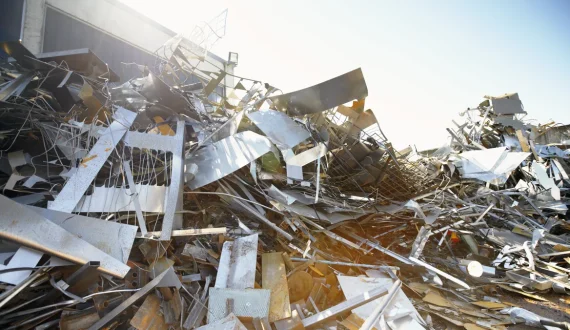
European Commission delays aluminium scrap export measures amid policy shift
The revised rules would restrict waste exports, including aluminium scrap, to non-OECD nations, exempting some EU candidates, and take effect in 2027.
-
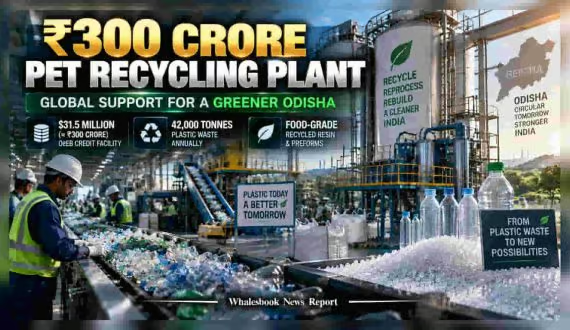
Greenwave Circularity secures US$31.5M for Odisha PET recycling plant
Built on a closed-loop model returning used bottles to raw material, the Odisha plant will produce food-grade resin and preforms, addressing India’s shortfall in food-contact-compliant recycled PET.
-
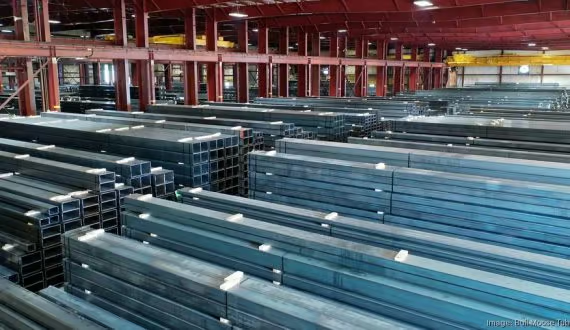
Bull Moose acquires Hanna Steel, expanding recycled-content tube footprint to 9 plants
By extending recycled-content capability across Hanna’s operations, the acquisition supports growing demand for lower-carbon steel tubes in packaging machinery and industry.
-
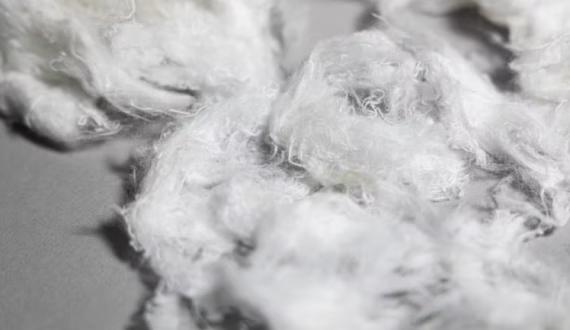
Zalando brings 80,000T textile recycling to private label with 20% next-gen cotton
The initiative shows textile-to-textile recycling can scale from trials to commercial production, offering a blueprint for brands to adopt next-generation fibres.
-
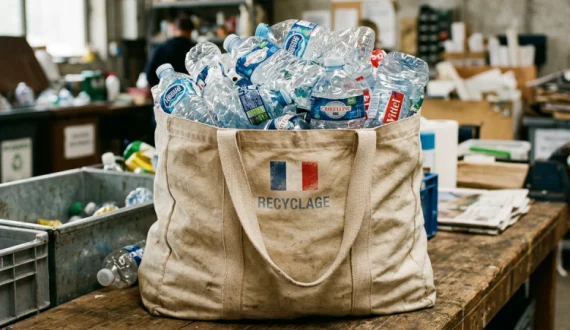
France drops mandatory bottle deposit, opts for voluntary local schemes amid 58% collection gap
The Ministry of Ecological Transition’s 4 September decision follows strong local opposition—authorities argued a mandatory system would divert valuable PET and aluminium from municipal recycling, undercutting sorting infrastructure investments.
-
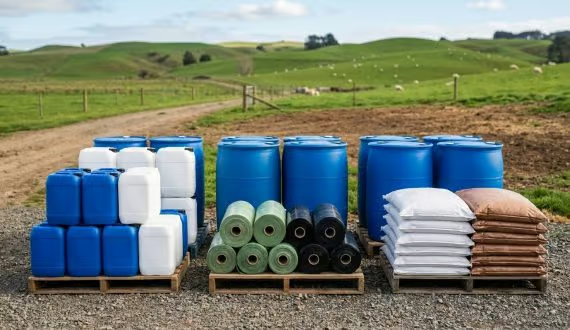
New Zealand’s March 2027 farm plastic recycling scheme to cover 240 sites
The rules apply to producers of agrichemicals in plastic packaging (≤1,000L), bale wrap, silage sheet, 16–40kg plastic bags, and woven PP bags over 40kg.
-

Saudi Petromin’s Egypt expansion to enhance lubricant packaging, blending infrastructure
Aiming to raise local lubricant output and broaden production/packaging/marketing, the new company, run by Technolube Egypt, leverages Petromin’s 1960s-era Egypt track record.